OK, this is going to be a novel.
I'm going to answer your questions in reverse order, because the first question is going to take the longest.
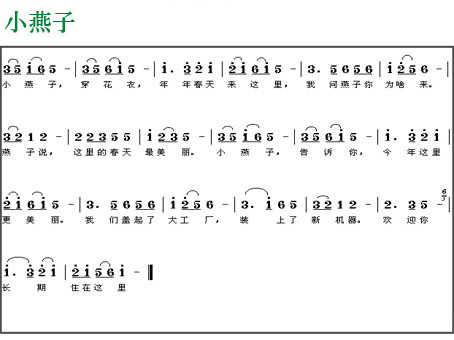
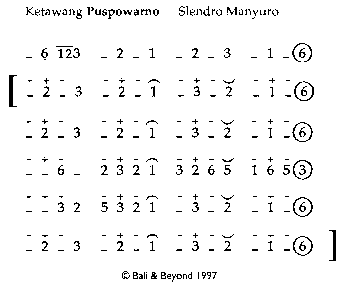
Yes, music notation varied wildly from place to place. Even now, Chinese Music Notation lookes very different from Javanese Gamelan notation, which looks different from Indian Music Notation and so on. Western music notation has replaced a lot of more traditional forms, but many still exist and are in use today, particularly in folk music forms. One of the coolest music notation forms, in my opinion, is a form used on Great Highland Bagpipes (the instrument colloquially known as Bagpipes, but that's its full name to differentiate it from other forms of bagpipes, of which there are many). The form is known as Piobaireachd Canntaireachd and is a form of music that is written in text, where each syllable means a note or ornament, so the form can be written as normal text, and can be sung or played. Here's an example of someone singing and playing an piece. In text it would look something like this (not that particular song, but just an example of the form):
Hienodro hiemotro, hienodro dare edre, hienodro hiemotro, hiendre odrorode, (repeat) Hiendare cherede, hienotro hihorodo, hiendare cherede, hienedre odrorode, Hiendare cherede, hienotro hihorodo, hienodro hiemotro, hiendre odrorode.
There are lots more regional examples, but you get the idea of yes, it varied greatly from place to place, and still does.
As for how they wrote it before, it's essentially the same answer. Lots of ways and lots of systems, some of which survive, and some didn't. We have many examples of ancient music notation, but rarely, if ever, have any idea what exactly the notation meant.
As for how western music notation came to be written as it is, I'll take you through an abridged history.
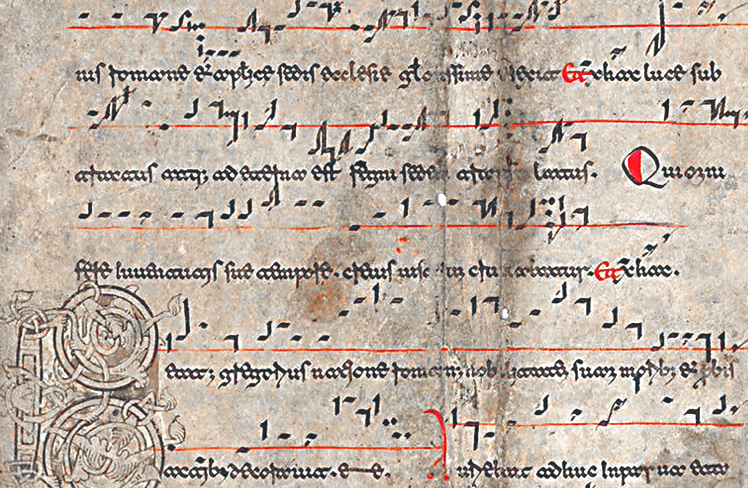
In the middle ages, you saw a lot of plainchant (colloquially referred to as Gregorian chant, although there were many forms other than Gregorian that are lumped into that name). The very first form of notation started with writing a note letter, say "G", and then a line next to it. The line meant that any note on the line was G, if it was on the space above it was A, slightly above that was B, and so on.
So music notation was: G _________________________
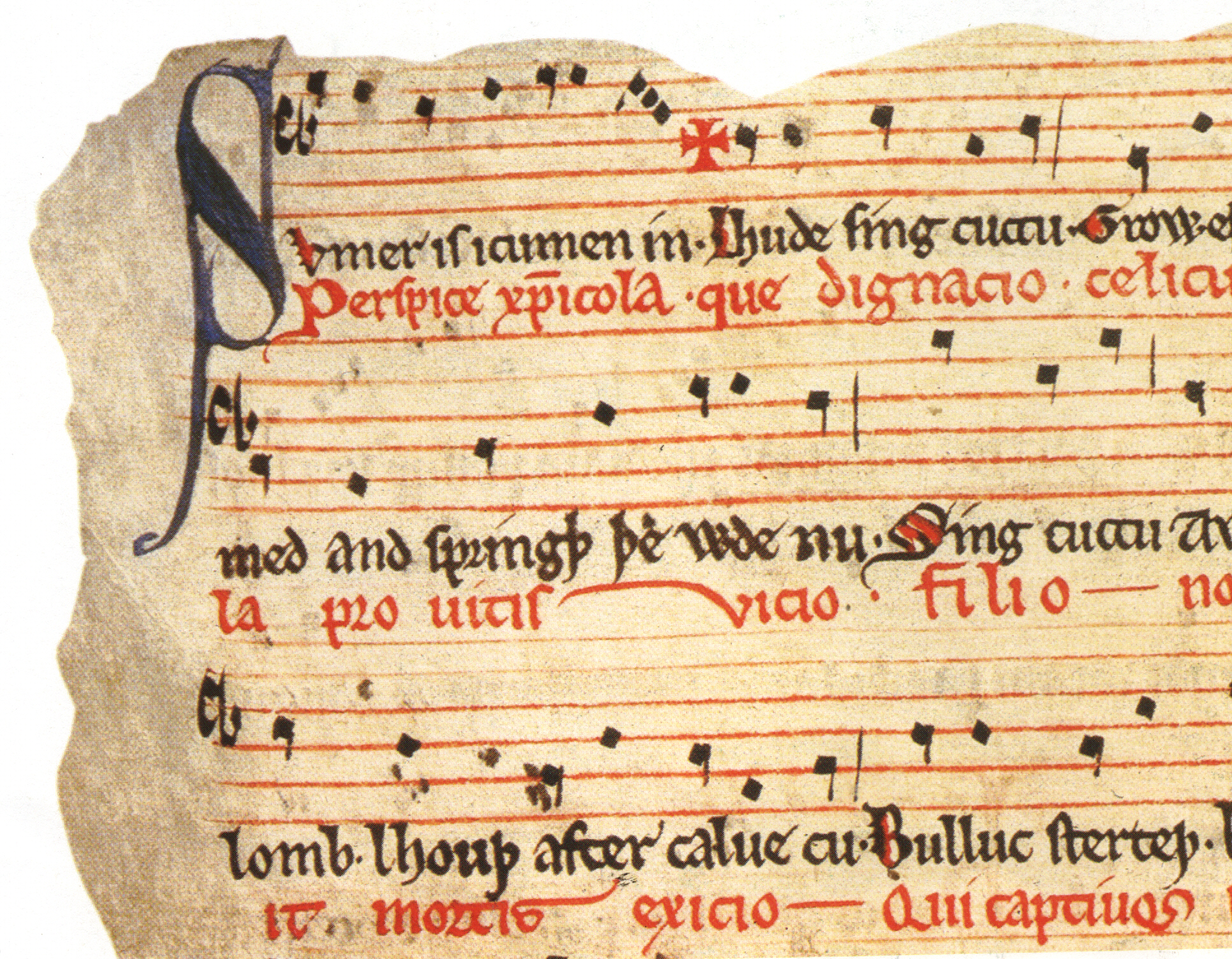
Here's an example from the time period.
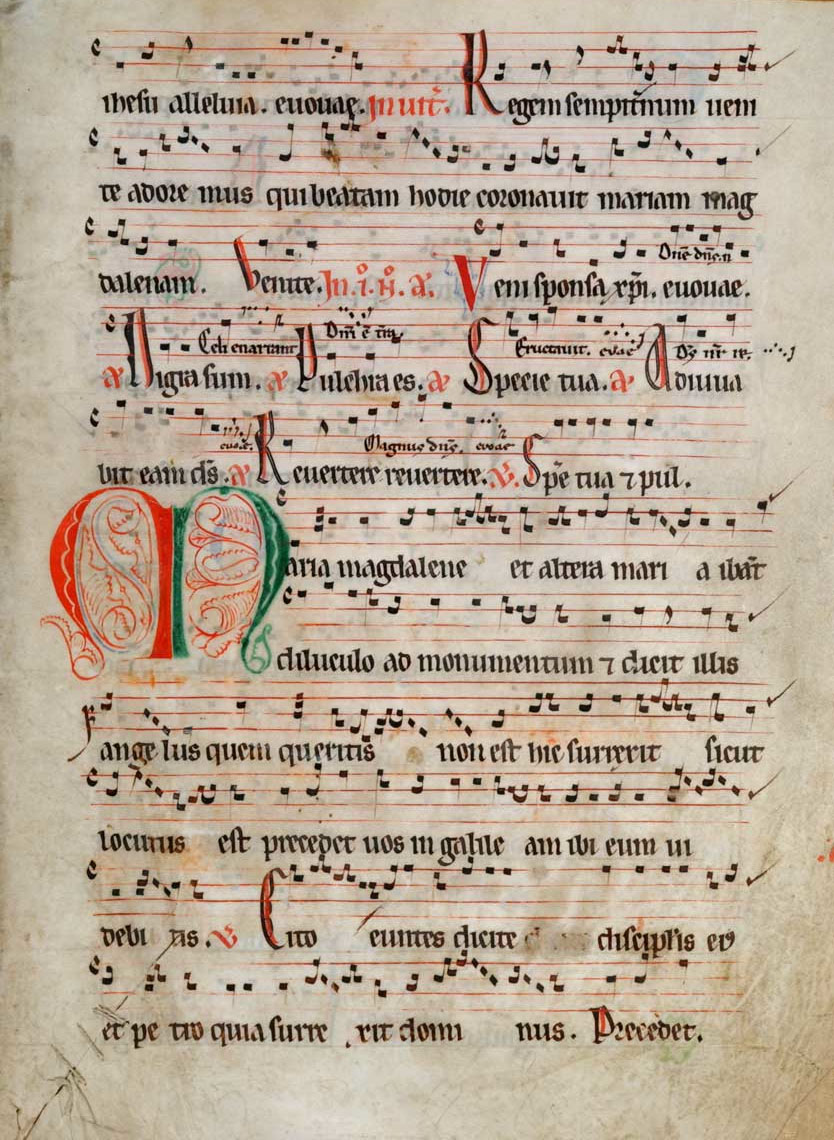
Now, one line was definitely an improvement over nothing, but if you deviated too far from the line, it was somewhat of guesswork as to what note you were on, so more lines were added, still writing a note on a line.
Here you see an example of 4-line music notation, with "C" written clearly on the second line. There was also 6-line music notation, and sometimes even more, but too many lines caused the same problems as too few, and eventually 5 became the convention, and by the Renaissance, most music manuscripts had 5-line staves with the note still written on the line.
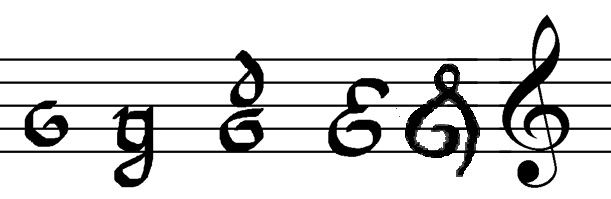
Over time, these Cs and Fs and Gs became more and more stylized, until they did not resemble their original letters at all, and became clefs. The Evolution of the treble clef shows how a simple letter G, eventually became the treble clef, which still wraps around the G line on the staff. F became the bass clef, and C became alto/tenor clef, and is still known as a "Moveable C clef" because you can move it around so the middle of the clef = Middle C, no matter where you put it.
As for the rest of the symbols, things have been added and removed by convention or technology since the middle ages. Everything from bowing, to dynamics, to tempo has been added over time, to include very odd, and often insanely specific instructions to the musician.
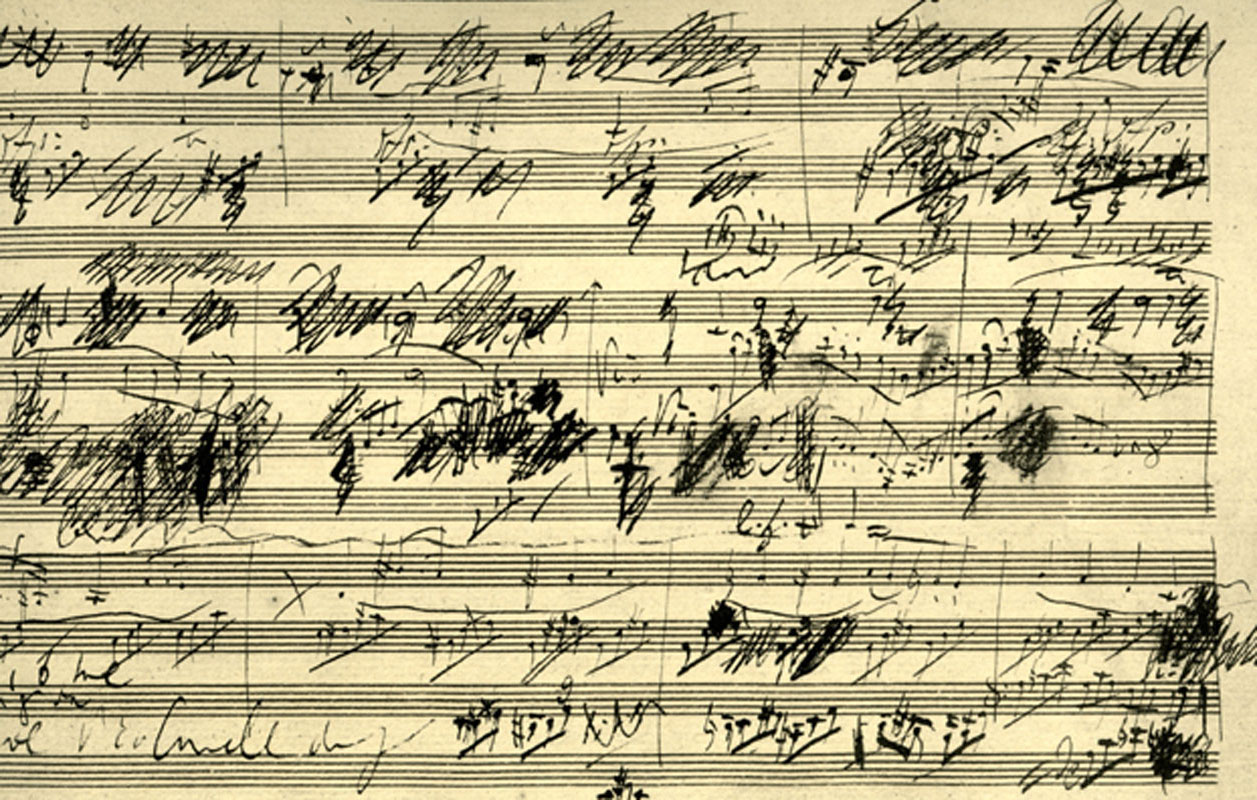
But as for when it settled down, in the Baroque era there were very few changes being made to notation, and you could, for example, take a handwritten Bach Manuscript and hand it to a modern player, and they would be able to read and interpret it correctly. That does rely on penmanship, however, because Beethoven manuscripts look like they were written by a crazed meth addict with a gun to his head.