How did they know? Did they make sure it was actually Japanese forces attacking them before going to war with them?
I’m going to divide my answer into two parts. The first will focus on the men on the ground, and how long it took them to realize they were being attacked by the Japanese. The second will focus on the political figures and broader picture, mainly, how long did it take to realize who was attacking.
Part 1
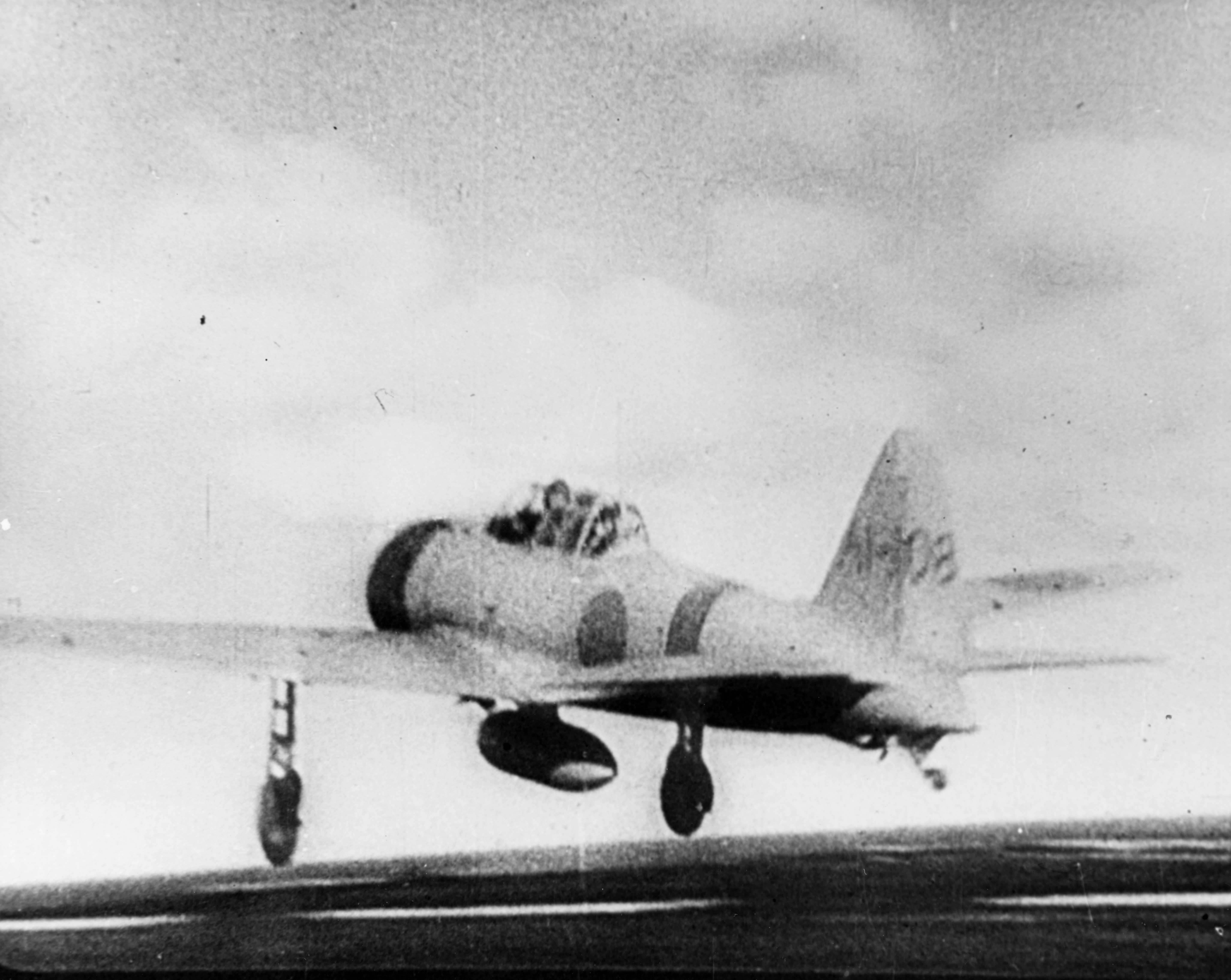
For the most part, many of the men during the attack quickly figured the Japanese were responsible. Eye witness accounts report that many were quickly alerted to the reality of the situation at Pearl Harbor. Senior officer on deck Furlong aboard the mine sweeper Oglala was one of the first to witness the Japanese attack. After seeing a plane drop its bomb, Furlong thought the pilot was careless for failing to secure the releasing gear, not realizing that the plane was Japanese. After the explosion, Furlong saw the red sun on the plane’s wing and immediately reacted by calling battle stations remarking, “Japanese! Man your stations.” ^1 Men were sleepily thrown out of their morning routines and took longer to understand the gravity of the situation. Many were at Sunday service during the attack.^2 Some, like Lieutenant Ruff, first mistook the Japanese planes as American pilots who “have gone wild”. ^3
Others were bedazzled and in awe of the audacity and sheer spectacle of the attack, yet they understood who was behind the onslaught. Admiral Husband Kimmel (commander of the Pacific Fleet) was in a briefing when a yeoman interrupted the meeting, claiming the Japanese were attacking. Kimmel and his aids rushed outside and gaped at the planes bombing and strafing battleship row. They too recognized the rising sun insignia on the planes’ wings and remained temporarily transfixed by the scene ^3. Unlike Kimmel who stood in awe of the attack, men on Ford Island quickly came to the conclusion that the Japanese were attacking Pearl Harbor. Commander Logan Ramsey saw a bomb drop from a Japanese plane, heard the explosion, and ordered the radiomen in his command center to send out this message, “AIR RAID, PEARL HARBOR. THIS IS NOT A DRILL.”^4 This message occurred at 0758 (7:58 a.m.), approximately 8 minutes after Captain Fuchida (commander of the first wave of Japanese) signaled his planes to attack. ^5
It should be noted that Battleship Row and Ford Island was not the first place to be attacked. A Patrol Wing of PBY Catalinas were stationed at the other end of Oahu at Kaneohe Bay. At 0748 (7:48 a.m.), Japanese planes commenced their attack on the small base. When the men at Kaneohe tried to send alerts and warnings to nearby Bellows Field and Hickam Airfield, they failed to convince their peers that an attack was taking place, due to the fact the men at those stations thought it was a practical joke. ^6
**With all this in mind, one can make the conclusion that it took the majority of the men at Pearl Harbor only a few minutes to realize who was responsible for the attack, mainly due to witnessing Japanese insignia on the planes as well as receiving warnings from Kaneohe and Ford Island ** (ignoring previous air radar and submarine events earlier in the morning).
Part 2
The political and military leaders of the United States were quickly aware of the nation who had attacked Pearl Harbor. Despite warnings and hints of possible attack from the Japanese, Roosevelt and many military leaders were incapable of knowing about the attack beforehand because of the inadequate strategic and tactical intelligence.^7 When it did occur, there was little doubt who committed the act. Secretary of the Navy Frank Knox (who had received transmissions from Pearl Harbor) quickly alerted Franklin Roosevelt of the attack. By 2:22 p.m. (8:22 a.m. at Pearl Harbor), Roosevelt and his staff prepared to make a statement to the public that the Japanese had attacked Pearl Harbor. ^8 It should be noted that these events took place in between the first and second Japanese attack waves. Several hours later, Winston Churchill was alerted about the attack. In his record of WWII, Winston relates the event,
”I turned on my small wireless set shortly after the nine o’clock news had started. There were a number of items about the fighting on the Russian front and on the British front in Libya, at the end of which some few sentences were spoken regarding an attack by the Japanese on American shipping at Hawaii and also Japanese attacks on British vessels in the Dutch East Indies……..I got up from the table and walked through the hall to the office, which was always at work. I asked for a call to the President. The Ambassador followed me out, and, imagining I was about to take some irrevocable step, said, ‘Don’t you think you’d better get confirmation first?’ In two or three minutes, Mr. Roosevelt came through. ‘Mr. President, what’s this about Japan?’ ‘It’s quite true,’ he replied. ‘They have attacked us at Pearl Harbour. We are all in the same boat now.’” ^9
So, in conclusion, one can argue military and political leaders knew the Japanese were responsible for the attack on Pearl Harbor only a few minutes (FDR) or hours (Churchill) after the bombs had been dropped.
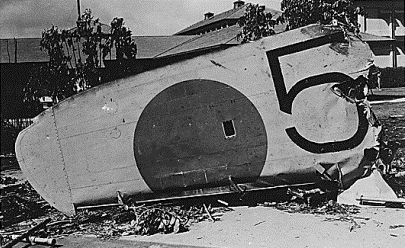
They knew it was the Japanese pretty much as the attack occurred. The attacking planes did have the red circle of the hinomaru, colloquially known as the "meatball", emblazoned upon them.
"But that doesn't prove anything, anybody can slap some paint on the side of an airplane," you say. This is true. However, more than a few airplanes shot down during the raid crashed in easily accessible locations... the courtyard of a hospital, for example. Their pilots and crew were clearly Japanese.
"They could have been willing participants in a nefarious plot!" The other attacks against Midway Island, Wake Island, Guam and the Philippines on December 7th, 1941 make this very unlikely, or a very large plot indeed... one we have no evidence of.
Then, of course, there was the Note presented in Washington DC which announced a breaking off of negotiations between Japan and the US.
So, yes, it was known, it was known very quickly, and it was confirmed.
Followup question: Would anybody have reasonably believed any other power could mount a raid of that scale on a US base in the Pacific? If so, what power?