Would most books be cheap enough for an average person to purchase? Was the average person literate enough to read books? Or were they still restricted to the upper classes until after the industrial revolution?
Answering in a European context.
Price
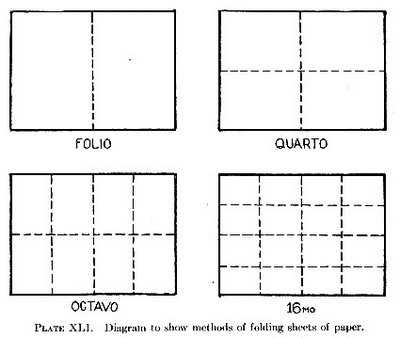
Books were not cheap in this period and paper was about half the cost of the production of a book. Printers would combat the cost of a print by simply printing smaller pages; Folio, Quarto, Octavo etc and they would typically be sold unbound. However, there were lending libraries and their records are great sources as it gives us an indication as who read what - the British Library opened in 1753. Due to a lack of inventory data for poorer households it is difficult to accurately determine how much access the average person would have to books. It is likely, in Europe, most households would have a bible as they were printed on tiny sheets to make them cheap and accessible enough. In reading clubs and libraries books were purchased by committee so the average person may have had shared access to books rather than individually purchasing them.
Literacy
In considering literacy we must forget our modern understanding of it as in this period reading and writing were not taught together so someone who could read might not necessarily be able to write. In urban areas literacy rates were quite high as it was more necessary than in rural areas. Women were included in this as they were taught to read the Bible to raise their children as Christians yet were less likely to be able to write. In school the style of teaching was more memorisation of religious texts rather than actual reading or writing skills. Simply, the point of this was religious indoctrination and controlling what literature people had access to.
That being said upper class households were more likely to own books as they were status symbols especially larger texts bound in expensive materials. The Encyclopedie was a very large but also politically subversive text that only the upper classes would have had access to - its a fascinating text.
The most interesting times to measure this is during periods of political unrest where printing would increase dramatically and things were printed cheaply as possible in illegal printing presses and on pamphlet style booklets intended for mass distribution. Propaganda often disguised itself as fiction to slip through censorship nets. In France during this period there is a lot of interesting research on illegal literature in the run up to the French Revolution and one of the challenges of this area is trying to answer these questions. A good place to start would be Robert Darnton's book - he is basically the daddy of book historians.