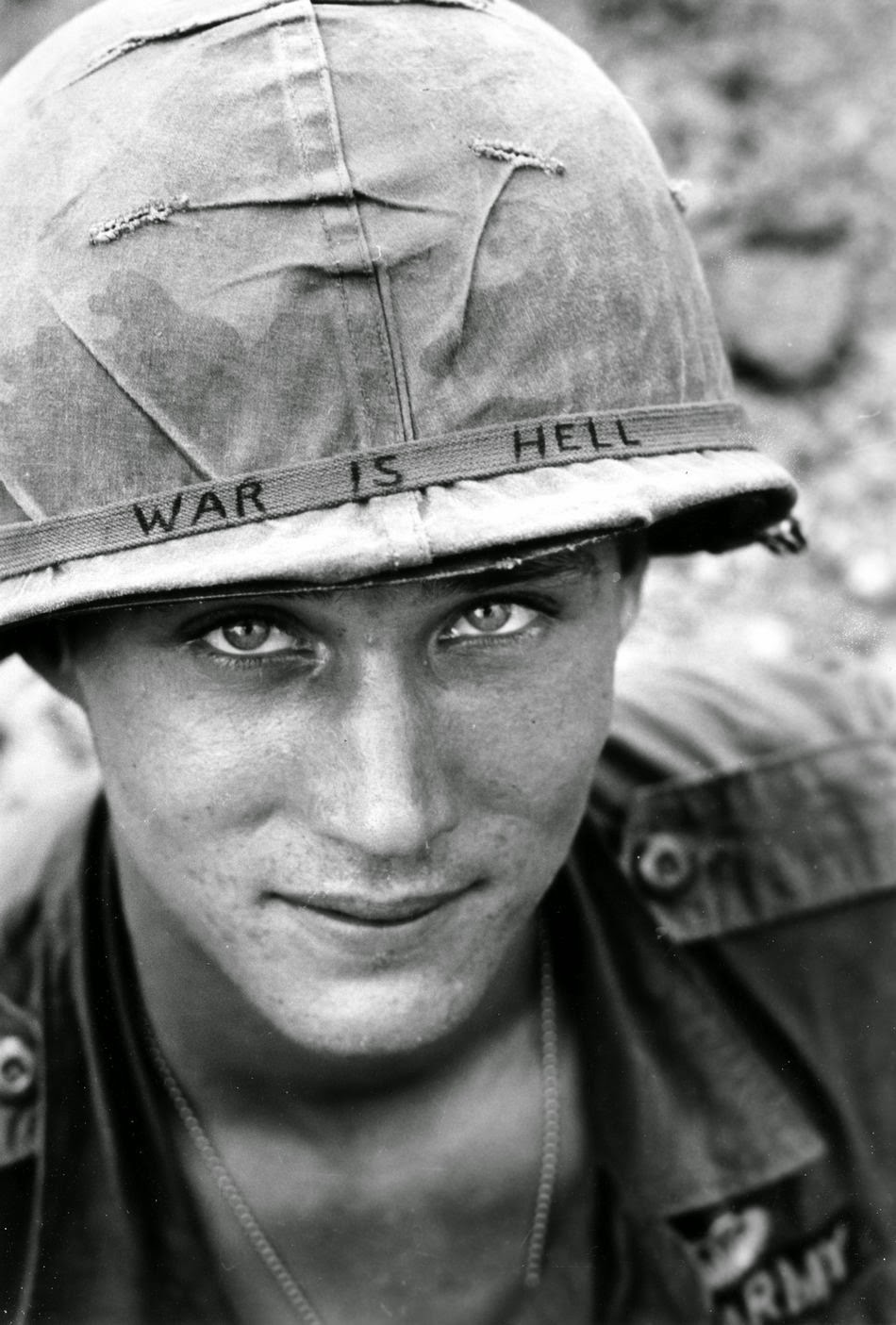
Many modern soldiers personalize their equipment with phrases of endearment/intimidation (Two examples, the Famous War is hell and Happy Easter Hitler). Whenever I see images of medieval or older armor it usually looks like this. While I doubt it would be this clean and pristine, I have never seen any writing, drawings, or other personalized markers on pre-modern armor.
Is this a modern pronominal? Did legionaries or knights ever decorate their armor with symbols or words to intimidate their enemies or personalize their armor? Would men operating a trebuchet or catapult ever write on their projectiles? How about archers? How common was it for soldiers to do any of the above?
/u/waritter effective summarized what is known about medieval armor decoration here. In addition, not every medieval soldier would have worn metal armor and some wore tabards or other forms of cloth coverings over their armor. Regular soldiers may have worn padded jackets or tunics. All of these fabrics could have been dyed or decorated according to regional, unit, or personal affiliations/preference. One common uniform addition, which appears both during the Crusades and in more secular conflicts, was a cross sewn onto a tunic or coat. English soldiers sewed the Cross of St. George onto their clothes to signify that they were all part of the same army during the late medieval period. Aristocrats would of course have their personal colors and coats of arms, which would decorate their banners, tabards, and shields. Common soldiers, who were often just as prideful as their aristocratic leaders, might wear the colors of their city, guild, or region. Unfortunately, the nature of archaeology and surviving literary sources means that we do not have evidence that would tell us just how common armor decorations were on the medieval battlefield. But enough evidence does exist that we can safely conclude that the practice was far from unheard of.
This doesn’t apply to your question about body armor per se, but historian Marc van Hasselt, commenting on the inscribed River Witham sword, says “Inscribed swords were all the rage in Europe around the year 1200.” Warriors not only named their swords, but they also had them blessed in formal religious rituals, and inscribed them with prayers (“Jesus and Mary,” “Hail, Mary full of grace,” “God is the conqueror of all. Amen”). One late 13th-century has the inscription “Amor vincit omnia” on it: Love conquers all. (For these examples see William Chester Jordan’s 2009 lecture “Crusader Prologues: Preparing for War in the Gothic Age.”) Likewise, the 8th-century Coppergate helmet has a protective Christian prayer written in Latin on decorative brass bands. You can read van Hasselt’s in-depth analysis of the use of Christian charms and prayers inscribed on swords here.
People have already talked about armour but projectiles were customized too.
Sling 'bullets' sometimes had cheeky messages like 'catch' or 'ouch', individual names or city/village names, or just decorative illustrations. In these examples, left has a thunderbolt on it, right says 'take this'.
Earlier Japanese warfare greatly emphasized individual archery duels and renown. So people could claim kills, arrows would have names written on them. But maybe this is a bit functional while you're more interested in decoration.
Arrows could be quite colourful, like these Indian (Mughal) and Turkish arrows. This is probably more common in the East where archery tends to be more popular in general, by which I mean it wasn't a cheap, poor man's weapon as it usually was for the English. So their equipment could be more luxuriously decorated.