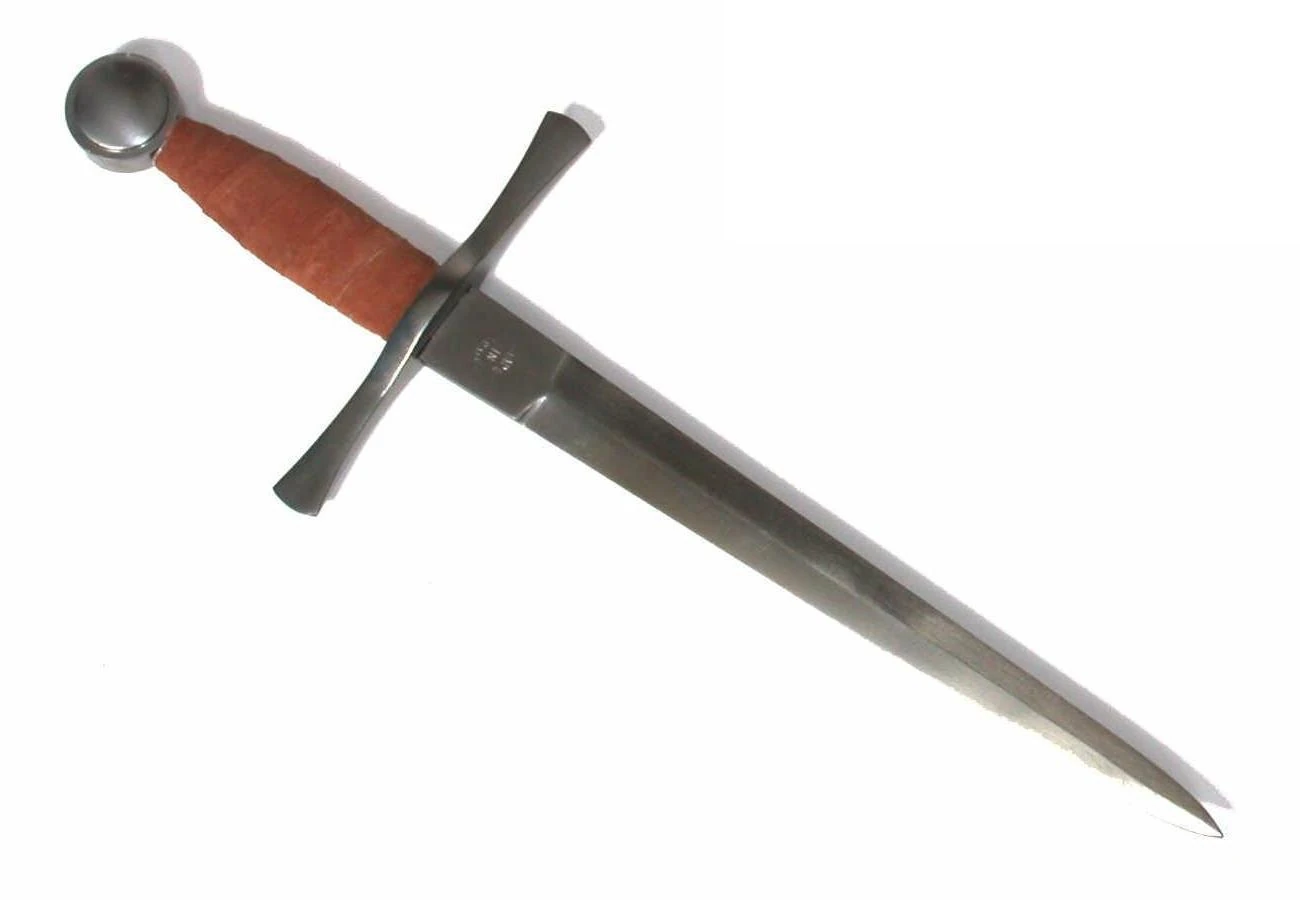
I've noticed a lot of old knives (like in the Early Modern Era for example) have straight blades like this, this, or this..
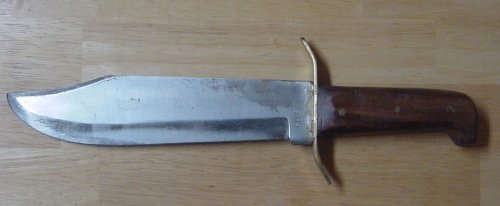
When did bowie knives start to appear? like ones such as this, this, and this?. Were there earlier versions that looked a little bit different?
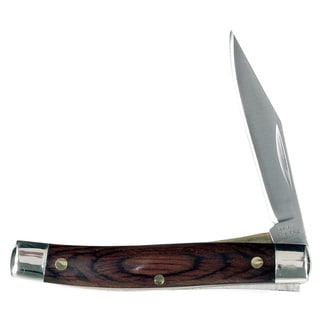
Bonus Question : When did the pocket knife (or switchblade) start to appear?
When did bowie knives start to appear? like ones such as this, this, and this?. Were there earlier versions that looked a little bit different?
Bowie knives are named after James and / or Rezin Bowie. So by name, they date to the early 19th century, when they were created by a smith named James Black.
You should read the Wikipedia article on Bowie knives, it's pretty thorough.
Bowie's original knife-- that is, the one that he had in the famous knife fight-- was described as basically a large butcher knife.
Knives like Bowie knives-- that is, single-edged blades, either intended for utilitarian tasks like butchering / skinning / dressing animals, or for any number of other day-to-day tasks-- were commonplace.
The term seax for example, is an Old English term basically meaning "knife," but in point of fact it tends to be used to refer to the sort of everyday single-edged knife that people have used for millennia.
https://en.wikipedia.org/wiki/Seax
Double-edged blades like the daggers you referenced were used as well, but for the sake of practicality and utility, a double edge makes little sense when using a knife for most basic tasks. The ability to apply downward force on the back of the blade is a necessity in many tasks, and that's made essentially impossible by having a sharpened edge on both sides of the blade.
Single-edged knife blades have always existed, since even before knives were made of anything but stone. There's even a special term for a type of stone flake that was longer than it was wide-- called a "blade"-- and that had one edge blunted by steep-edged flake removals (and sometimes by grinding) to allow pressure to be applied to the back of the tool while barehanded.