At one point in Caesar's De Bello Gallico, Caesar states that the Helvetii formed a "phalange" (1.24). My Loeb defines "phalange" as a mass, and the appendix merely states that the Helvetian phalanx, in this context, is a mass of considerable depth. In my reader, "phalange" is merely defined as phalanx.
Now, how exactly did this Gallic "phalanx" work? I've read that some Gallic towns resembled Greek poleis (I think in Goldsworthy's biography of Caesar); would it be safe to infer that a Gallic phalanx would resemble one of the Hellenistic variety?
Also, Caesar later mentions that the "phalanx" broke rather quickly; only after a volley of javelins (1.25). Wouldn't that indicate that it, as H.J. Edwards translates, isn't really a phalanx since, at least a hoplite wall, would usually be able to hold out against missile fire? Which begs the question, if it's not a phalanx, why would Caesar use the word phalanx in the first place? There are other Latin words for heap or clump.
If you read the term phalanx to mean "close order formation" (which is what I have a habit of doing), then it was really just a shield-wall.
So, to begin with, take the image of the classic Celtic warrior whirling his broadsword about.
Good, now throw that out of your mind.
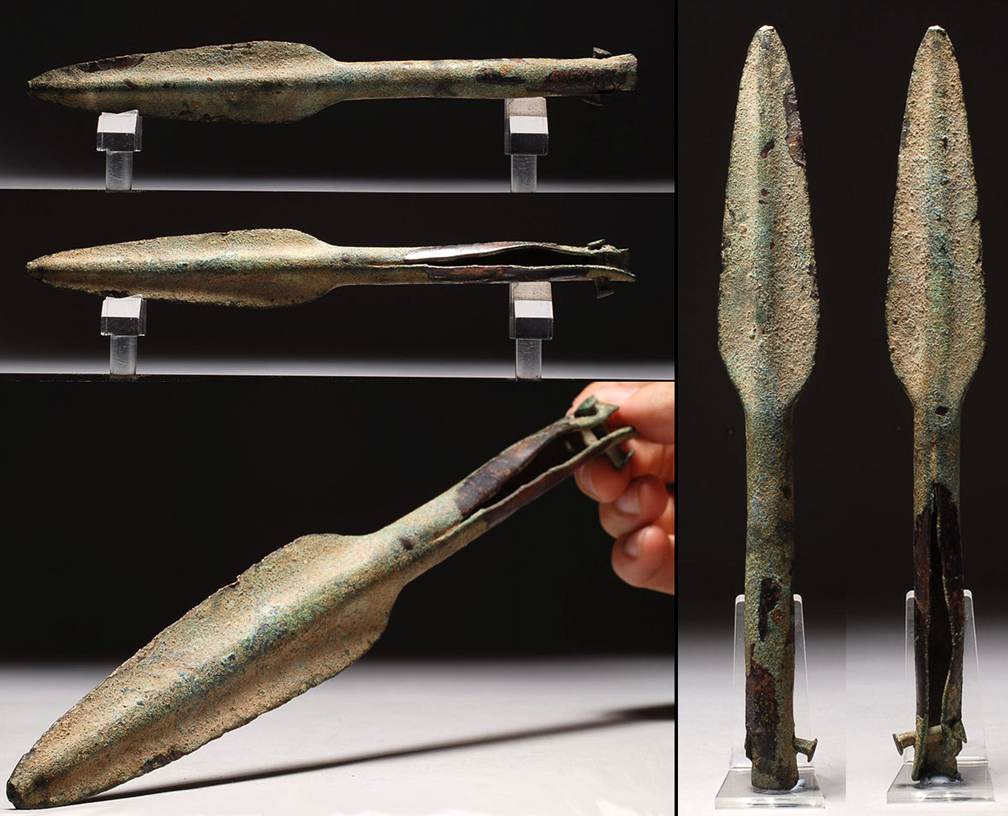
The most common Celtic weapon was the spear, which was also the predominant weapon of the warrior class:
http://www.ancientresource.com/images/celtic/celtic-weapons/celtic-spear1522.jpg
The Celtic warrior would also use a long shield, which would have resembled something like the Battersea Shield:
http://www.timetrips.co.uk/rom-celtshield-battersea.jpg
Most likely the first few lines of soldiers would be nobles or wealthier warriors. The culture of the Celts would have impelled them do so, both to acquire personal glory, material for bragging rights and to maintain their reputation. So these guys would have been wearing maille and helmets like this:
http://s16.photobucket.com/user/Power2the1/media/OrnateCelticMontefortino.jpg.html
So the shield wall would have consisted of armoured men with overlapping long shields in the first few rows, and less equipped followers/freeman behind them, a bit like this:
http://www.valhallahaus.com/Celtic%20Fest/Vikings_-_Shield_Wall_72dpi.jpg
Now, why did they break?
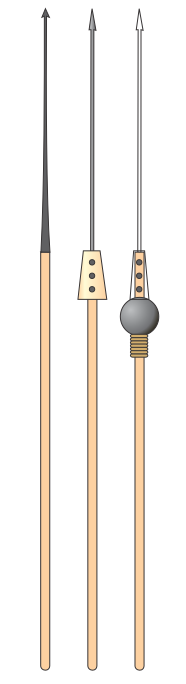
The Romans had an annoying habit of equipping their troops with javelins called pilum like this:
https://romanmilitary.net/images/spear.svg
Note the narrow head and shaft. This made them very effective against armour and shields. They would pierce the shield and weigh it down, meaning it could no longer be used defensively. Romans also threw them whilst charging.
So my theory is that that the volleys of javelins disrupted the formation by either killing the nobles up front or resulting in enough openings being formed where they were now very vulnerable. The rear ranks perhaps got unnerved and retreated, the few remaining warriors up front, upon seeing several thousand armoured Romans about to stab them and seeing they had no support behind them, quickly followed.