I've seen plenty of reproductions from medieval times mostly, that depict medieval soldiers with heavily armoured breastplate but no leg armour and little to no arm armour.
How common was that? And why did they do it?
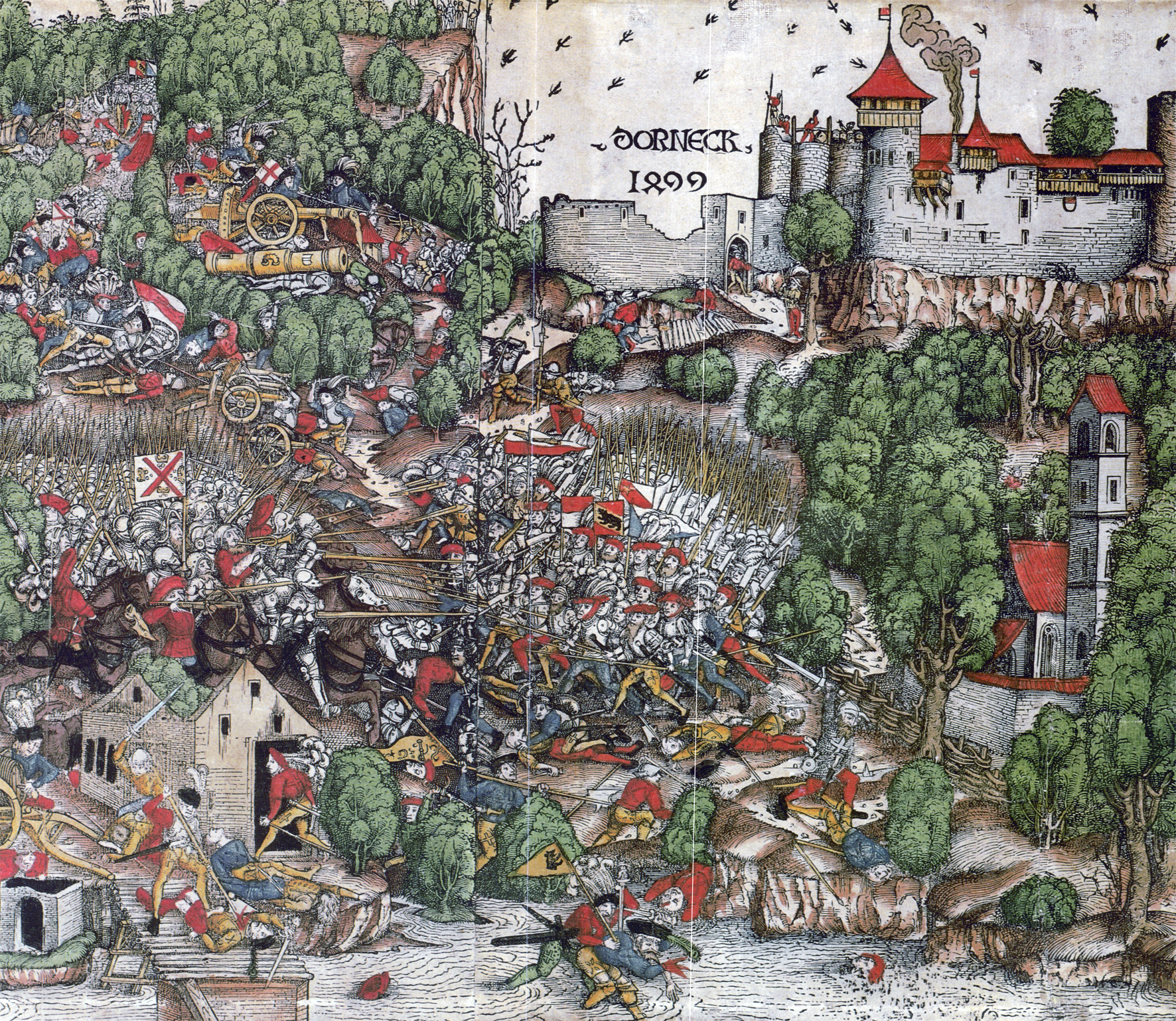
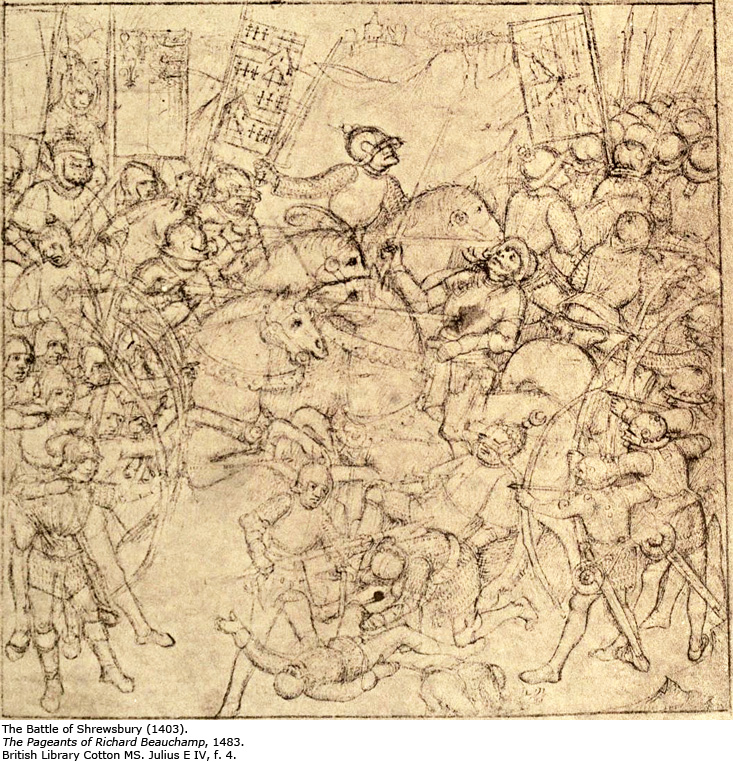
Many infantry armours protect the head and torso. This can be seen in late medieval/early modern illustrations such as the Luzerner Schilling of 1513, this 1499 woodcut of the battle of Dornach or the Beauchamp Pageant of the 1480's. It can also be inferred from account books, which mention arm harnesses and curiasses and helmets but not leg armour. Importantly, the early 16th century inventory of John de Vere, 13th Earl of Oxford, includes no leg armour among the arms for his retainers. Armours for common infantryman may protect the arms, but rarely protect the entirety of the legs. In the 1470's Charles the Bold laid out the equipment for his state of the art army (the extent to which these regulations were followed is unclear), and the infantry are all required to have protection for their heads and torso, and to have some sort of arm defense. But leg harness is not called for.
That said I think that it is a mistake to say that soldiers 'abandoned' limb armour in the late middle ages, because at no point were all medieval soldiers wearing full armour. While you are referring to modern illustrations (and keep in mind, these are someone else's interpretation of the primary and secondary sources, and so may be wrong!), all of the soldiers with unarmoured limbs that you see depicted are infantryman, 'common' soldiers, rather than men at arms (knights and those who fought as knights). The grandfather of the illustrated Swiss halberdier c. 1476 would not be wearing full plate armour. By and large, full armour was worn by men at arms, not 'common' infantry, throughout the Middle Ages. For infantrymen, fabric armour, mail and brigandines (armour made up of smaller plates rivetted to a cloth backing) were the main forms of armour until the later 15th century (at least in most of Europe). Perhaps the primary reason for this was one of expense - while relatively cheap plate armour existed, this is still only -relatively- cheap, and not economical to equip all of ones retainers with, or economical for the urbanites and relatively prosperous peasants that made up the bulk of late medieval infantry. Indeed, both pictorial and archival sources show that in many ways the armour of infantry became more complete over the 15th century, at least in the case of certain infantrymen like English archers. The later 15th century also saw breastplates for infantry become increasingly common, until in the 16th century 'munition' harnesses or as they were known in England 'Almain Rivets' including a helmet, cuirass and arm armour were mass produced, cheap and consequently common. So in general it is not the case the infantry 'discarded' plate armour in the later Middle Ages - these types of soldiers had not been fully armoured to begin with.
That being said, there are advantages when you are on foot to lightening the load of armour. This may explain why full leg armour in particular is rarely a feature of infantry armours. First there is the sheer matter of weight. While the weight of plate armour has been exaggerated, it is still a factor in fatiguing soldiers, particularly when they are advancing. You can see this is the way even full plate armour intended for use in foot developts. Beginning in the later 14th century the English adopt a form of full plate armour that covers as much of the body as possible in plate, but at the same time they -eliminate- much of the layer of mail underneath, particularly the full mail shirt. Instead, the Tower Armouries accounts show that the English used supplemental pieces of mail such as skirts, collars, gussets (for the underarm) and sleeves to fill in the gaps of plate armour. This approach was adopted in subsequent decades across Europe, though knights that fought primarily on horseback, such as those in Italy, were slower to discard the full mail shirt - weight was not as much of an issue for them. This shows how much is gained with even a little weight saving.
Beyond weight itself, leg harness (greaves especially) in particular is disproportionately fatiguing, because you don't just need to support this weight while you walk, but lift it with every step. It is like how it is more tiring to walk in heavy boots than in lightweight running shoes. Arm armour does not present this problem, and you do indeed see many more infantryman wearing plate armour (or mail) on their arms than leg armour. While you often see early modern infantry harnesses with armour for the thighs, greaves are generally not included (except in the case of men at arms in full armour fighting on foot). This can be seen in this illustration by the Swiss artist and mercenary Urs Graf Being on the end of the leg the greave and sabaton has the farthest distance to travel when walking, and so causes the most fatigue.
When you add this together, limb armour, particularly (lower) leg armour, is an added expense when an infantryman is equipping himself or being equipped by his employer. It adds weight, which affects infantrymen more than cavalry. Leg armour, particularly greaves and sabatons, are disproportionately fatiguing when moving on foot. And this is why infantry, throughout the Middle Ages and early modern period, often fought in partial armour, if they were armored at all (keep in mind that some soldiers could not afford armour and were not equipped with it by others).
*Keep in mind that dismounted men at arms, such as the French during the 100 Years war and the English from 1330 on, often fought in full plate armour, including full leg harness. However the English in particular sought to fight in a relatively defensive manner, which meant that their men at arms were not unduly tired by charging in full harness (including legs). Full armour on foot was much more endurable when fighting on the defensive - compare the French Knights performance in Agincourt to those of their English opponents.
Sources:
-Edge and Paddock -Arms and Armour of the MEdieval Knight
-Strickland and Hardy - the Great Warbow - Ordinance of Charles the Bold
-Alan Williams - the Knight and the Blast Furnace
-Claude Blair - European Armour 1066-1700 - general background on armour
-Thom Richardson - The medieval inventories of the Tower Armouries 1320-1410 - notes on mail shirts versus supplemental pieces of mail armour
-Daniel Jaquet - Range of motion and energy cost of locomotion of the late medieval armoured fighter: A proof of concept of confronting the medieval technical literature with modern movement analysis - analysis of limb armour's effects on movement
You may also be interested in my previous answers about infantry armour:
Is it possible that you are viewing renaissance era pictures like this? This armour is used after the medieval period, and it developed due to the increasing use of firearms, which caused armour to be made thicker to compensate. Eventually it became too heavy for infantry to bother wearing full plate and just covered their vitals.
Medieval plate armour in Europe actually started in the 13th century and elbows and knees were the first places to get plate coverings, followed by the chest (in the form of a coat of plates) and then eventually to the rest of the limbs. It wasn't until the end of the 14th century that we see fully developed, articulated plate armour in Europe, and by this time the medieval period was nearly over.