There were a lot of slavery issues then... what states could have slaves, when could slaves be freed, etc. But what else was going on? What were the gay marriage and Obamacare-esque kinds of political stances of the time?
It is difficult, if not impossible, to entirely dissociate most of the social issues of the day from slavery. Divisions tended to be along sectional lines, albeit not precisely the same as the Union-Confederacy borders. Several major Congressional battles were not resolved until after secession. For example the Homestead Act (1862), which granted free land to settlers under certain conditions, was largely opposed by the south because it was seen to favor the settlement of anti-slavery northern or immigrant small farmers.
Nativism was a widespread issue. With increased German and Irish immigration, anti-Catholic feeling also rose. Catholicism was viewed as fundamentally incompatible with democracy. Immigrants were also blamed for driving down wages. Nativists formed the Know-Nothing party, which was largest in the 1850s and advocated strict immigration policies, including a 21-year probationary period for naturalized citizenship. This issue was of larger consequence in the north, where there were more immigrants. Related to the above was temperance, a moderately popular cause among Protestants opposed by many Catholic immigrants.
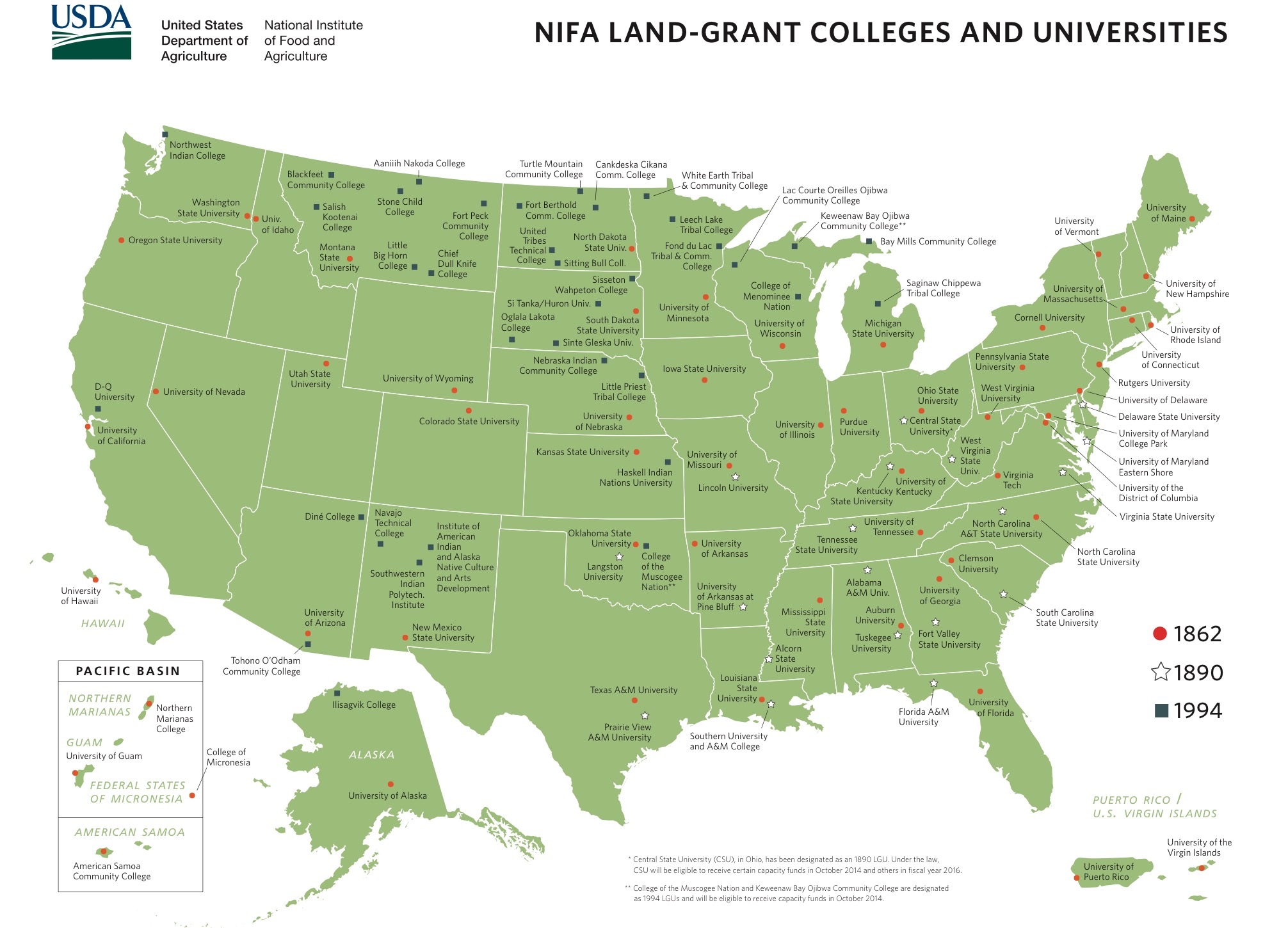
Education was also in the public eye. The Morrill Act (1862) was developed to provide federal land grants to states for the creation of universities, a great many of which are today very well known state universities. These schools were meant to primarily provide higher education in agriculture; mechanic arts (engineering) were soon added. The bill, introduced by Justin Smith Morrill of Vermont, found more support in the east, since the amount of land provided was based on the number of Congressmen and Senators a state had, while westerners from states where the land would come from were less enthusiastic. Some southerners also thought most students at the resting schools would be northerners, and saw little benefit to the south. The bill was first passed by Congress in 1857, but vetoed by Buchanan.
In short, a lot of common topics from throughout American history.
Sources: A House Divided: Sectionalism and Civil War 1848-1866 by Richard H. Sewell; Battle Cry of Freedom: The Civil War Era by James M. McPherson