EDIT: It seems the comment I was responding to is gone now, but I'll leave this as is.
I...want to challenge you on quite a few things but the most important thing is this:
Here in the west we care about being comfortable.
In the east people care about doing things the 'right way'.
...What does this mean?
I guarantee you that the vast majority of Japanese people (and non-Japanese people) who sleep on futons do it very voluntarily because they prefer it and not because it's 'correct'. Futons can be incredibly comfortable.
Seiza, however, generally is not the most comfortable position to sit in nor is it the most natural way for a human to sit, which was acknowledged and very evident to those who required seiza.
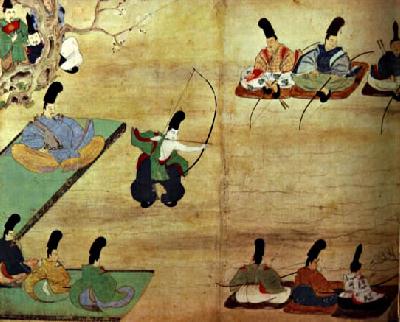
The most notable place that seiza was and is used is in the form of tea ceremony popularized by Sen Rikyu where this formal sitting stance was a formality that was required for the solemn ritual of making, serving, observing, and experiencing the tea ceremony. Seiza's unnatural strain on the body was used to distinctly differentiate it from more natural (and culturally more casual as opposed to formal) ways of sitting. This sense of formality they attached to seiza was why it was used in and popularized through tea ceremony, spreading to other kinds of cultural, religious, and political rituals.
Please don't use a wikipedia page to then draw extremely broad conclusions about a culture where the ultimate message you're imparting is essentially "Japanese people are different from people like you and I. They prefer being right to being comfortable."
Japanese people enjoy being comfortable as much as the next person and there are plenty who'd throw 'being right' to the wind so they can be comfortable instead.
To address OP's question more directly:
The reason for seiza's enduring popularity is partly due to its symbolism as a proper, formal way to sit. Many analogies can be drawn to various ritual requirements in many cultures and settings.
Black and white suits at formal events. White wedding gowns at marriage ceremonies. Foot binding in China, but particularly at imperial court.
The other part is that it was attached to other rituals/ceremonies that were popularized in society. It was adopted by an extremely popular iteration of tea ceremony as well as religious, political, and military institutions that had great influence throughout Japanese society.
These forms derived a great deal of authority and legitimacy from maintaining traditions and so they would emulate previous iterations rather than change them (for example, tea ceremonies are considered authentic when you do them the 'right' way, which happens to strictly adhere to the 'traditional' way.)
As for 'is it really comfortable?,' I would say that in general, virtually everyone finds it uncomfortable the first time they sit this way. It's generally an unnatural way to sit and isn't prized for its comfort. But you can grow used to it and shifting your weight in the right places can let you sit this way relatively unbothered for long periods of time. Some people indeed profess that they prefer sitting this way.
But I think it's safe to say that sitting in this position for long periods of time strains the body more than sitting in a more natural position. It would seem that the ancestors of modern day practitioners of seiza thought the same thing since they would make exceptions to requiring seiza in rituals for the bodily infirm, whether it was due to age or physical disability. It appears that it was not uncommon for some participants to be allowed to sit on padding and sometimes not required to sit in seiza at all, usually giving the extremely elderly a chance to rest their bodies rather than strictly require seiza.