[deleted]

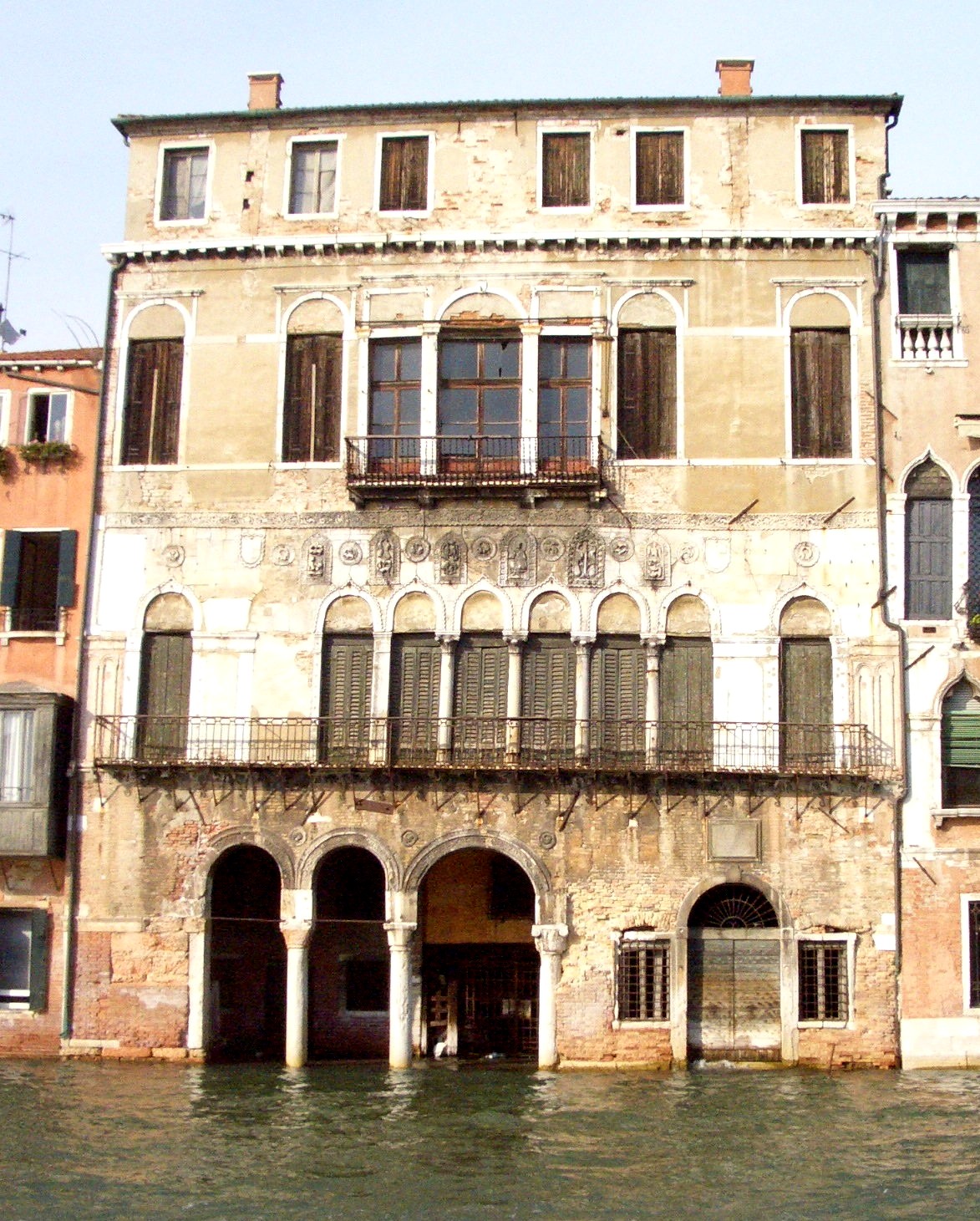
I actually don't know the precise rate of construction in Italian cities between the start of the 15th century and the Italian wars; calculating the rate of building replacement in renaissance Italy would be a great topic for a thesis or academic paper, I'd definitely read it! What I can say is that the modern city of Venice, like all cities, is characterized by an eclectic assortment of different architectural styles, as each new construction reflects the style of the time it is constructed in: in the city there are buildings constructed in the 20th century, buildings constructed in the 19th century, 18th century, 17th century, 16th century, 15th century all the way to the 14th century.
In his A History of Venice Johns Julius Norwich goes over the urbanization and density levels of the Raltine Islands, the heart of the City of Venice. However, we don't have a whole examples of what the city would have looked like at the time, only descriptions. That's quite a shame, as Venice would have looked dramatically different: the whole eastern part of the city would have been defended by a castle with a massive sea-wall that ran all the way to the Doge's Palace. This complex included the Arsenal, as well as the an apparatus to raise and lower a chain across the mouth of the Grand Canal. Most streets would have been unpaved, and the Campi would have been just that, mossy fields overgrown with vegetable gardens and the odd tree.
Urbanization in Florence has similarly been tracked, this image traces the renaissance walls of Florence on an image of the modern city however I don't know the precise rate of construction in fifteenth-century Florence either.
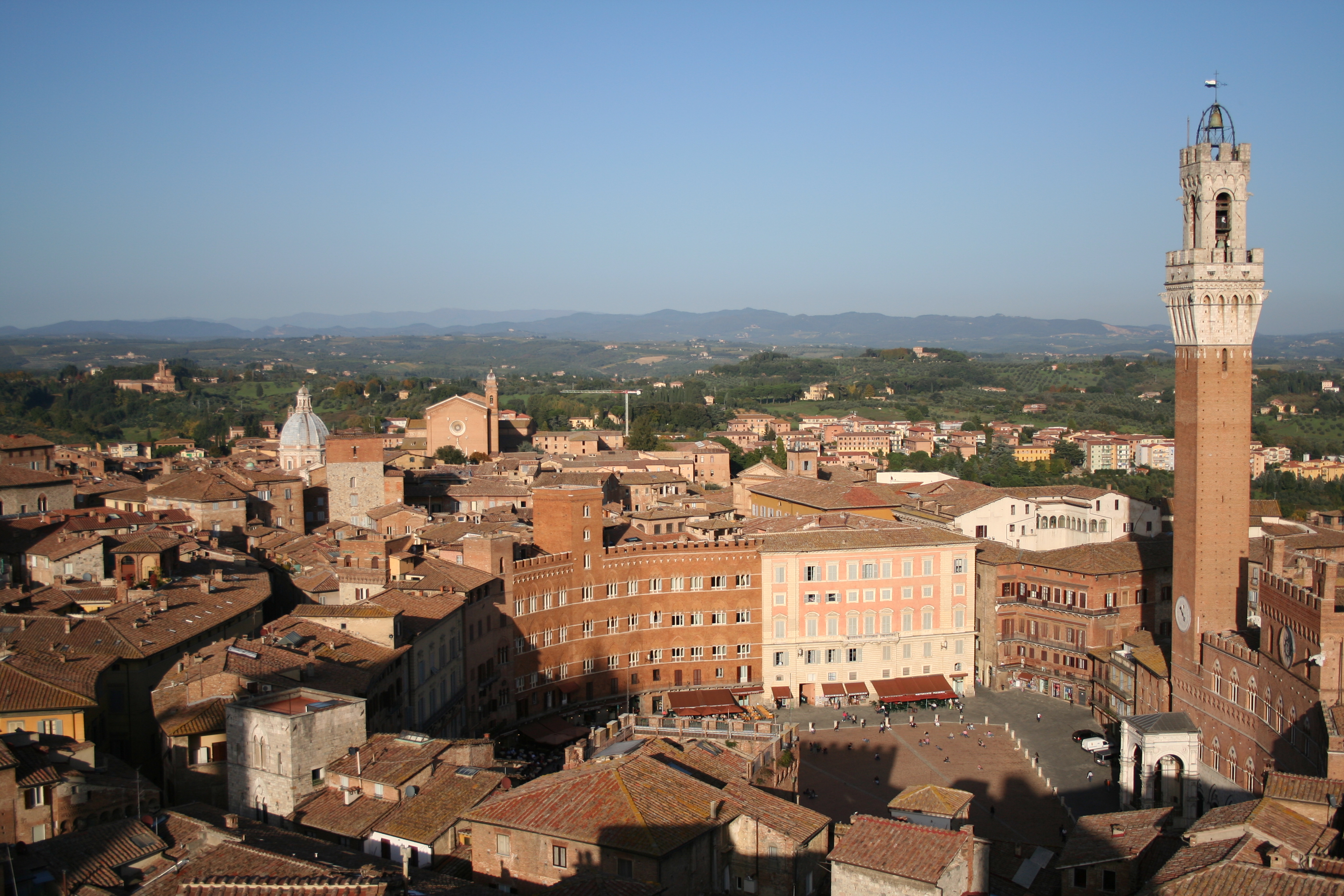
If you want to know what a city might have looked like in the start of the renaissance (the fourteenth century), I think Bologna is the best example. Barring about a dozen post-unification nineteenth century buildings, a fictitious building constructed to separate the main square from the unruly market, and the haphazard (abandoned) attempt to cover the cathedral in marble, much Blognese construction halted after the city came under the domination of the Visconti in 1350 (and later, by the papacy). Siena is another, smaller city which was eclipsed by the Florentines more or less in the same period and consequentially retained a lot of its early renaissance character.
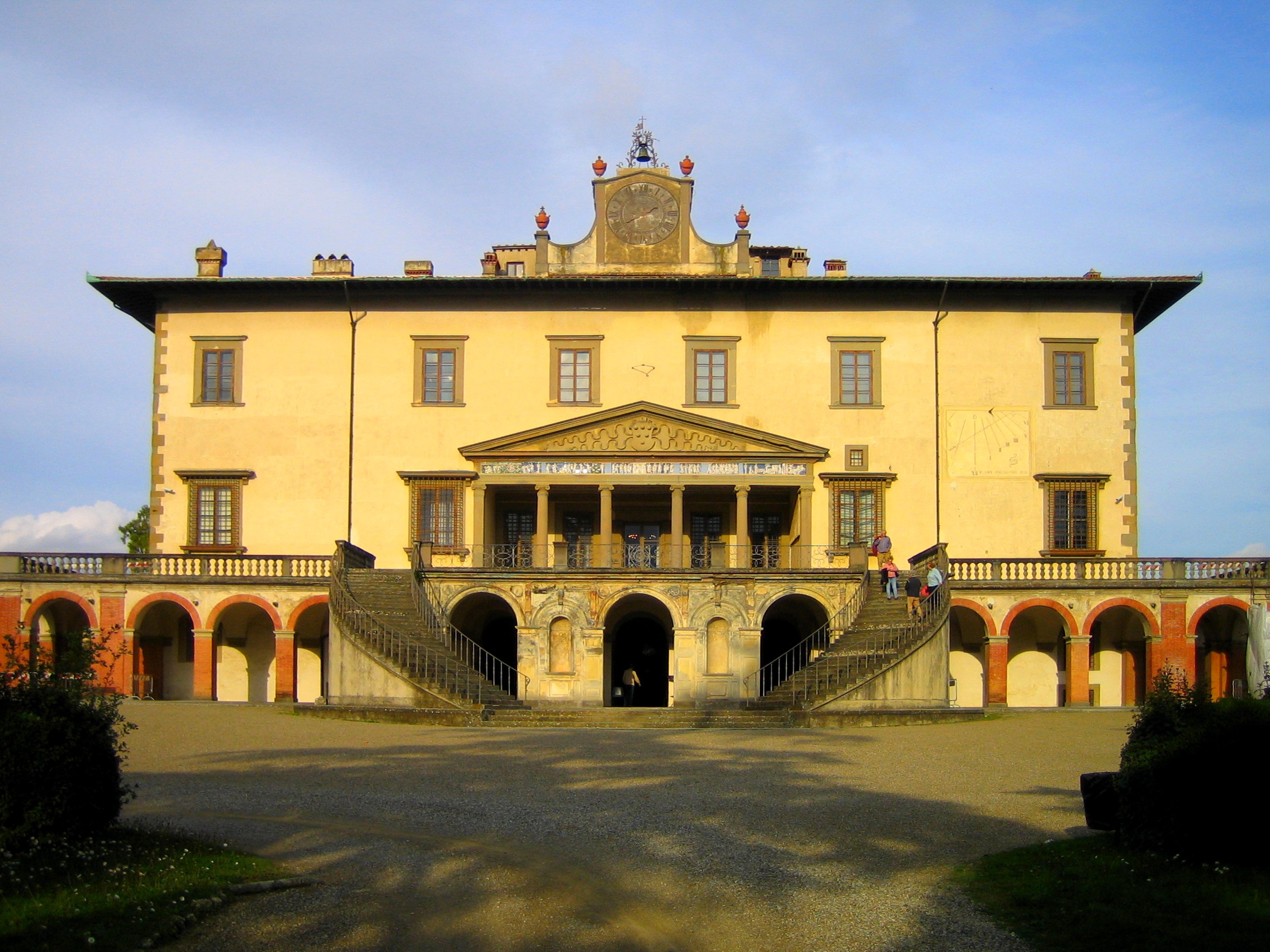
Florence is a good example of what 15th century symmetric ideals look like, although the florentines do have a maniacal obsession with geometry mostly absent in the rest of Italy which doesn't appear anywhere else until Andrea Palladio became popular in the Veneto about a century and a half later. Plus, Florence is also very, very eclectic. Rome's characteristic style developed slightly later, after the turn of the 16th century, and is much more decadent and elaborate than Florence; buildings like St. Peter's Basilica or the Quirinal Palace are unapologetically not just harking back to classical lines, but perform infinite permutations on them, whereas the Florentine buildings built the previous century adhere so closely to geometric lines they retain a certain element of medieval austerity. Plus during the counter-reformation Baroque art really explodes in Rome, so much of what you see is really seventeenth century; including the interiors of St. Peter's Basilica.