How did the totalitarian state manifest itself in the art and architecture of the period? I hear a lot about Nazi's collecting and hoarding art but I rarely hear about the art they actually produced
Architecture was an important part of the representation, with a goal to impress by ever larger plans, most of which never saw fruition due to the start of the war.
Hitler was especially interested in architecture and formed a close bond with Albert Speer (who would later become a cabinet member in charge of coordinating the war effort), who would design buildings in a classicist style with a dash of Renaissance whose impressions of monumental size would often be amplified by very muted, almost nonexistent, decoration of the facades. Prime examples of finished buildings can be found by googling for the Neue Reichskanzlei (New Reich Chancellory) or the (partly finished) Reichsparteitagsgelände (Party Rally Grounds). Plans for the "Welthauptstadt Germania" (World Capital Germania), fundamentally transforming Berlin, never went out of the planning stages; one of the few remains is a massive concrete Cylinder designed to test in situ the stability of the ground and its feasibility for monumental buildings.
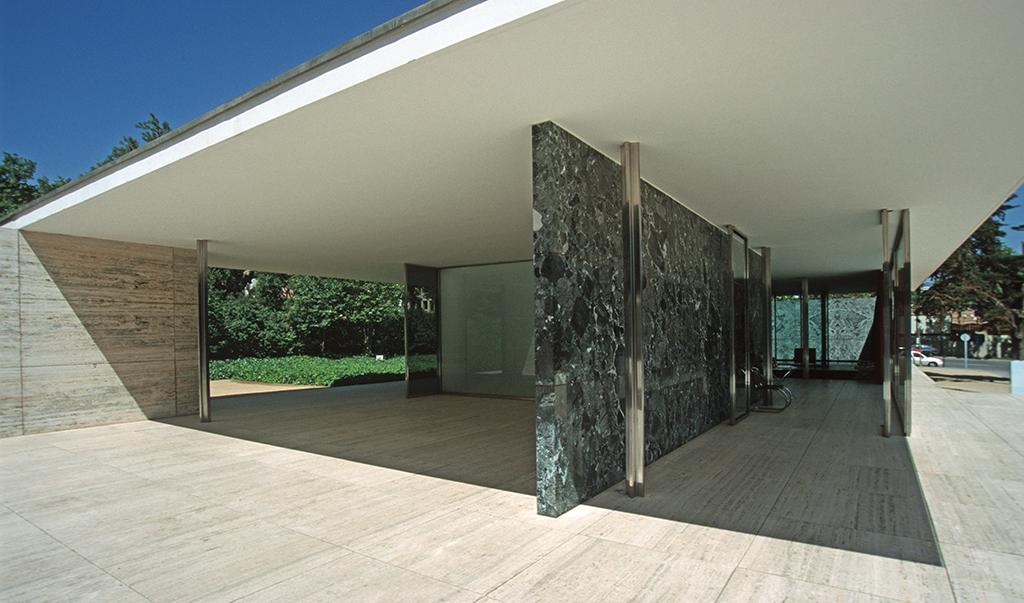
Architecture was also used to represent Germany and its new political direction on the international stage. Most famous is probably the German pavilion at the World Fair 1937 in Paris (see here to the left and here), especially considering the striking contrast to the Weimar-era German pavilion of 1929 (see pictures of a reconstruction here and here).
There is ample literature available, especially about the buildings and plans designed by Speer. I'm not sure I can suggest anything in particular, but if you have a large library close by, it's probably worth a try just hitting their catalog for photobooks or heavily illustrated books on the topics of Albert Speer, any of the buildings named above, or Nazi architecture in general.
I'll leave the question of other art for other people to answer who are more knowledgeable than me. I will simply point out that the favored style of sculpturing likewise followed a classically-inspired style. You can see a couple of examples in the picture of the pavilion above. Searching for works produced by Arno Breker between the mid-1930ies and 1945 will give you a rough idea.