I know that a lot of food/medical aid was provided to the Japanese population (and the millions of prisoners of war) by the United States after the occupation began, so I figured it would have at least been thought of before hand that help would need to be provided for the victims of the atomic attack. I just couldn't find any concrete sources for this other than general medical aid provided to the population.
Not to mention that US troops actually had to occupy Japanese territory, I wonder what it was like to be stationed near or even within (if possible) Hiroshima or Nagasaki.
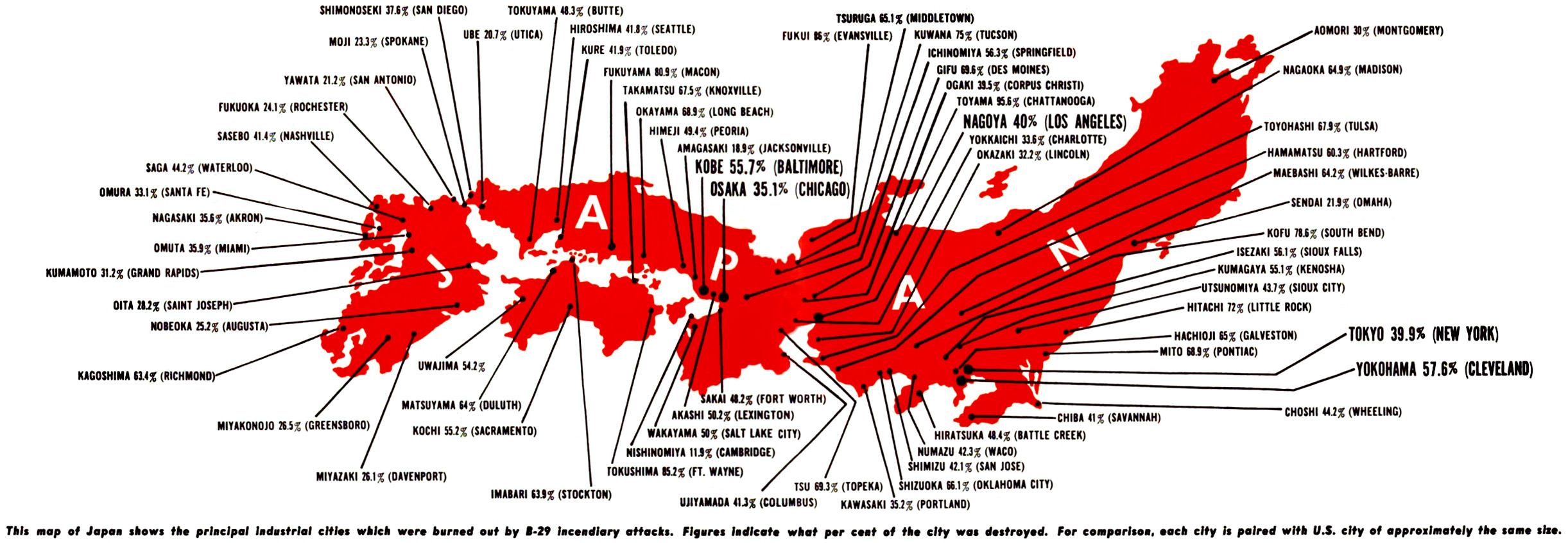
The US sent teams of scientists and doctors to work with Japanese scientists and doctors to study the atomic-bomb victims (the hibakusha). They also participated in the reconstruction of the atomic bombed cities along with the dozens of other cities that were destroyed by the conventional bombing campaign.
But I don't think there was any "special" aid given to them that wasn't given to other victims of bombing.
If you're asking because you are under the impression that the radioactivity was high — it was not terribly high, not by the time the Allies got there, anyway. Allied forced did not arrive until September 1945, and most of the surveying of Hiroshima and Nagasaki did not take place until October. The bombs were detonated at a high altitude and did not produce long-lasting radioactive effects on the ground. Radiation was a problem if you happened to be in those cities on the day of the bombing, but it was not a long-term, chronic issue.