Why not older, especially in countries that are more than 200-300 years old?
This is a really interesting subject!
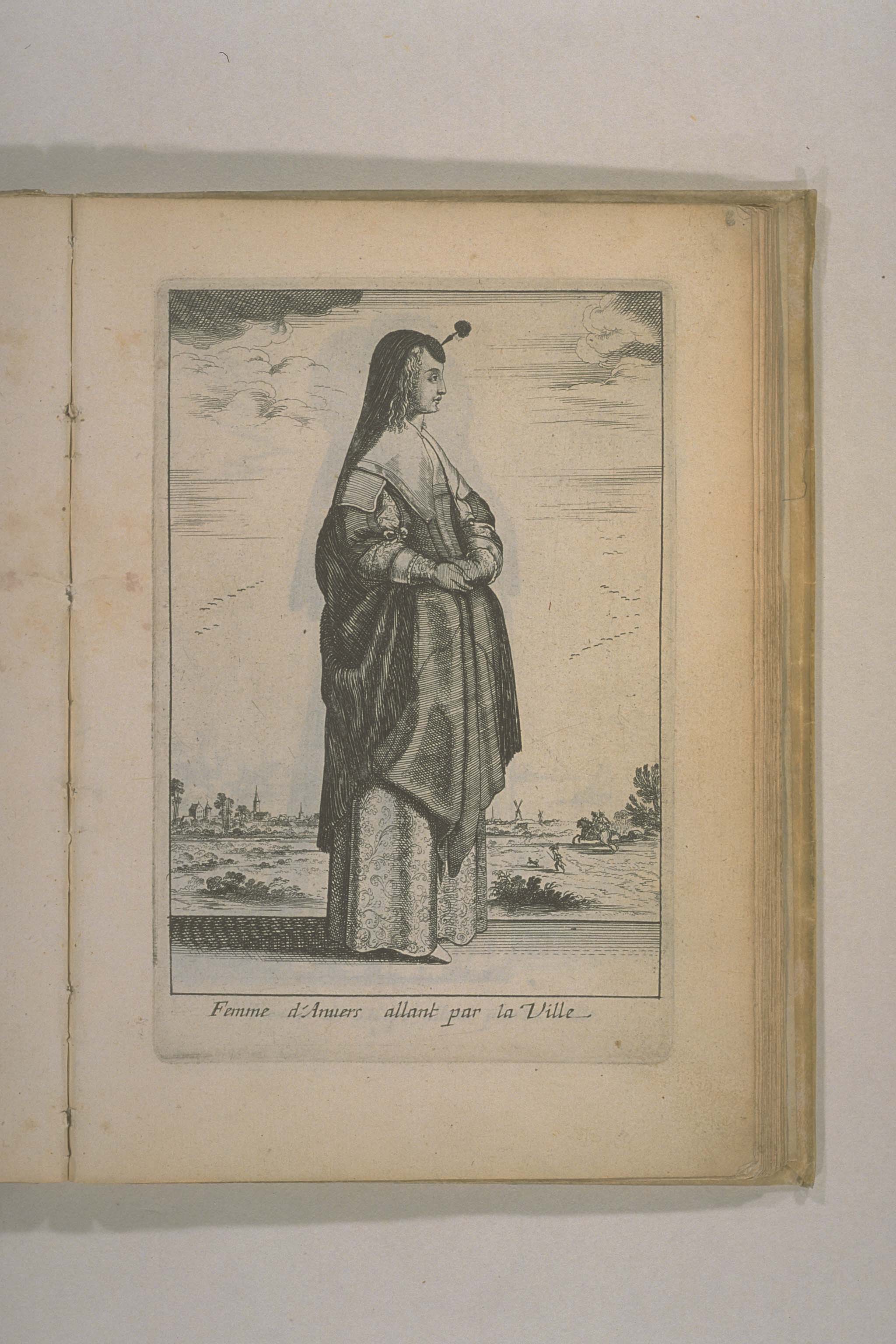
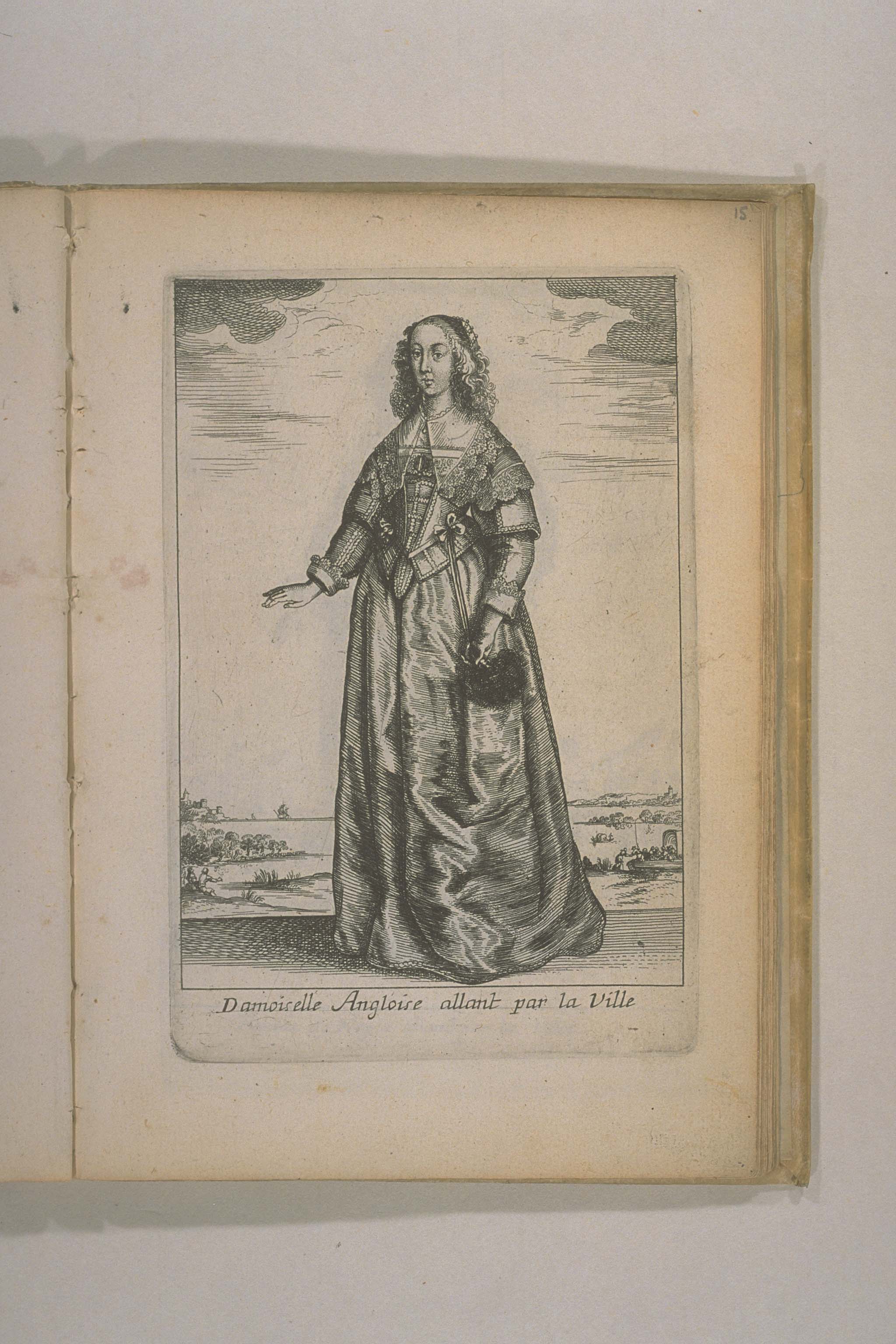
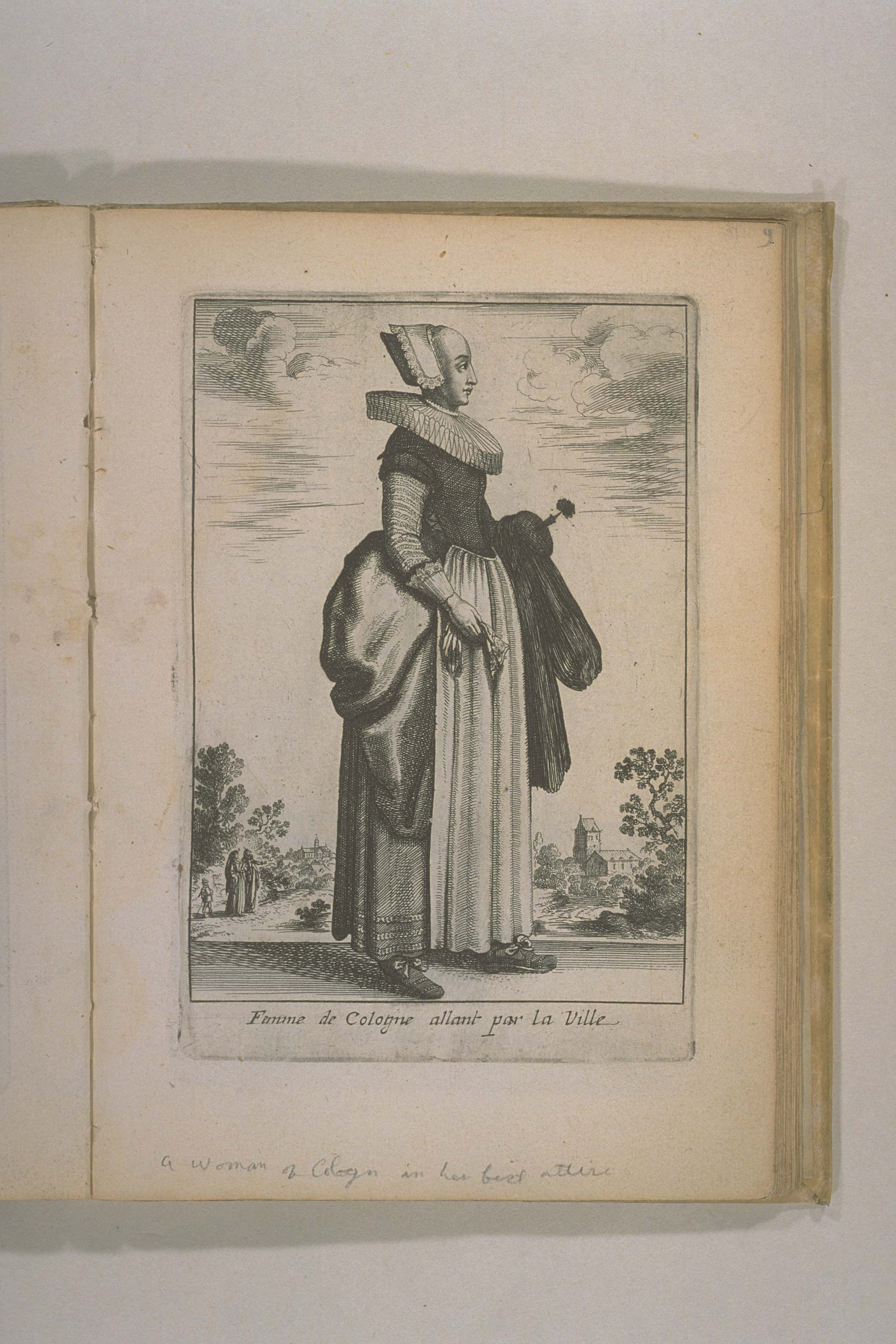
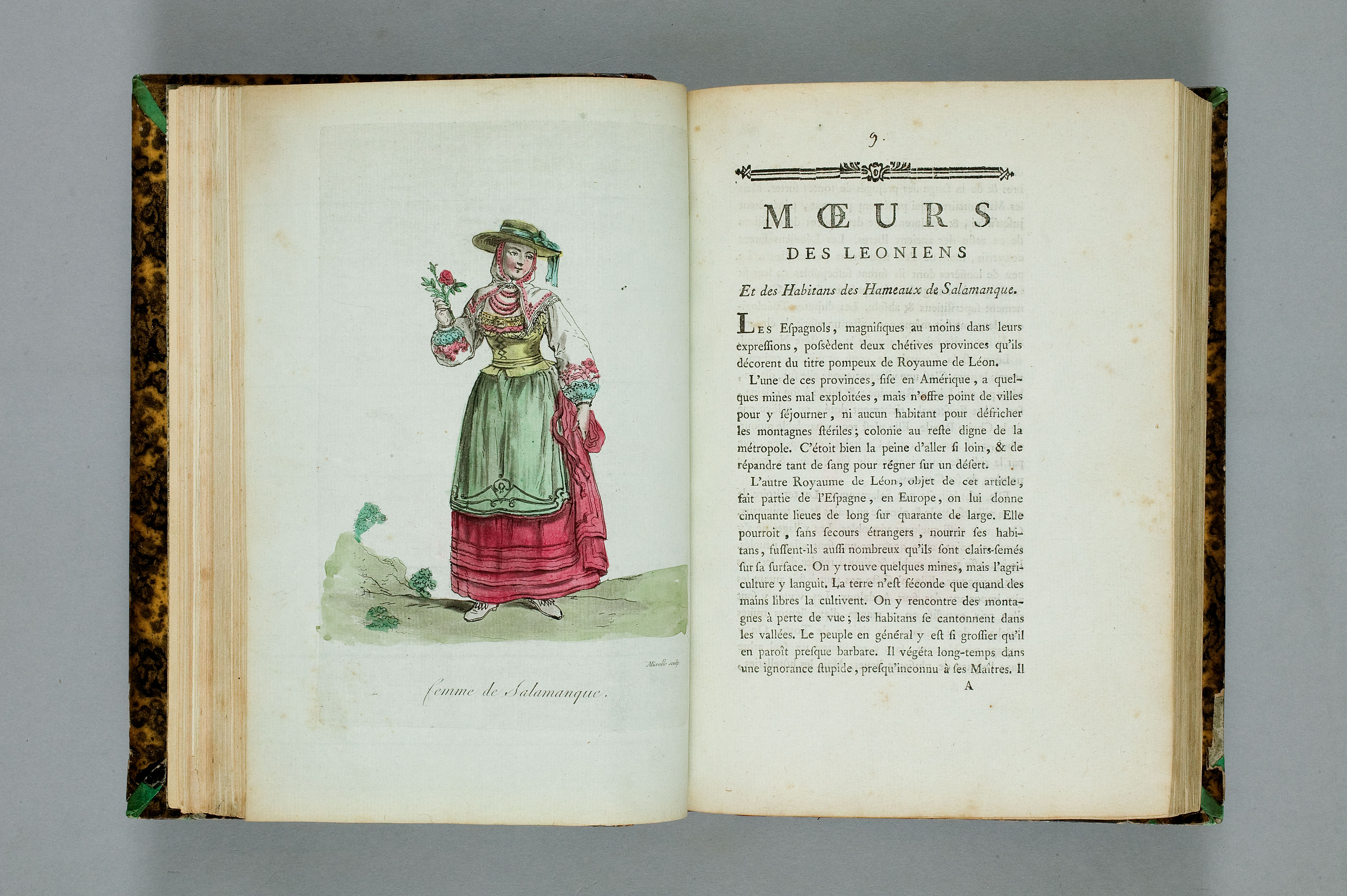
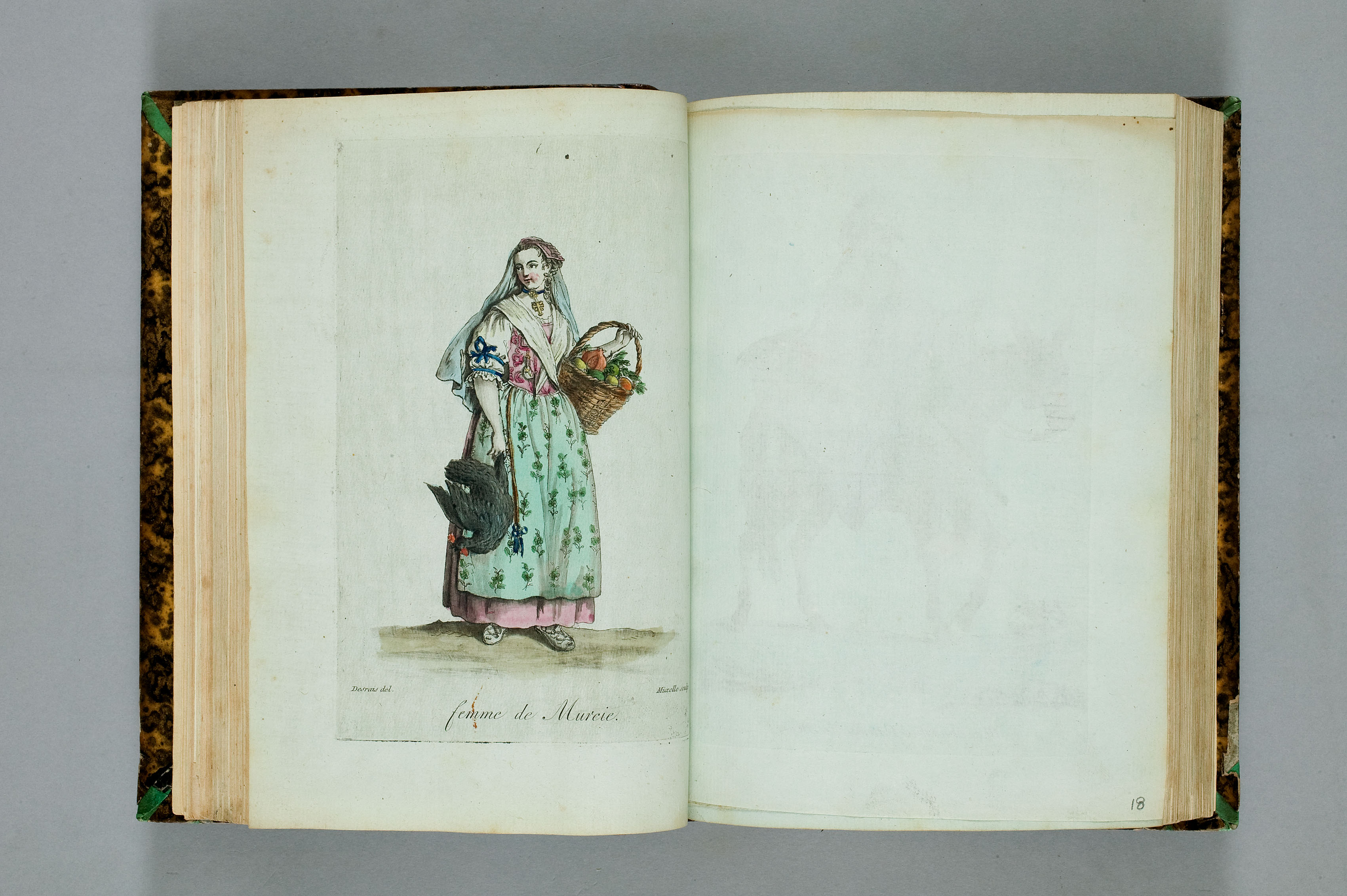
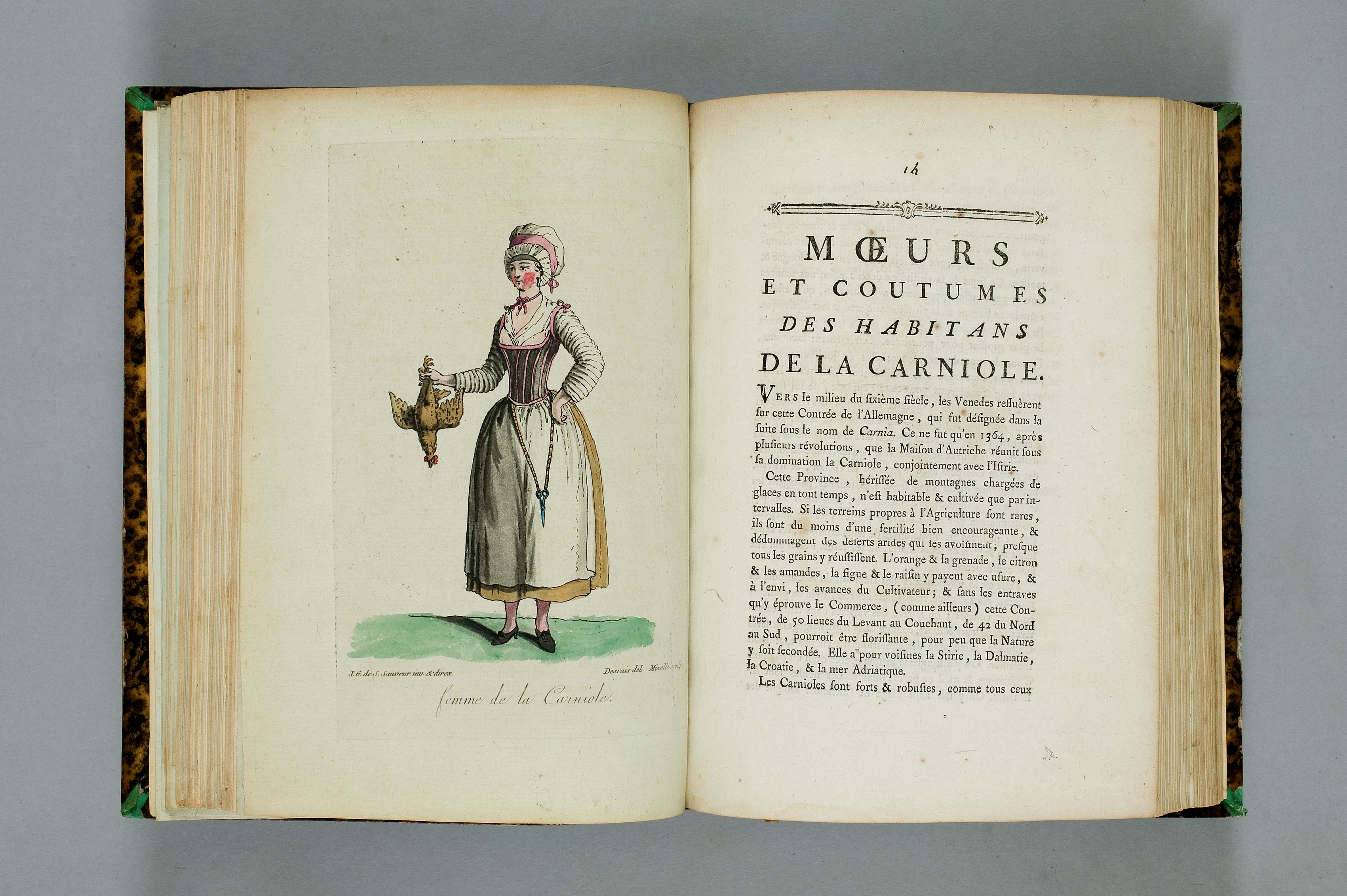
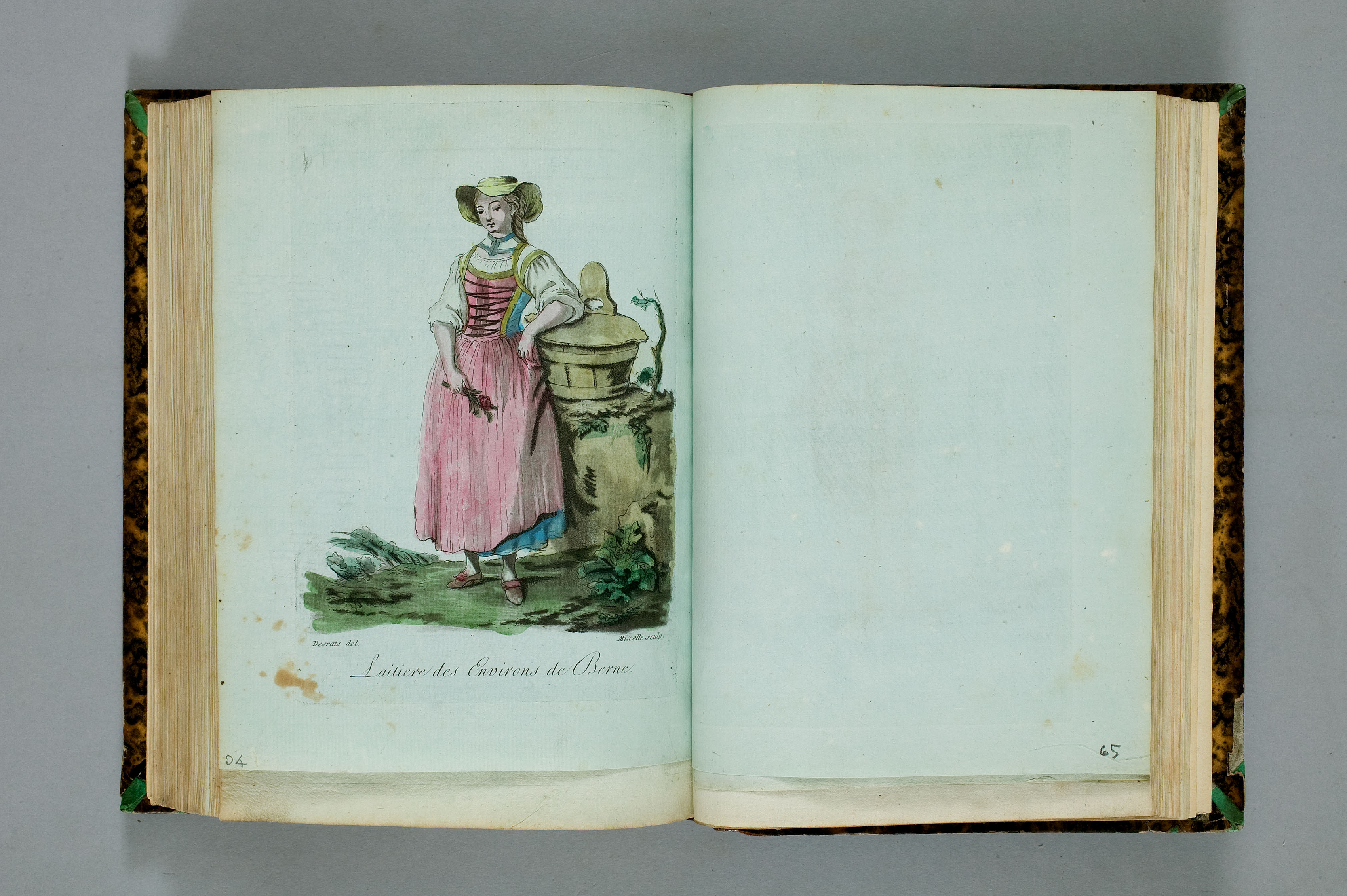
First - there was significant regional variation in dress prior to the 19th century. For instance, you can see the great difference between Western European and Italian noblewomen's dress in the 15th century; in wealthy, fashionable circles these differences gradually eroded through the 16th, 17th, and 18th centuries, but the lack of mass media meant that more isolated regional cultures were able to persist. For instance, in the 1662 Livre curieux : contenant la naifue representation des habits des femmes des diuerses parties du monde comme elles l'habillent à present, we can see the difference between the woman of Antwerp and the Englishwoman and the woman of Cologne. In the 1788 Costumes civils actuels de tous les peuples connus, dessinés d'après nature, gravés et colories, accompagnés d'une notice historique sur leurs costumes, mœurs, religions, &c. &c we can find the common dress of Salamanca, Murcia, Carniola, Bern, and many others.
What happened in the 19th century (and arguably is happening with the Costumes civils) is that national identities became much more important. In some cases, this meant differentiating a culture from those around it, and in others, developing shared characteristics for the cultures within one area in order to unify them in one country/culture. Johann Gottfried Herder argued in the 1770s against Voltaire's idea of a universal culture, proposing instead that every separate, varied volk (there's debate over what specifically volk meant to Herder, but essentially - "people") was equally legitimate - this is often considered the seed of the nation-defining philosophy so important in Europe in the following period. Across the continent, the low-status and unfashionable clothing of peasants was essentially frozen in time, spruced up, and sometimes greatly modified in order to become a national folk dress for the urban middle class to display unity with their volk.
Folk dress was an especially good way to both differentiate and unify because of its visibility. It's usually distinctive, when compared to pan-European fashionable styles, and it makes everyone who wears the same folk dress on the "same team", so to speak. In the same uniform. It also becomes a symbol that represents everyone else who wears it, or who identifies with it. When Alsace was annexed in 1871, the image of a woman in Alsatian folk dress became a statement of defiance against Germany: for instance, Jean-Jacques Henner's Elle Attend (literally, "she is waiting", ie for France to come back for her). These headdresses faded out of general use by the end of the century, except by the very old and rural - and except in deliberate festival contexts, often by people who were of high enough social status to have totally ignored this kind of peasant dress a generation earlier (middle and upper class).
Another example is the Norwegian bunad. Norway became independent in 1905, and around this time the national identity was extremely important. In the second half of the 19th century, the same type of urban women who could afford to/would be expected to wear fashionable dress took up regional folk costume in order to display their nationalist sympathies; this really got kicked into high gear with Hulda Garborg's picking up the archaic term bunad and synthesizing regional folk traditions into one Norwegian dress (which then itself developed regional variations later in the 20th century) as well as inventing some designs herself. This bunad is still used today in festival-type situations, and is considered "traditional" despite its actual short life.
I'll answer this from a slightly different perspective, as someone in a different but related field (ethnomusicology).
In the US, we have something called "old-time" music. Purportedly, it's the traditional music of the rural eastern US, especially associated with Appalachia. But what about that name, "old-time?" Well, it's descriptive! When people first started going around with microphones and recording devices in the first decades of the 20th century, this was the music that was already somewhat old-fashioned. Once recordings became more widely and (critically) commercially available, people started listening to jazz, pop, country, and other popular styles, shifting away from "old-time" music.
It's no coincidence that three instruments commonly associated with old-time music were all popular musical fads of the 19th century. The banjo rode the minstrel show wave, the mandolin was popularized by the touring "Estudiantes Española" ensemble, and the standard 6-string guitar mostly replaced various regional styles of guitar, again helped out by a few popular touring performers (sense a pattern?). Think of electric guitars and ukuleles today; tons of people buy them and play them after seeing their favorite band or musician play, and there are tons of music books out there to help them learn.
Eventually, trends move on, and areas that still used these instruments frequently were generally backwoods or "out-of-touch" rural areas. Hence the moniker "old-time" music; these styles were the equivalent of someone having a disco band today.
Which brings us to your question about traditional dress. The photograph was invented in the 1840s; by the end of the 19th century most middle and even working class people could have their picture taken. Couple that with advancements in ease of travel and the burgeoning mass media, and you have a recipe for homogenization, just like in music after recording technology. The styles that existed in the time between when photographs were invented but before that homogenization are now thought of as the "traditional" dress of that country.
The thing about tradition is that it's always changing. What your average Norwegian wore in 1800 is different from what they wore in 1700, 1600, 1500, or 1400. We have evidence of this in some pictures and surviving garments. However, the clothing and paintings that existed prior to photography were heavily biased towards upper-class people, which means that we don't have the same volume of images of working class people that we have post-photography. The same is true of music; people have alway needed music for dancing, prayer, and other purposes, but we don't have much documentation of traditional music before the advent of recording technology. What we think of as "traditional," whether it be music or clothing, is largely a result of that particular style being around immediately before mass media started to crowd out regional difference.