I know there were resorts of sorts for workers in some socialist/communist states and many people in the cities were afforded dachas, but were there proper vacations given where people would go to the sea or another town for recreation and time off from work? Specifically for the 'average' citizen/worker, not the party elite. If so, what would a average holiday be for the average Russian from a medium-sized city or town? How much time would they get and what percentage of people would get it?
The entire concept of vacation (as in, mandated paid leave from work) in Russia is largely a product of the October Revolution.
The decree (apologies for the source, and the fact that it's in Russian, but most of these haven't been digitized in any way) was passed in July of 1918, and mandated that workers that were continuously employed for a period of 6 or more months were eligible for a period of paid leave with a duration of up to 2 weeks in 1918, and a minimum of 2 weeks later on. Notably, at the time, it also said that you could not be taking part in paid work during your leave and you couldn't be paid for days that have been burnt up (late those restrictions were lifted).
These decrees and laws were then revised several times over and ballooned in size (as is expected, I suppose, from a country claiming to represent the workers). In 1922 they reduced the time of employment threshold to 5 and a half months, and decreed that dangerous and hazardous work conditions and environments mandated an increase in the minimum leave period equal to least two extra weeks with pay. In 1930 the minimum mandated leave time decreased down to 12 days, but you could stack it with state-mandated holidays and regular weekends, which was then increased to 15 days in 1967. Nowadays (and since 1991) it is 28 days, as per the recommendations of the European Social Charter.
The basic principle was reaffirmed in the Article 119 of the Soviet Constitution (and all its later revisions, although the exact length of leave varied), which also stipulated "the provision of a wide network of sanatoria, rest homes and clubs for the accommodation of the working people."
This network of facilities (notably the rest homes) would, in most cases, be the best an average Russian Soviet person could hope for in terms of his or her vacation. The rest homes were officially created in 1921 with yet another decree of the Council of People's Commissars (which will become the Council of Ministers after WWII), but were already created in some places as early as 1920. The link is in Russian once again, but Google Translate does a very good job of getting most of the point across. Note that they made a point of directing local authorities to appropriate monasteries, ex-nobility manors, and so on for conversions into those facilities.
As the name suggests, the rest homes were meant to help the workers recuperate and re-energize themselves. They were NOT medical facilities (those were sanatoriums) but they HAD to have permanent medical staff - usually a physician in the large ones, usually with over 300 spaces, a feldsher (something between a physician and a nurse, training wise) for medium-sized ones, and a nurse, which was a bare minimum it legally had to have.
The actual availability and ease of access to such rest homes (as well as sanatoriums and other similar facilities) varied greatly case by case and depended on your place of employment, age, social status, family size, military background, and, last but not least, personal connections and favours (known as "blat" in the Soviet Union and most of the post-Soviet states today). While the process could be relatively swift and painless, it could also resemble the process for buying a car in the Soviet times, when one would have to prove his credentials as a good and dependable worker and then be placed in a line, sometime for years before an approval could be granted. Those didn't have to coincide with your paid leave (a typical tour to a rest house varied between 12 and 24 days), and in some you could simply buy a place outright, though that was beyond the paying power of most of the population. That said, and I know this is a borderline personal anecdote, I have met very few Soviet people who were around in the 60s or 70s and have never been to at least one rest home or sanatorium of some sort once in their lives. EDIT: The Soviet sources say that there were more than 1200 rest homes operating in the country as of 1970, capable of accommodating more than 220.000 people, without counting the single-day facilities.
The most sought after were the country-side rest homes and resorts. There weren't a lot of them (for example Sochi and Crimea were two of the most famous ones, as well as Jūrmala in the Latvian SSR) and it was very hard to get a place in there, practically impossible without bribes and the aforementioned personal favours.
Contrary to popular belief, the rest homes were NOT inaccessible to average people, or at least not ALL of them at the very least. Those that were accessible were also generally highly sought after and you could spend years sometimes waiting for admission into a really good one. Admissions in this sense would be issued through your employer, sort of like a cash bonus, but in the way of a free or a subsidized tour. There were many different types of rest homes - regular ones, which would usually serve individuals, family ones, which catered to parents with children, specialized ones such as, for example, for pregnant women and mothers (which were not sanatoriums, but had more medical facilities), youth ones (which had to have camping and were basically the same as summer camps), and so on, including ones for the party members, members of the army, police forces, and so on.
In lieu of a rest home admission, one could simply use his or hers paid leave and retreat to the countryside or otherwise out of town (the term in Russian is "загород", literally "behind the city") on their own which, after the travel restrictions that were imposed on some people during Stalin's period were lifted, was not all that different from what people did anywhere else in the world. You couldn't just waltz in to a rest home or a sanatorium, mind you, but there was nothing preventing you from visiting a pond or a lake nearby, or retreating to a dacha, if you had one, and the weather permitted.
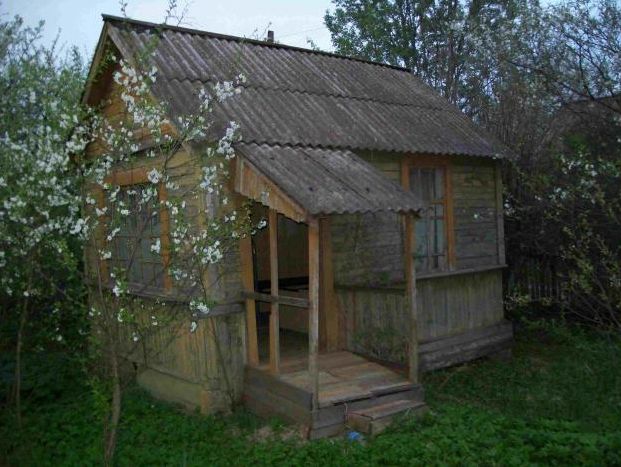
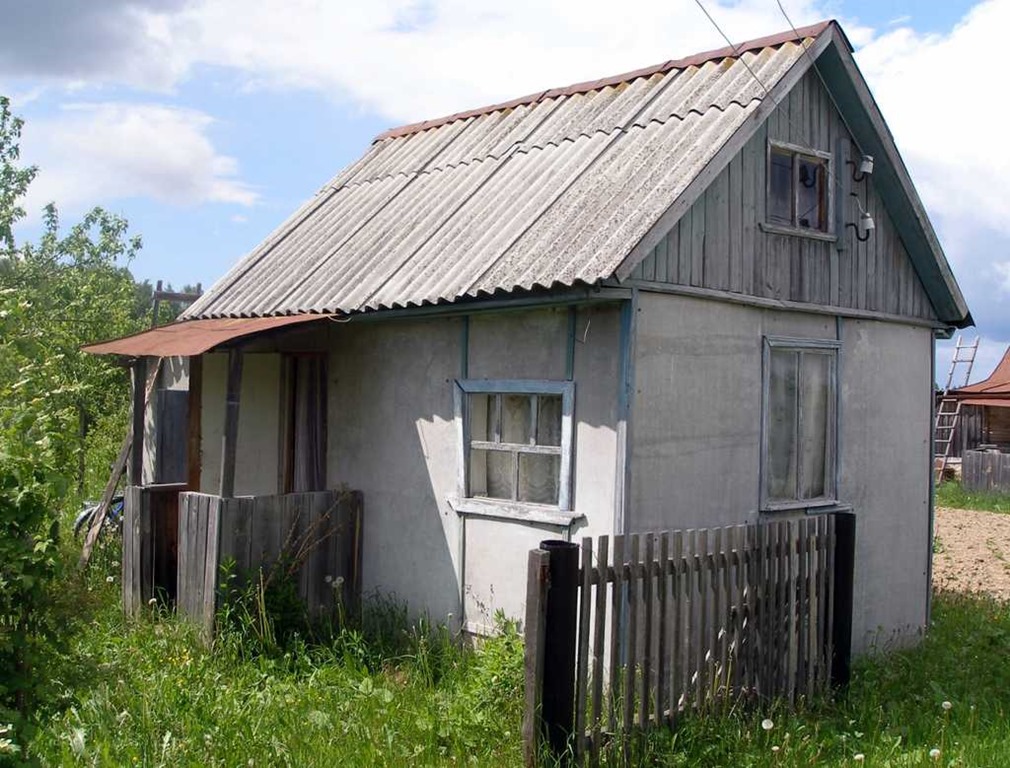
As for dachas, those were also not limited to the Communist elites. That said, a lot of people think of dachas as actual suburban houses (which was true for some, especially the aforementioned elites), while in reality a lot of them were no more than shacks or very small summer houses made out of plywood, with no electricity or running water. You had to get a permission for one (which could take a while as well), and you would usually be allocated somewhere between 600 and 800 m^2 of land in a special zone which formed a small village or a settlement. While there were building codes that mandated what sort of stuff you could erect there, they were often ignored and many of those "dachas" were really quite unsafe. In different times the permissions were granted for different reasons (mostly "gardening" for you to grow food) and may or may not have allowed for the construction of any actual housing on the land.