The AskHistorians Podcast is a project that highlights the users and answers that have helped make /r/AskHistorians one of the largest history discussion forums on the internet. You can subscribe to us via iTunes, Stitcher, or RSS, and now on YouTube and Google Play. You can also catch the latest episodes on SoundCloud. If there is another index you'd like the cast listed on, let me know!
This Episode:
Antonio Curet, archaeologist and curator at the Museum of the American Indian, in Washington, DC, talks with us about the Taíno civilization of the Greater Antilles. (99min)
Questions? Comments?
If you want more specific recommendations for sources or have any follow-up questions, feel free to ask them here! Also feel free to leave any feedback on the format and so on.
If you like the podcast, please rate and review us on iTunes.
Thanks all!
Previous episode and discussion.
Next Episode: /u/400-Rabbits is back as host!
Want to support the Podcast? Help keep history interesting through the AskHistorians Patreon.
Quick comment to add some explanations of terms or links to images of things we referenced in this episode:
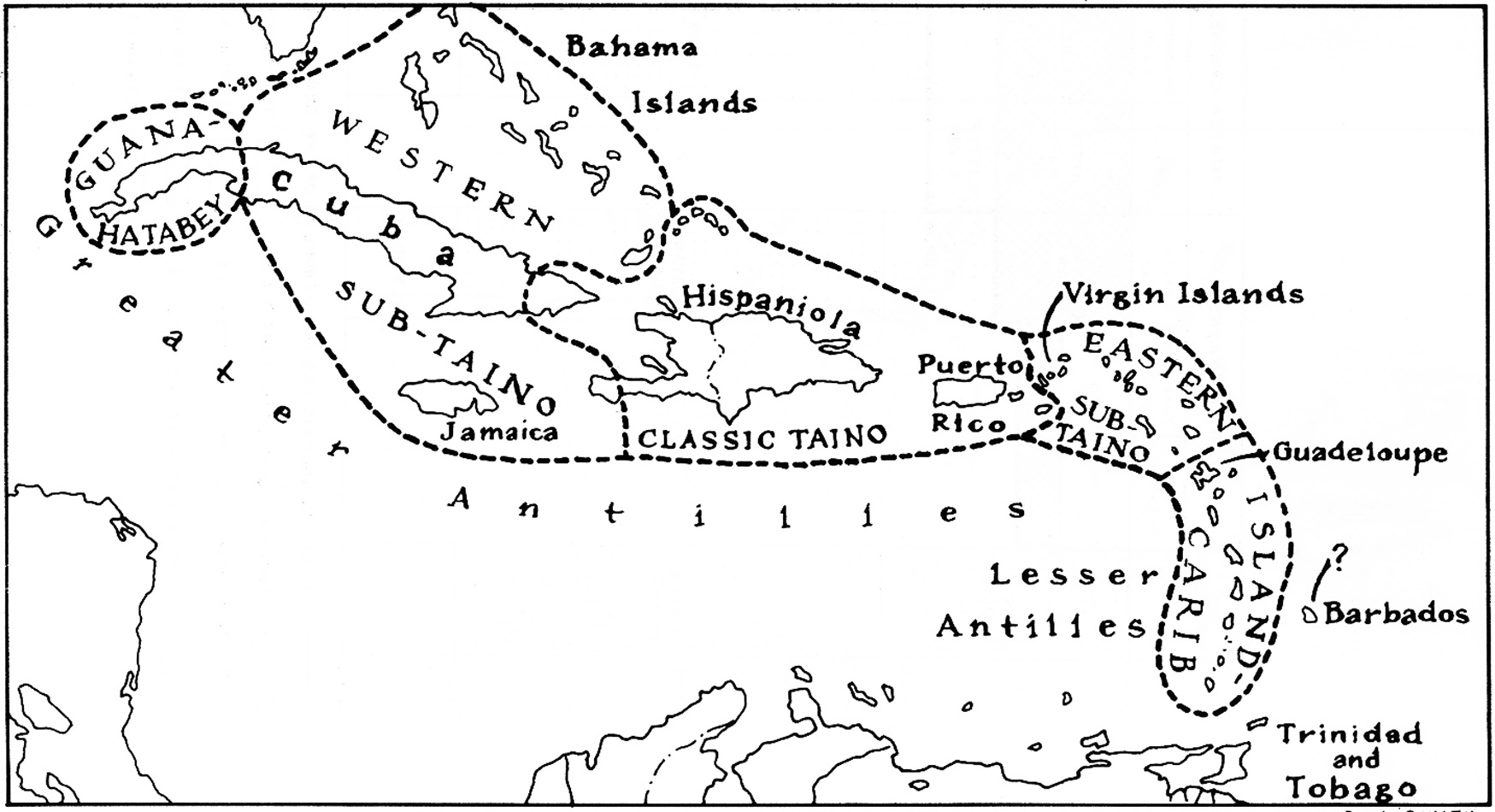
The main indigenous group discussed are the Taino, who populated the Greater Antilles (the larger islands in the Northwestern Caribbean). Other groups referenced are the Siboney and the Guanahatabey, who lived in Central and Western Cuba respectively.
Here is a map with somewhat out of date terms and classifications, but which roughly illustrates the area populated by the Taíno.
Here is an image of the Maguey AKA 'Century Plant' AKA Agave Americana. Note from Professor Curet: "Maguey or Agave plants used by indigenous people of the Caribbean as a source of fiber for ropes and twine."
Here is an image of Enriquillo, leader of an indigenous uprising in the 16th century. Note from Professor Curet: "An artistic representation of Enriquillo a native leader of a resistance group from Hispaniola in the early colonial period. His group was never defeated by the Spanish, who were forced to sign a treaty conceding some benefits to the rebels."
Here is a reproduction of an indigenous bohío (large hut) at the Chorro de Maita Museum in Holguin, Cuba.
Here is an example of Taíno pottery. According to Professor Curet, these are "from Puerto Rico, most of them belonging to the Saladoid period (300 B.C.-AD 1000)."
I have been looking for a history podcast for a while. Definitely going to give this a listen.
I greatly enjoyed AHP_085, as with virtually all the rest of the podcast, to which I have listened since the 1st episode. (Oddly enough, AHP_001--on Julius Caesar--sucked, but AH has been mostly excellent since then.) That being said, I have no training as a historian, so I'm not much of a judge.
That being said, one thing seemed odd to me--the spatial extent of the episode is the Greater Antilles, yet there was no discussion of either Jamaica or the Caymans. As in, literally nothing--did I miss something? If so, what?
If not: while I'm no Anglophile, my impression is that Brits typically at least amateurishly puttered-about archaeologically everywhere they went. Were they just not interested in their Caribbean? (And in the case of the Caymans, I should be using the present tense, since it's still a BOT.)
Enjoyable and informative, even if my concept of there being a "Taino" people was smashed rather thoroughly.