Also, after the war ended, what was done with all the leftover items taken from the camps? We see huge piles of glasses, shoes, clothing, etc. Was this all just tossed or burned?
I'll start with the the part of this question that is easier to answer: What happened to the left-over items?
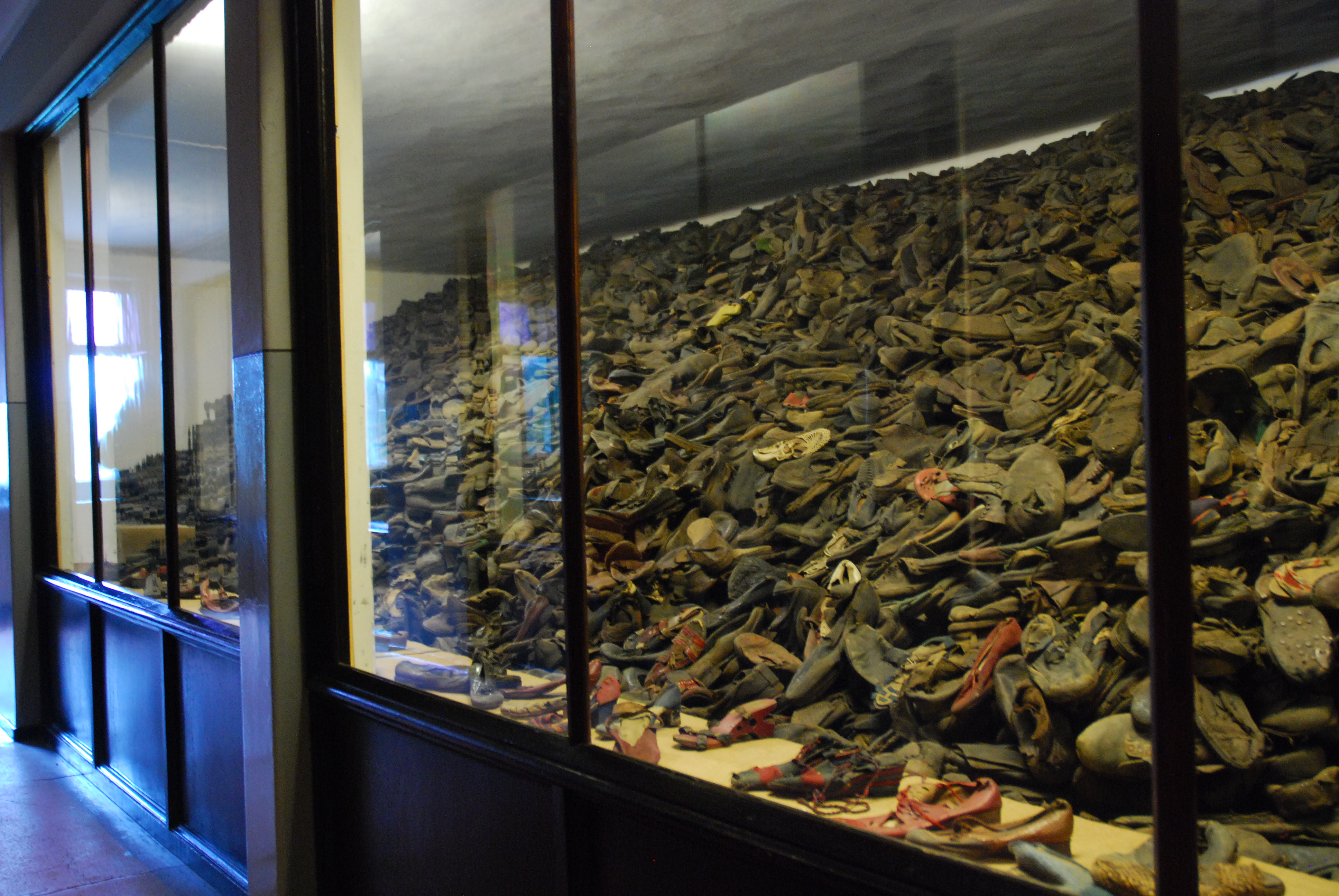
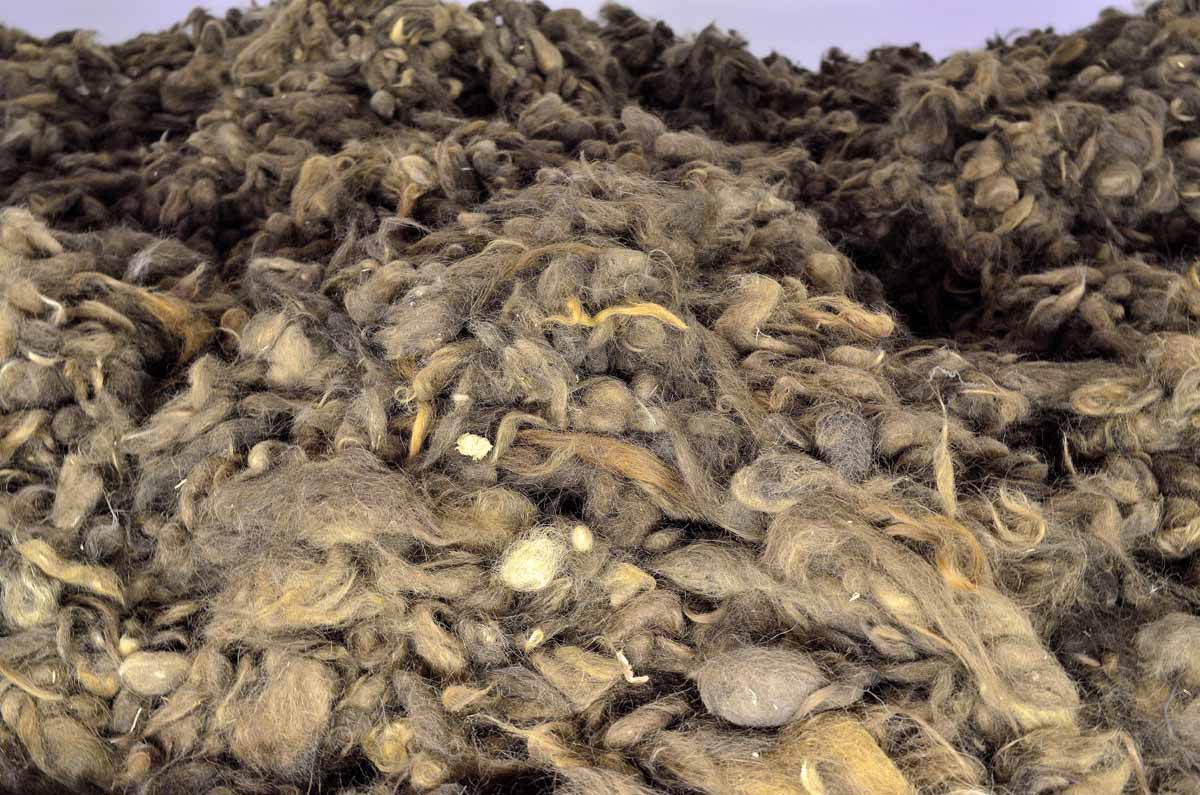
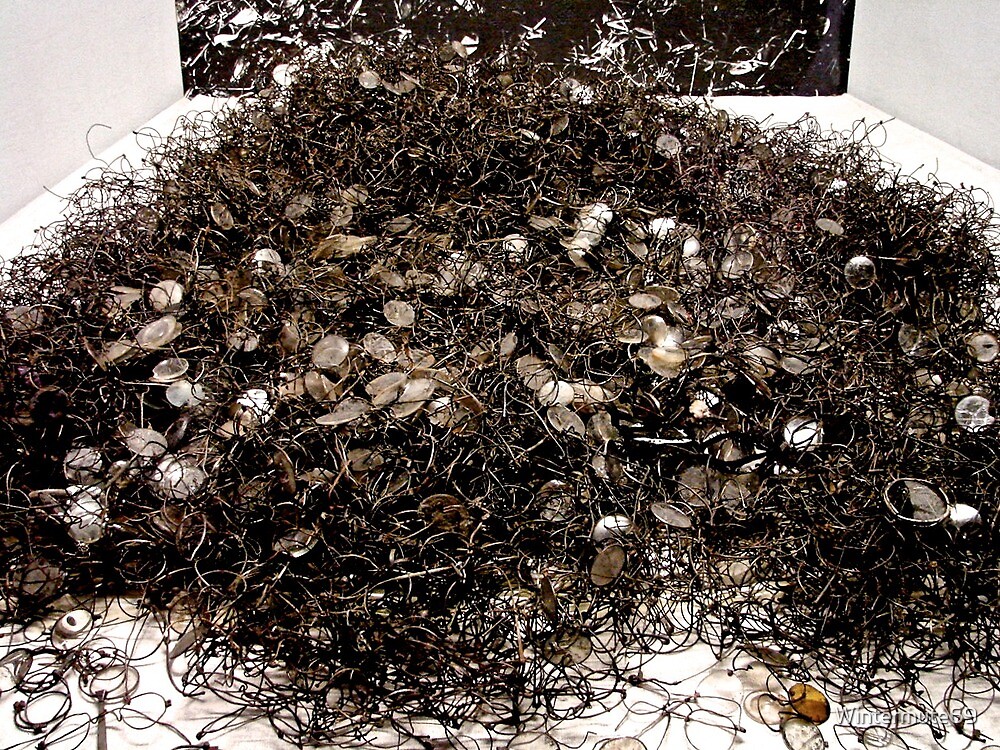
For the most part, these items still exist and are still used as displays at various memorial sites. Here is the display of shoes in Auschwitz e.g. A similar display of shoes exist in the Majdanek camp where from the United States Holocaust Memorial Museum has some of them on loan to display in Washington DC. The hair also is still on display at Auschwitz as are glasses as are in Washington e.g. various pieces of luggage, also from Majdanek I believe.
Most of these items left over stem from either Auschwitz or Majdanek (both places where Night and Fog was shot) for a couple of reasons: Majdanek was the first camp liberated in June 1944 and Auschwitz too was liberated comparatively early to other camps in January of 1945. It is also where the Germans evacuated most prisoners to other camps in the Reich, meaning that in Auschwitz, despite its history as a vast camp complex, the Soviets liberated only 8000 prisoners, most of them very sick or dying at that point. At the same time, the camp administration didn't have the time to destroy the infrastructure of these two death camps – making them the only death camps liberated with prisoners in them and infrastructure still intact (the camps inside the Reich served as concentration camps while Auschwitz and Majdanek were concentration and death camp hybrids).
Because there were only so few prisoners in these camps, many of these remains remained untouched there. Unlike in the Reich where concentration camps were filled to the brim with prisoners evacuated from somewhere else who made quick use of what was present in the various magazines of these camps.
After liberation, the Soviets put these artifacts on display as a powerful reminder for the scale of the Nazis' murder program. Unfortunately over time, these artifacts deteriorate (the hair turns gray/brown and the shoes were not properly cared for for many years, basically being left in the open, which explains why they look so destitute now). So, in short, the items found – if they weren't used by former inmates after liberation – are today the property of the various memorial sites who keep them for displays in their exhibits. The memorial site in Auschwitz e.g. still has in its possession about 7000 kg of human hair, which was discovered by the Red Army upon liberation. The USHMM also received hair from the Majdanek memorial site but they decided against putting it on display for reasons of piety and respect towards Jewish victims (especially Orthodox Jews have strict rules about hair and the Jewish religion generally mandates that bodies be buried as complete as possible).
Now as to the second part: The question if people knew their clothing was made from hair from concentration camp inmates is a bit more tricky to answer because we know very little about its actual use.
We know for a fact that in January 1943, the SS Economic Administrative Main Office (WVHA – the SS office in charge of administration of the camps) ordered that "The prisoner's hair is to be sent to Alex Zink, Fur ["Filz" in the original, which translates better to felt] Manufactures, Ltd., Nuremberg. The company will pay 0.50 marks for every kilogram of hair. (...) [T]he hair of concentration camp prisoners is to be put to use. Hair is to be made into industrial felt or spun into yarn. Woman's hair is to be used in the manufacture of hair-yarn socks for 'U'-boat crews and hair-felt foot-wear for the Reichs-railway." Translated Source of WVHA Directive of January 1, 1943; Bundesarchiv NS 3/386; printed in IMT, Vol. XX, Nurnberg 1947, p. 137
From this document as well as shipping documents that document that at least 10 000 kg of human hair were sent to Alex Zink, Felt Manufacturer in Roth, Bavaria from eight concentration camps (not included Auschwitz) as well as the receipts for 0,5 marks for every kg kept in the Bundesarchiv in NS 3 we can say for sure that the hair was sold and delivered to the Alex Zink company.
What we don't know, unfortunately, is how Alex Zink Company actually used the delivered hair. Alex Zink Company went bankrupt in 1973 and the whereabouts of its archive are basically a mystery. It isn't even clear if the archives still exist and if so, where they are. There is in fact, a very good chance they were destroy went the various company assets were sold off to its creditors. I mean, who knows, maybe one of the former employs took all the pertinent stuff home with them (it has happened before) but we just don't know.
Alex Zink originally specialized in making fur clothing, felt slippers, and carpets, so they might have used it for that too. It is also possible that they sold it to other companies who also used hair for textile products. As The Telegraph reported in 2009 German auto parts manufacturer Schaeffler was heavily criticized because of the allegation that "1.95 tons of human hair – "it was shaved from the heads of the victims before they were gassed" – was found in a Schaeffler textile factory after the war ended" and when the company still operated under its old name Davistan AG. The owners of Schaeffler have denied this vigorously even after they had admitted to using forced labor from civilian forced laborers and concentration camp inmates alike during the war.
So far, I have been unable to find any mention of this in the pertinent literature for either Reich-Railway personnel or Germany submarine personnel. It is possible that like with the soap made from inmates' fat (which happened on a very limited scale), there were rumors among the German populace concerning this but it is impossible to say for certain if those who used the products manufactured from inmates' hair knew where it came from.
Sources:
Andrzej Strzelecki, "The Plunder of the Victims and Their Corpses", in The Anatomy of the Auschwitz Death Camp, 1994.
Peter Zinke: Alex Zink Comapny. In: Beiträge zur deutschen und jüdischen Geschichte, Nürnberg 2002.
B. Schmidt: Geschichte und Symbolik der gestreiften KZ-Häftlingskleidung, Oldenburg 1998.
Yisrael Gutman: Anatomy of the Auschwitz Death Camp.