I was playing World of Warships and noticed all of the USN cruisers T6 and above did not have torpedoes at all with the exception of the Atlanta-class. I initially believed it was for balance reason, but was surprised to find out they actually did not possess torpedo tubes. Why was that?
It comes down to the acquisition priorities, and doctrine of the USN between the wars. Will try to tie it into WoWs to help make it clears.
But to touch on the first part being doctrine. The USN didnt want its cruisers, espeically the heavy cruisers, to be getting into close quarters fights. They were relatively few in numbers, and had only begun to be procured in the late 20's, with 18 in commission before the war(including the Pensacola and New Orleans and in between classes). These were meant to serve in pairs or alone as long range scouts of the fleet. To spread out ideally with a carrier as well into the wastes of the Central Pacific to find the enemy and track him till other units could concentrate. To close into gun range, let alone torpedo range was to risk the valuable scouting role of the ship.
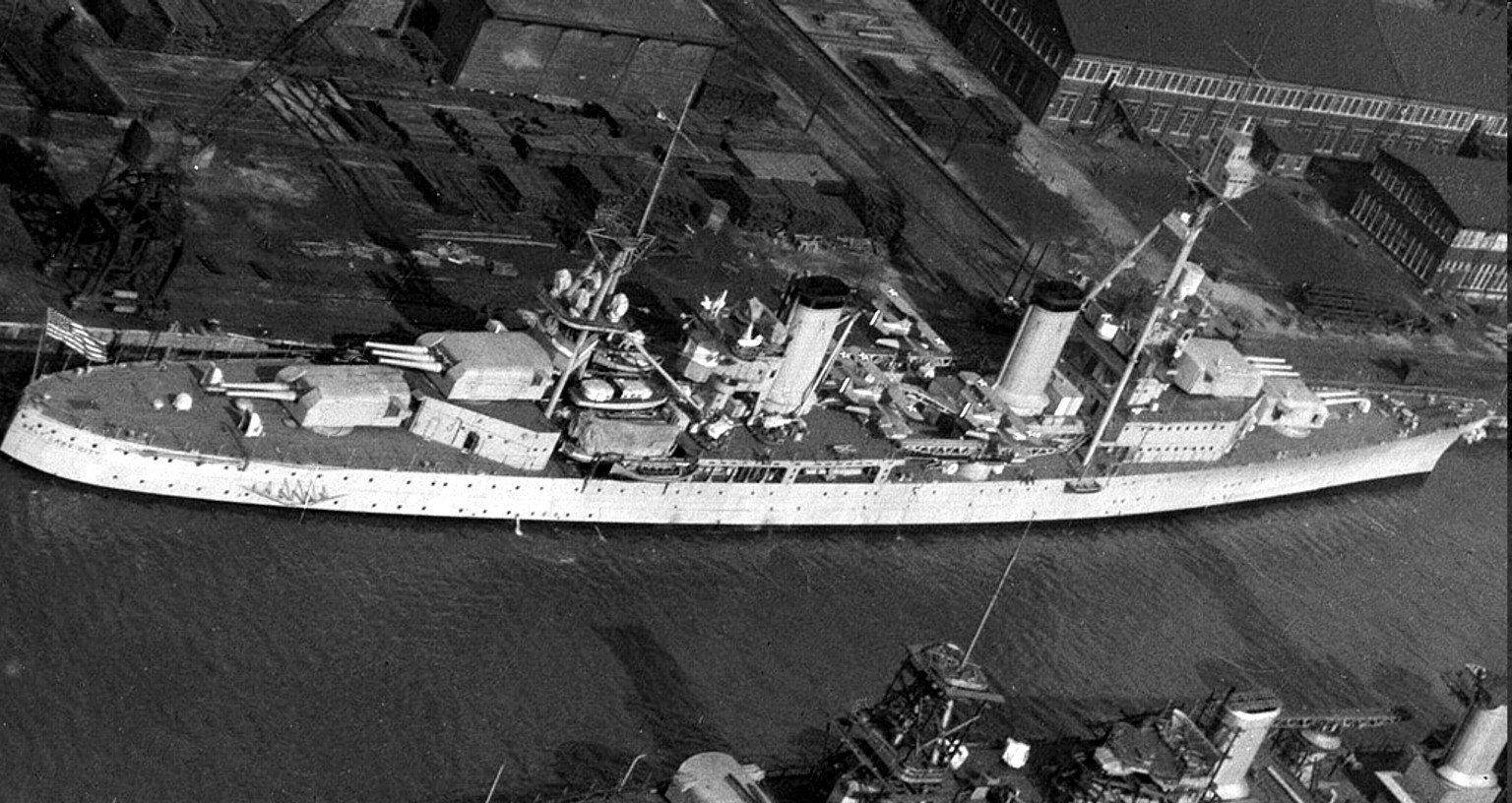
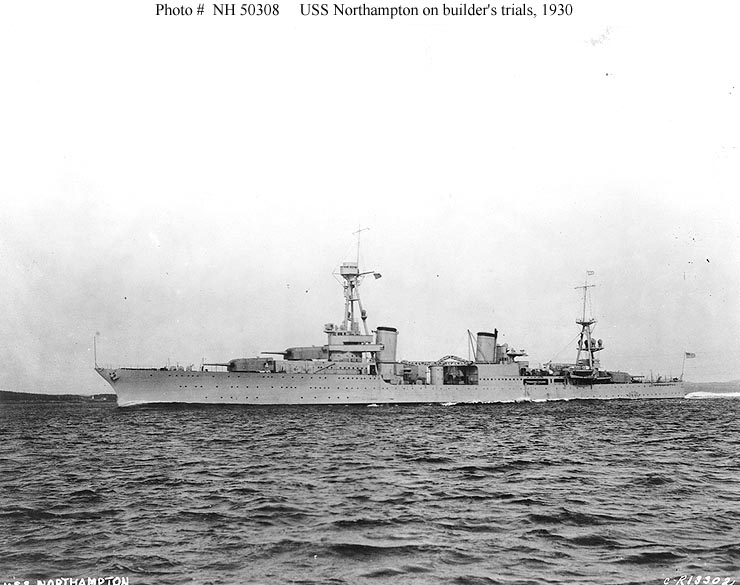
That said the Pensacola's and Northampton's were built with tubes! You can see them on Salt Lake City here just forward of the catapult slightly covered. And here on Northampton just aft of the second funnel. But they were deleted from follow on classes. So ideally if there was a true A hull they might have added them, but that would be an unfun mechanic to have them and then lose them
The Navy then took a few years off building heavy cruisers as they had hit their treaty limit and based new light cruisers off the designs their CA's had evolved into. These ships would help bolster the screens of task forces, and the numerous gun heavy IJN designs. But one thing they werent going to ideally be doing was leading a division of destroyers into battle, hence again the desire to stay out of torpedo range. 9 ships across 2 classes were in commission before Pearl, with new hulls of the Atlanta, Cleveland, and Baltimore classes all under construction.
That destroyer leader role then was still filled in large part in the interwar navy when most of these choices were made by the 10 Omaha's the Navy had which from 1923 when Omaha was commissioned to 1930 when P-cola entered service were the ONLY modern cruisers the US had. But the design was ill suited for true scouting work in the vast Pacific, and was not desirable for independent duty either and rather undersized to boot. So they were quickly accepted as just being the focal point of destroyer units, which from 1919 to 1934 were ONLY the Clemson and Wickes classes! So the Navy was ok retaining their torpedoes since they would operate mostly with the destroyers to begin with. The Navy also used the provision of the London Naval treaty to build a dozen larger destroyer leader designs which would become the Porter and Somers classes. At 1850 tons they could also serve the purpose of CL's in other navies in leading torpedo attacks. Also by this time the role envisioned for the cruisers of both types for the US was very defensive in nature, to guard more important ships not necessarily go charging off at the enemy like the IJN planned for its small combatants.
While in general the USN as a rule was a very 'gun over the torpedo' surface force, and to fight at the max range possible and work on superior gunnery at the further practical range, well outside torpedo ranges they believed possible for the IJN which was a known focus of their adversary. The one real concession was that when the newer cruisers had their tubes removed to allow for more AA, the Gridley class of destroyers was approved with a USN record at the time of 16 tubes in 4 quad mounts.