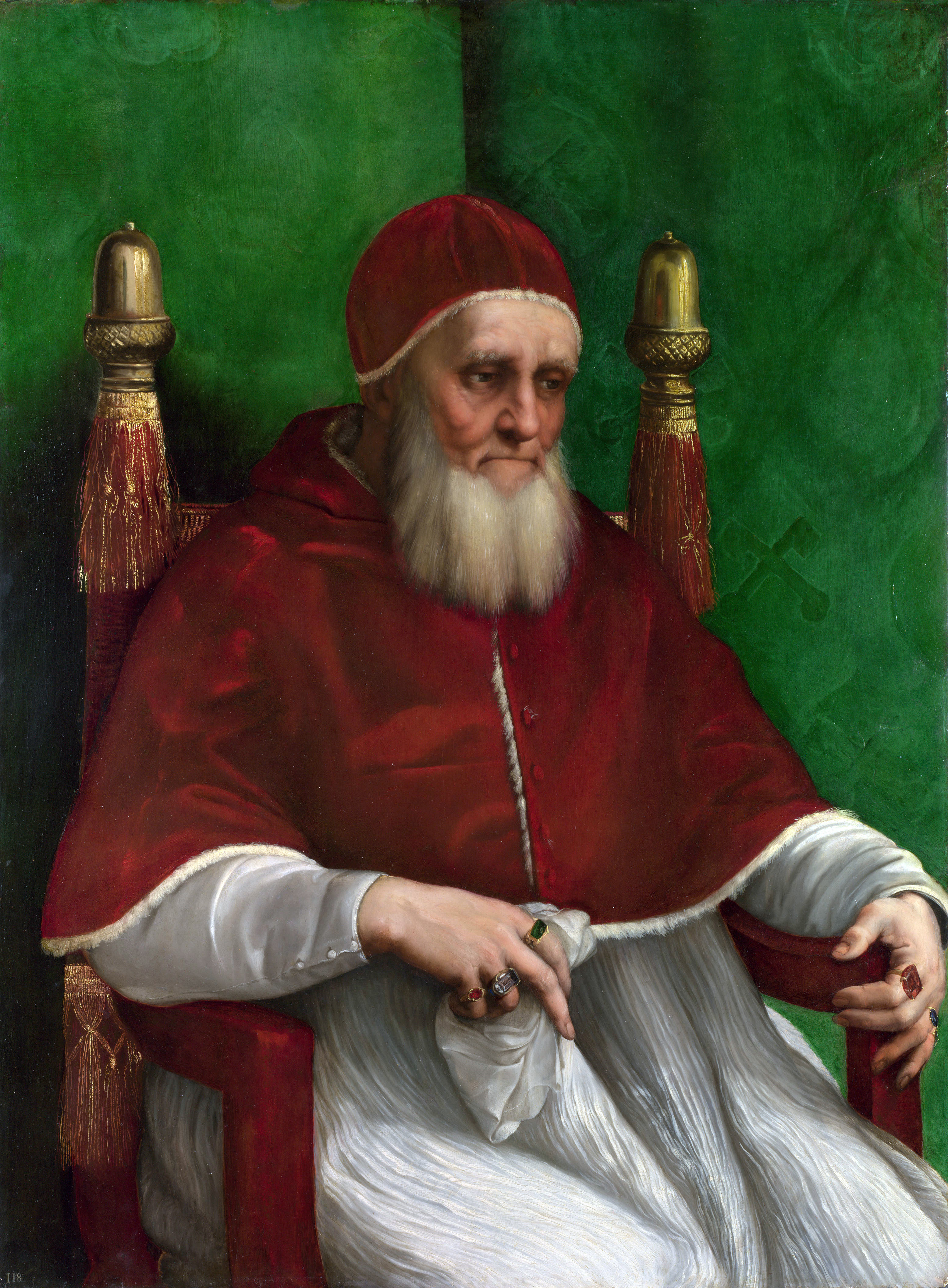
This is an intriguing and also delightfully gross question! I have never seen any scholarship to suggest sanitary repercussions for "kissing the ring", either with the Pope specifically or in a feudal context generally, but in the specific case of "the" Papal ring -- the "ring of the fisherman" -- the relatively short lifespan of the ring itself depending on the lifespan of the specific Pope and the materials of its construction may explain that. Each such ring, due to symbolic reasons and its practical functions as a personal seal for the presiding Pope, is removed from the Pope's corpse and destroyed upon the death of that Pope to prevent complications like forgery. The construction of other papal rings may vary in accordance with each Pope's individual tastes and prevailing historical fashions (any given 16th century Pope likely wore more jewelry than any given 20th century Pope, for instance -- check out Raphael's portrait of Pope Julius II, wearing six rings) but each successive ring of the fisherman may only be worn under ceremonial circumstances (again, depending on the prevailing taste of the pontiff in question) and may even be worn over gloves. In addition to day-to-day attention given to precious-metal jewelry and any bacterial resistance inherent to the ring's materials (typically gold) even the sickest person to appear before the Pope and kiss his ring isn't likely to be bestowing a wet, sloppy kiss before the next guy takes his turn. So there's some risk of transference of germs between people paying their respects, as well as between Pope and ring-kisser, but in practical terms, relative to other transmission routes for germs and viruses (breathing the same air in an enclosed space, coughs and sneezes, kissing the more porous material of the shoe on the Pope's foot, etc.) the risk seems negligible. In historical terms I have yet to see even a small disease outbreak attributed to specifically this ceremonious transaction.
By at least the Early Modern era, it was accepted that objects handled by sick people were capable of transmitting contagion, even if the exact mechanism of that wasn't known -- you'll get dying priests locking themselves in their rooms and giving detailed accounts of what they handled in their last hours so no latecomers will contaminate themselves by handling a prayer-book or a set of keys, for instance. It seems reasonable that contemporaries of the ring-kissing phenomenon's golden age might have understood that prolonged proximity between a sick person and the Pope, or a well person kissing a sick Pope, might transmit disease. The Pope's own state of illness or health during the Renaissance and Early Modern era would have been a matter of public concern and knowledge. But whether they valued the religious transactions of such audiences and gestures over the individual risks, I can't say.