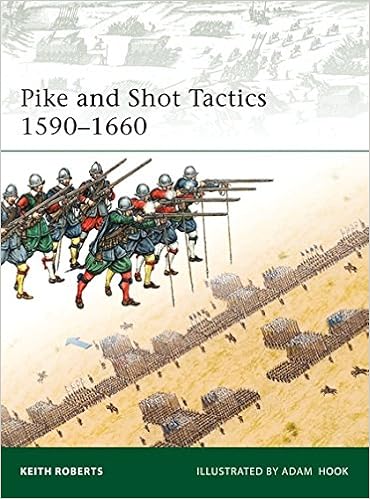
You might be interested in this previous post talking about the development of the musket over the course of the 16th and 17th centuries.
Essentially, the term "Musket" at some time in the 16th century came to refer specifically to the largest small arms, which typically weighed around 20 lbs and required a forked rest to support the barrel's weight while firing. Smaller matchlocks continued to be called "arquebuses" for the most part and were sometimes fired from a forked rest to improve accuracy, but it wasn't necessary.
Actual muskets for the most part remained a minority of the firearms carried by infantry until the early 1600s. Around this time we also see a language shift among start to occur England. During the second half of the 16th century a group of soldiers including both arquebusiers and musketeers would typically be referred to as "arquebusiers" in general, but in the 17th century almost all foot soldiers with matchlock firearms started being known as "musketeers" whether they needed a forked rest or not. By the 1660-1670s the typical musket had become light enough that many armies were ditching the musket rest completely due to being more hassle than it was worth.