I was just talking to my brother about his trip to Paris, and he commented on how there were many great restaurants (of course). He said that these restaurants not only featured French food, but also represented regions France had colonized in its history (North African, Vietnamese, etc.).
I jokingly asked him if there were any good Native American restaurants, but then I wondered if and how Native American cooking traditions made their way to other cultures and cuisines during the age of colonialism. Are there any food traditions that we see today around the world in countries that occupied North America and interacted with Native Americans?
Many of the foods eaten today in Mexico have their roots in pre-Columbian indigenous cuisine. Mexico is, after all, a part of North America. Everytime you eat a taco, a tamale, a bowl of pozole, drink hot cocoa, add chili powder or fresh chillies to a dish, eat popcorn or corn on the cob, and drink a shot of tequila you are consuming Native American foods and cooking traditions.
If you like, you can check out some previously asked questions on Mesoamerican cooking that I have answered.
What did the average meal look like in the Aztec and Inca Empires?
How did they make hot cocoa–or any other kind of chocolate–before 1492
What kinds of alcoholic beverages did the Native Americans/First Nations consume?
Do we have recipes for the fermented chocolate drink favored by the Maya?
And you may also be interested in these two other topics
What was Native American cuisine like before the Europeans invaded? by /u/RioAbajo
What do we know about Native American cuisine? by /u/ThucydidesWasAwesome, /u/retarredroof, and /u/MirandaTheSavage
I know this doesn't answer the question you asked here, but I think you would be interested in an earlier post of mine:
"Native American" is a pretty broad term, so I'll restrict my discussion to Southeastern Natives and Mississippian Peoples.
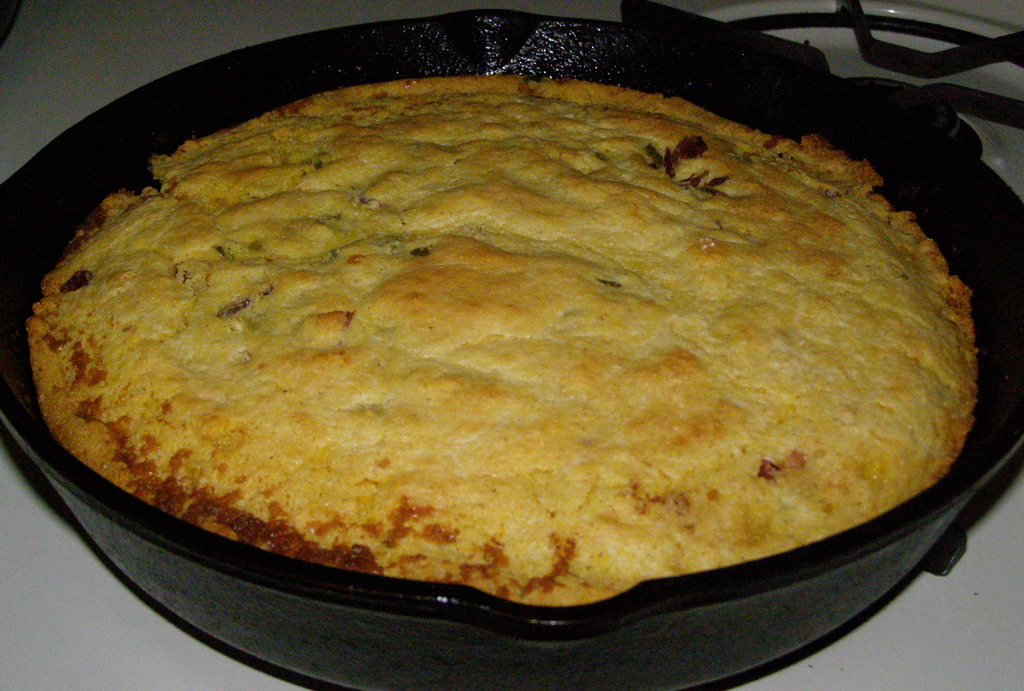
The most pervasive aspect of Native American food culture in modern American cooking would have to be corn maize. "Corn" was originally a general British term for grain that came to be almost exclusively identified with maize in the USA and Canada. European settlers usually described maize as "Indian corn." Maize was one of the "three sisters", along with beans and squash, that formed the bedrock of Algonquian and Iroquois diet. Maize present in some form in nearly every North American culture. While corn could be consumed raw or roasted, Natives frequently ground maize into meal and used it to make what we now identify as cornbread.
Originally, Europeans despised "Indian bread" as a poor-man's food and a poor substitute for wheat bread. It maintained a strong present in American agriculture despite this stigma (which it eventually overcame) because of low costs and abundant yields on maize. It was especially popular as a source of food for African slaves because corn bread was very calorie-dense and filling on top of being very cheap.
While corn and cornmeal has entered the American diet from several different angles (corn-on-the-cob, maize tortillas, etc.) its strongest impact is on soul food and Southern food culture. Black Americans did not abandon cornbread as a staple of their diet after Emancipation and retained a very strong presence in soul food culture. Southern (as in former Confederate) Americans also maintained a strong culture of maize cultivation and consumption for similar reasons (cheap, abundant, highly flexible). As a result, cornmeal is ubiquitous to Southern cooking. This manifests in a number of ways, such as simple cornbread, using cornmeal in the bread batter for fried foods, corn grits as a staple breakfast food and side-dish, corndogs,etc.
Sources:
Histories of Maize: Multidisciplinary Approaches to the Prehistory, Linguistics, Biogeography, Domestication, and Evolution of Maize, by John E. Staller and Robert H. Tykot
The Story of Corn, by Betty Fussell
Does barbecue count as a native American cooking tradition? If I remember correctly, it originates from the Caribbean.