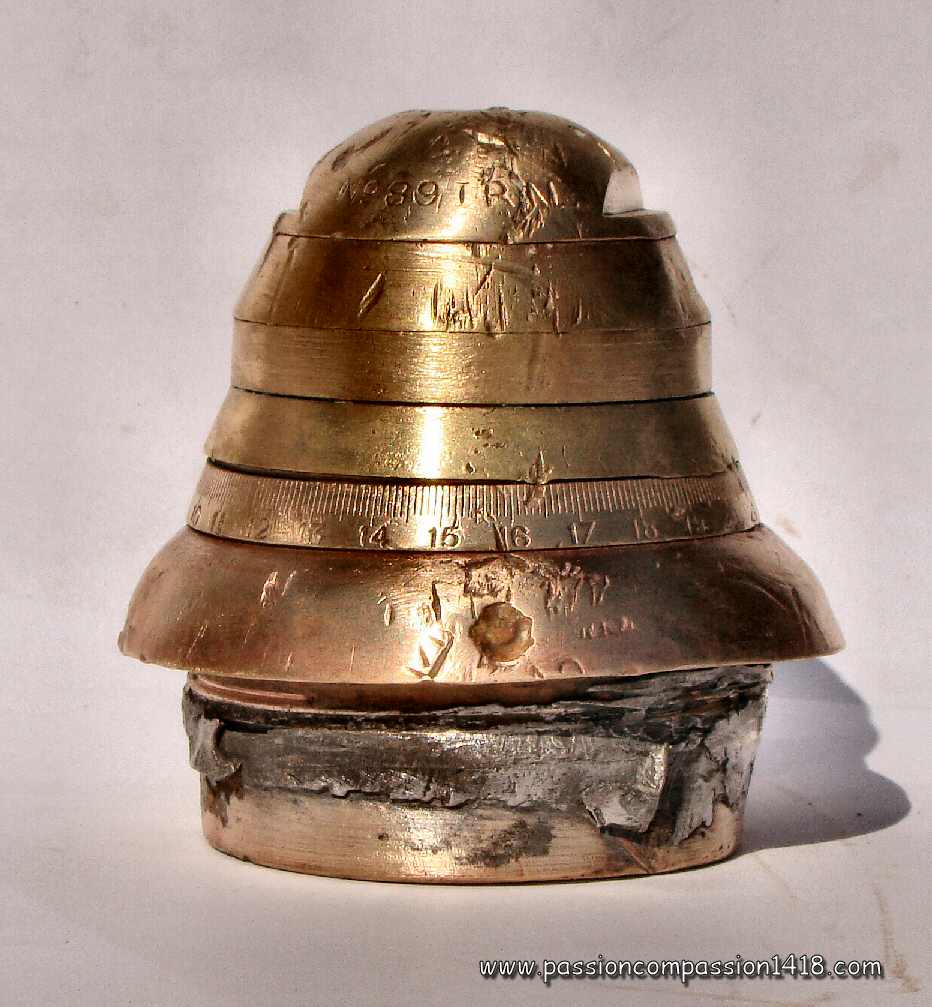
In “Storm of Steel” by Ernst Junger, he frequently mentions the diverse and strange sounds made by incoming artillery fuses. What exactly was he hearing?
Before the advent of sophisticated sensors, artillery shells had three primary mechanisms by which they are triggered: direct, graze and delay. Direct fuzes are triggered by impacting something hard. They are really good with rocky ground, buildings and vehicles. But the Western Front had a large amount of mud, so direct fuzes didnt always go off when impacting the ground (a real problem for post-war construction...). Because of this graze fuzes were also used, they have a more sensitive percussion cap and will go off if the round is substantially halted or slowed after being armed.
Both of these fuzes have the same problem though, they dont make much noise and whatever noise they did make was drowned out by the then triggered artillery shell. Thus, it is most likely that he was hearing and describing the mechanisms driving timed fuzes.
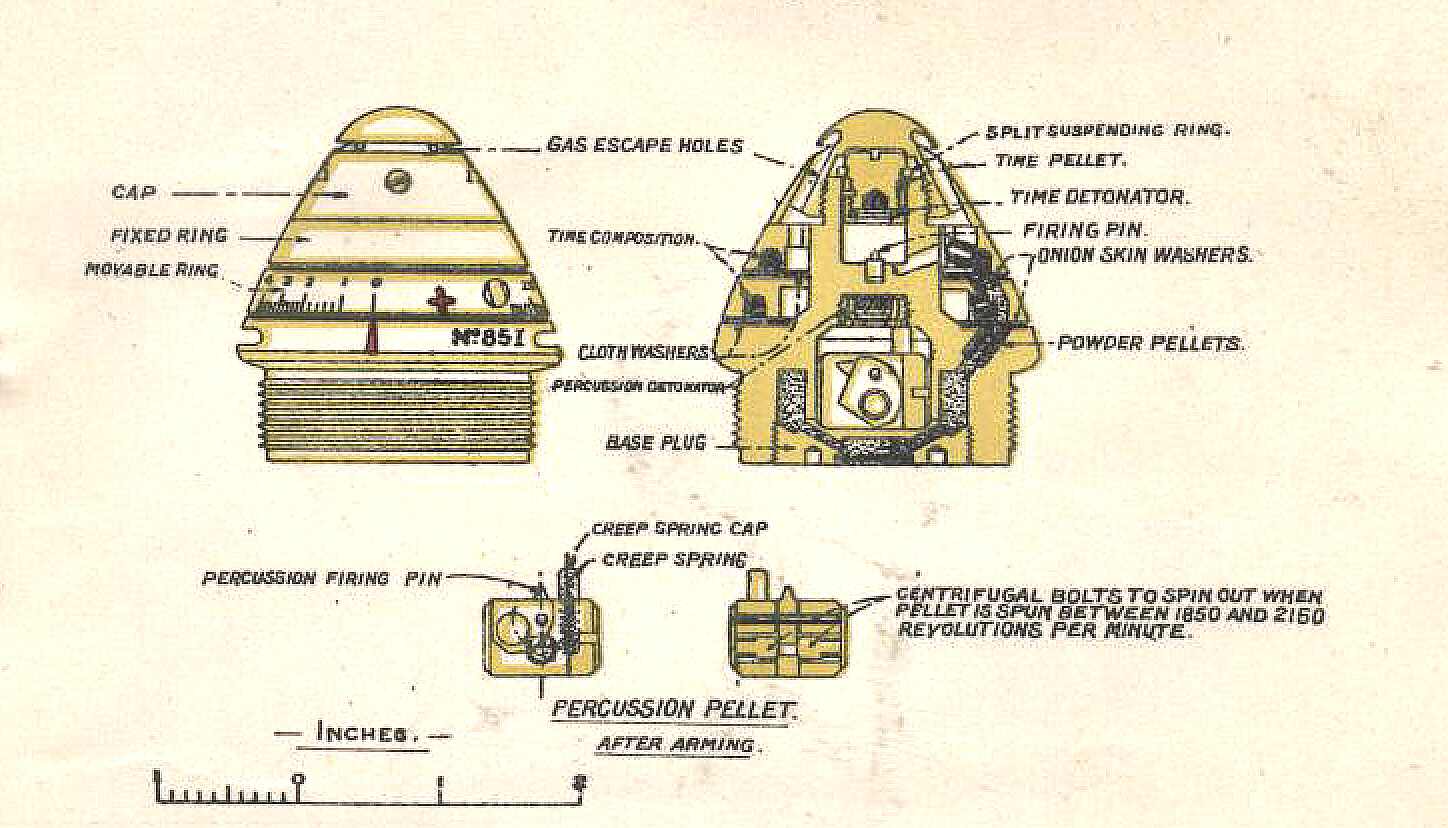
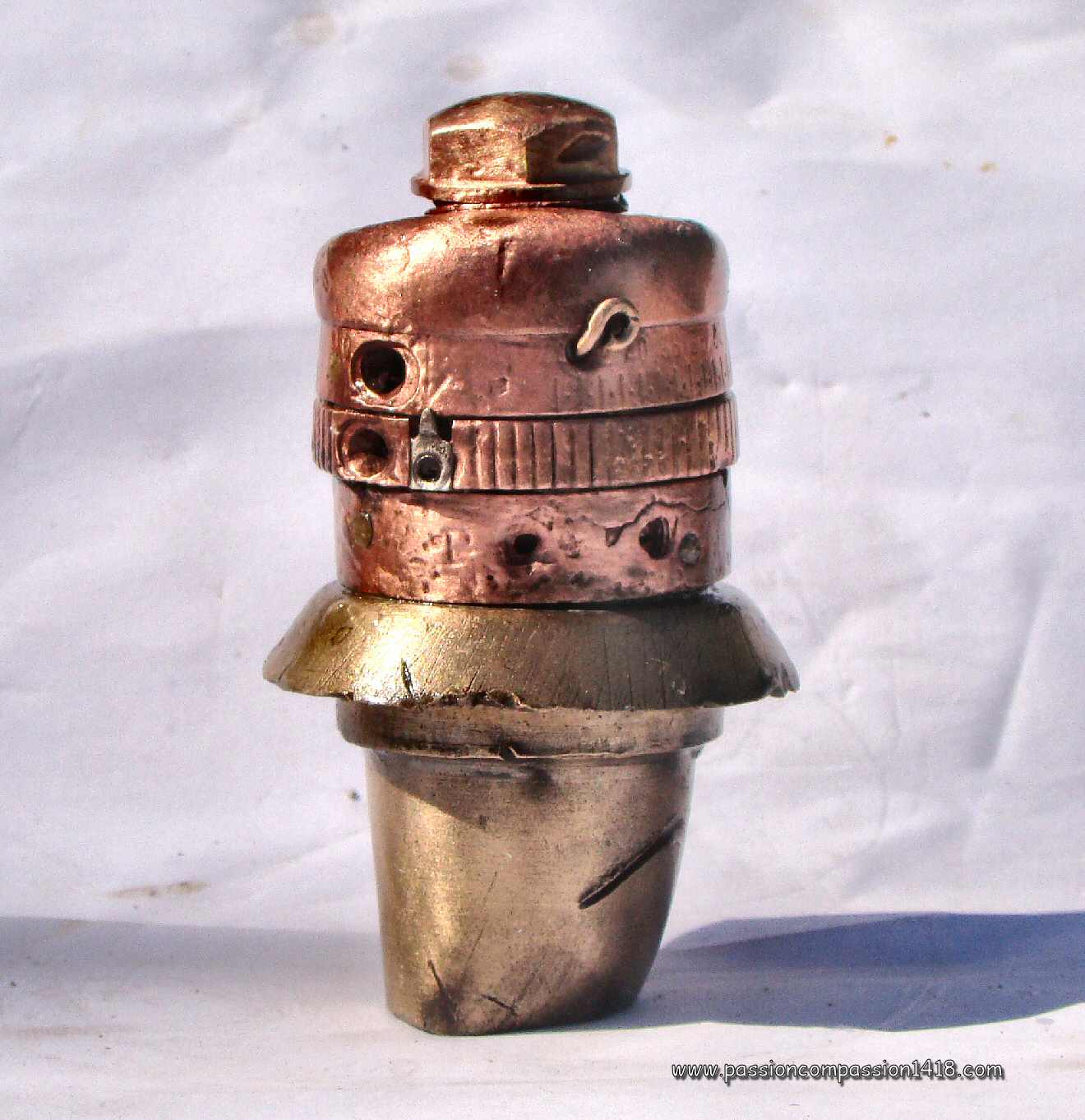
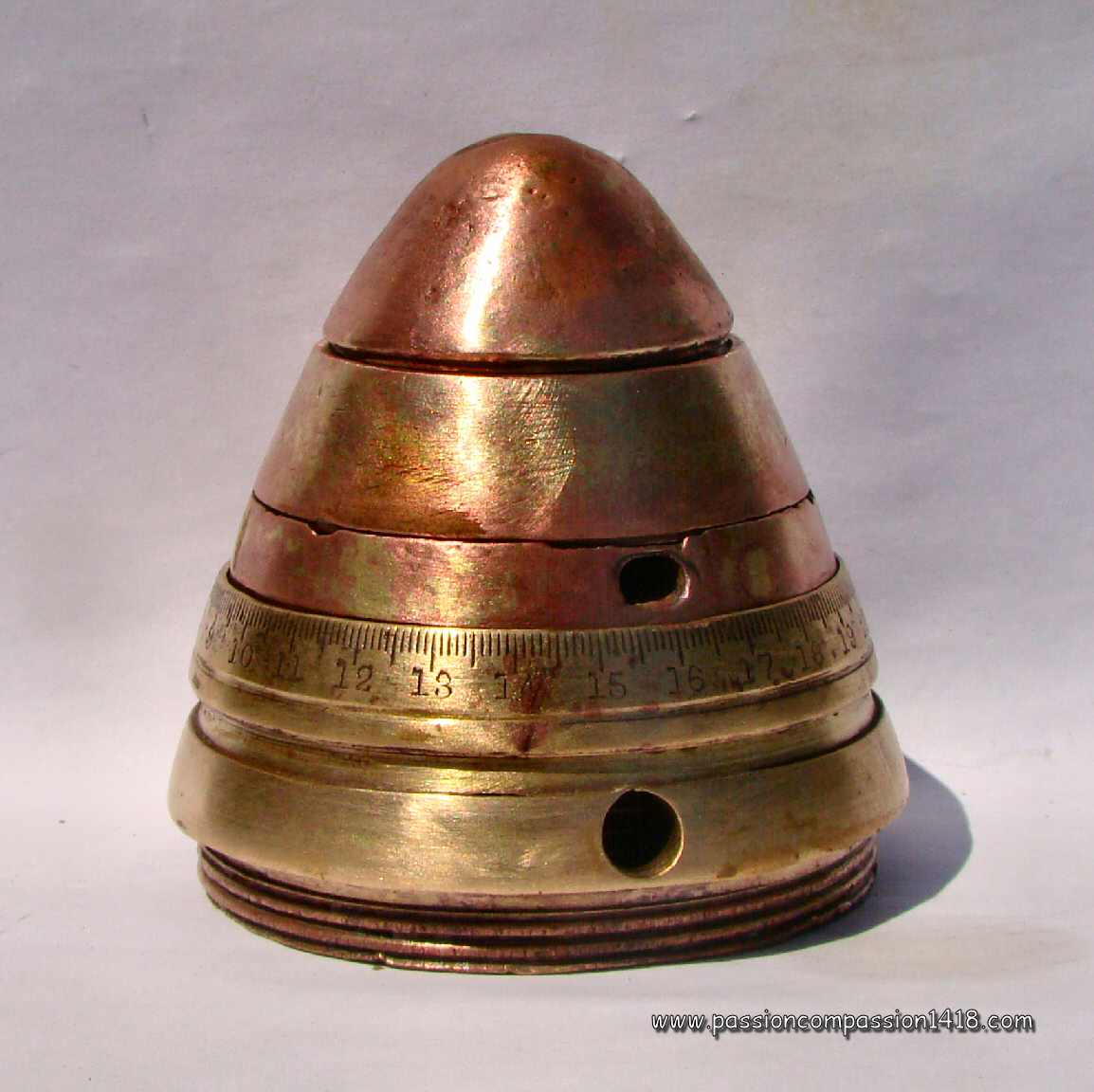
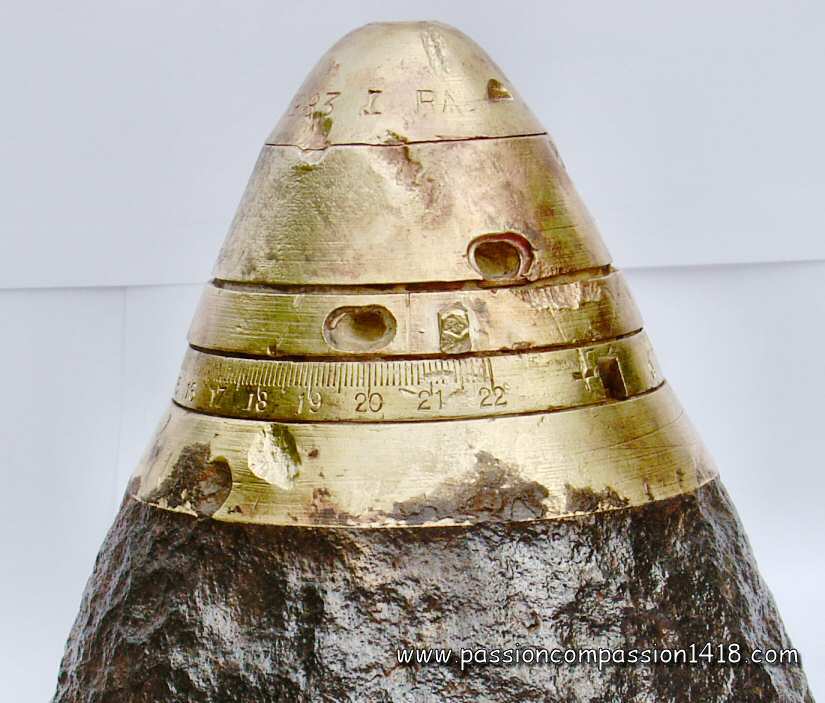
There were a variety of timed fuzes utilized in the war by the allied forces. But lets focus on the British who had a surprising variety of fuzes in action at the time. Most timed fuzed operated on a spring driven mechanism, not at all unlike a kitchen timer, which rotates a dial of powder into a channel which can then be ignited to trigger the shell.
The No.s 65 and 65c, the No. 80, the No. 83 and the No. 89 all worked on some variant of this mechanism.