After Alexander conquers the country, we'll see 3 centuries of rule by a Hellenistic dynasty, followed by time as a Roman province. Here are the most UNEXPECTED WAYS EGYPT IS GOING TO CHANGE
Experts Say We’ll All Be Speaking Greek
A lot of people are talking about how being multilingual is the only way to get ahead in the ancient world and studies have shown that they're actually right. Demotic Egyptian isn't going anywhere fast but Greek is rapidly becoming the language of business. This is partly to blame on having a dynasty of Greek Pharaohs followed by integration into the (heavily Greek speaking) Roman Empire but the world of pan-Mediterranean business is also influencing this shift.
Greek is the language known to Syrian mercenaries, Greek merchants and Roman soldiers in the East. It’s basically the lingua franca before the phrase is coined. Egyptian scribes are virtually all bilingual these days and Demotic Egyptian is expected to disappear from official documents under the Roman period. Not only will being able to navigate in an increasingly Greco-Roman environment be important in business but it might also help step up your dating game. Studies have shown that Egyptian women appreciate a man who's able to translate Greek letters and documents for them. Maybe all that time spent memorising “unrealistic” elegiac love poetry wasn’t wasted after all.
Crown Policies Are Flipping The Real Estate Business On Its Head
Egyptian real estate is expanding. Literally. Ptolemaic land reclamation projects are stretching the borders of farmland to include even the Uninundated Lands. You heard me, even the land not flooded by the fertilising Nile is being cultivated.
How do they do it?
Through the use of advanced new irrigation techniques that draws water out to further fields. About 80% of the currently cultivated Fayyum region used to be a swamp and experts say that the Ptolemaic canals are the only thing keeping it from returning to it's original condition.
Sadly, Roman officials seem unable to answer the water shortages and soil salinification that farms in these regions experience during the Roman period, but this seems to have been a direct result of agricultural reforms stretching back to the Ptolemies.
Wool Coming Into Fashion In A Big Way
Real Talk. Linen’s pretty great. It's lightweight, versatile and comes in a variety of qualities. It’s also fashionable and easily produced thanks to Egypt’s copious amounts of flax. Sheer linen may be one of the hottest outfits in the Mediterranean with queens and Imperial mistresses rocking the “Egyptian seductress” look. But while Egyptian fashionistas have been working on their warm weather wardrobes, the Mediterranean fashion scene has been absolutely ga-ga over wool and it's making a big splash culturally.
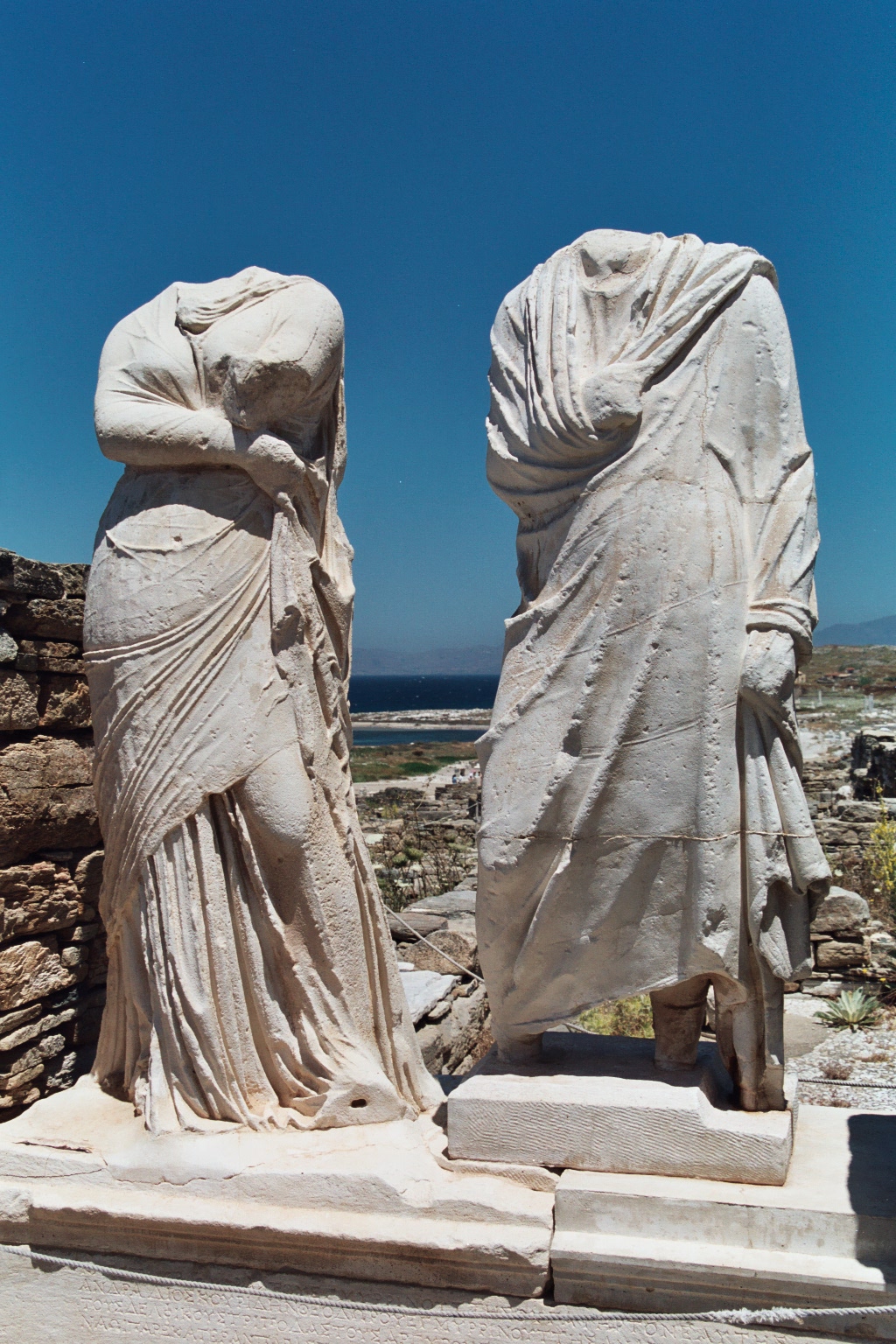
With Hellenistic and Roman traditions en vogue right now, you might want to look into adding this fabric to your wardrobe. From the comfortable and sharp chlamys to the perky chiton you too can look fiercer than a Barbary lion . Nothing screams “mature man or married woman who probably focuses on family life” like a himation wrapped all over the body. Be confident in a power-toga, and show those fresh-faced Athenian scholars at the Museion who’s the real Hellene. These items and more are dyed a variety of bright colours and patterns with both domestic and imported, synthetic and natural dyes. Your choice of blue, green, yellow, red and other colours in various patterns. A pair of bright red socks is a great gift for a member of your household (They Also Come In Kids’ Sizes!. Since Egyptian women often buy clothing these days (instead of spinning their own like in days gone by, or Rome today) a trip to the woolen textiles seller is a great way to show you care, and fulfil your marital contract in the process!
If you're interested in a flashier gift, there's a whole line of astounding accessories being produced by craftsmen that'll be sure to wow! Brooches and pins made from ivory, gold and silver are holding together the outfits of the wealthy. Necklaces decorated with gems, glass and faience liven up the looks of both men and women.
While we won't be saying goodbye to linen anytime soon, wool is definitely here to stay!
Mediterranean Foodie Culture Is Coming To Egypt
If you're a Hellenic food-geek then these developments in Egypt’s food scene will have you wondering why this Nilotic destination isn't already on your to-do list!
Egypt’s traditional cuisine has always been colourful. Nutritious porridge, flat bread, dairy. The fruits and veggies are diverse and the seasonings pair well with a wide variety of soups, stews, meats and confections. Egypt has even produced some wine over the past few thousand years. But there's nothing there to excite the Hellenophiles among us. Until now.
The diverse influx of Mediterranean immigrants have been providing an exotic twist to traditional Egyptian cuisine. Greek bakers have put their own twist on traditional Egyptian cakes with honey and sesame by swapping out barley and emmer for durum (pasta wheat) to produce lighter, easier to chew tasties. Durum based porridges have also caught on in this Modern-Grain craze. While some have criticised the sustainability of these new water-hungry crops, It's hard to argue against their popularity.
Hellenistic and Roman immigrant communities in Egypt have also been experimenting with Rhodian cabbages, various new garlics, olives and seafood. Apricots and grapes are also new favourites to Ptolemaic orchard growers. Molluscs like limpets and various fish are breaded and fried in oil, with wine vinegar starring as a lip-smacking dip. Mediterranean fish like mullets and anchovies are given that Alexandrian flair by local chefs. If you're in the neighbourhood, fried graylings and roasted shark is being served up daily at Athenaeus’ in 2nd Century CE Alexandria. If seafood was your forte, you could do a lot worse than Alexandria.
Pork has come back in a big way, and our porcine friends are being served up in ever more creative ways. Boar is also hitting the menu so your Roman business partners can rest easy. Sure you could find pork in Egypt before now but you'd never have wild boar on the table of the refined before now! Queen Cleopatra (*The Great Lady of Perfection, excellent in counsel, the Goddess Who Loves her country, the Great One, sacred image of her father, the Youngest Goddess, etc) even serves boar at dinners occasionally.
And if Ptolemaic dining still doesn’t have your interest, perhaps the wine will have you paying attention. Thick, nutritious beer may be an Egyptian staple but what proper Greek wants to serve what's essentially alcoholic gruel at a symposium?
Not only have estate owners in Egypt begun planting vineyards at home, but the diversity of imported wines is so much broader than it used to be. Amphorae of wine are arriving from the usual wine country (Lesbos, Chios) but also from Leukos and Roman Italy. Whether you prefer a bowl of Mareotic wine to relax with your associates after a long day, or a bowl of Falernian to impress a rival, Ptolemaic Egypt is not a bad place to drink.
Indian Trade Will Skyrocket As The Domestic Economy Hits Some Rough Patches
The Red Sea trade with India was BIG during the Ptolemaic period. If you enjoyed silk or pepper during the reign of the Ptolemies then you have the Red Sea maritime trade to thank, but there's a lot more to be gotten from this trans-continental connection. The Roman Empire’s commercial sector is flush with money and a lot of that is pouring into the Red Sea ports.
120 ships are projected to ship from ports like Berenike annually, 6x the rate of Ptolemaic trade. What this means for YOU is that black pepper and long pepper is going to be (slightly) more affordable, and Chinese silk is being used in all new ways. All thanks to our new role in the Roman Empire, under the auspices of the Divine Augustus. Greeks and Romans in India still want a taste of home so shipments of grain, wine, figs and oil are heading East. This is a great opportunity to a well heeled, business savvy gentlemen who wants to dip into this Erythraean connection. These routes also like up with cities in East Africa, so reserving cargo space on a chartered ship is a clever lifehack you can employ to avoid those overland expenses.