They existed.
Flails of many types existed. Most were two-handed. Most had very short chains - they were hinged weapons rather than chain weapons - and long striking heads. That these were the most common flails is not surprising, since "two-handed, short chain, long striking head" describes the common agricultural flail.
Military versions often have longer handles, and often have reinforcing bands and sometimes spikes on the head. Such flails were used in both Europe and Asia.
The agricultural version was also used for fighting at times. An example of one in use, from the 16th century, alongside other agricultural tools also being used as weapons: https://en.wikipedia.org/wiki/File:L%C3%BCtzelburger_Hohlbein_K%C3%A4mpfende_Bauern.jpg
However, while that was the most common style of flail, there were some single-handed flails, flails with long chains, and flails with multiple chains. There are examples from China, Japan, India, and Europe. The Met Museum has some interesting flails: https://www.metmuseum.org/art/collection/search#!/search?material=Flails
In Japan and China, a variety of flails and chain weapons survived into recent times, and some are still used as martial arts weapons. This is useful for information about their use, and their effectiveness. The weapons with very long chains tend to have fairly light weights on the end, and depend on speed rather than mass for their effect. Note the small head on this two-handed long-chain Japanese flail:
They might not be very effective against armour. Long chains provide reach (and a very long chain can provide a lot of reach), and can wrap around and entangle the opponent's weapon arm (which can lead to the flail/chain user being disarmed, if the opponent acts quickly). Long and very long chains make the weapon hard to block or parry - if the chain is blocked, the head will continue and can still strike the opponent, including around a shield. A similar effect of the weapon striking around blocks also happens with the usual two-handed short-chain flail - if the haft is blocked, rather than the striking head, the head can swing around and still hit despite the block.
Some flails and chain weapons served primarily as police weapons, and were less-than-lethal (to use the modern term) alternatives to swords and spears. Examples include the Japanese manriki-gusari, nunchaku, and probably Chinese flails like these: http://museum.hikari.us/weapons/slides/nunchaku05.html
Flails appear to become more common post-Medieval. In Europe, they are predominantly a Renaissance weapon. Examples appear in Medieval European art:
Two-handed long-chain flail with spiked head, early 15th century, used on horseback: http://manuscriptminiatures.com/livre-des-merveilles-francais-2810/2836/
One-handed long-chain flail with spiked head, used on horseback: http://www.enluminures.culture.fr/Wave/savimage/enlumine/irht5/IRHT_085851-p.jpg
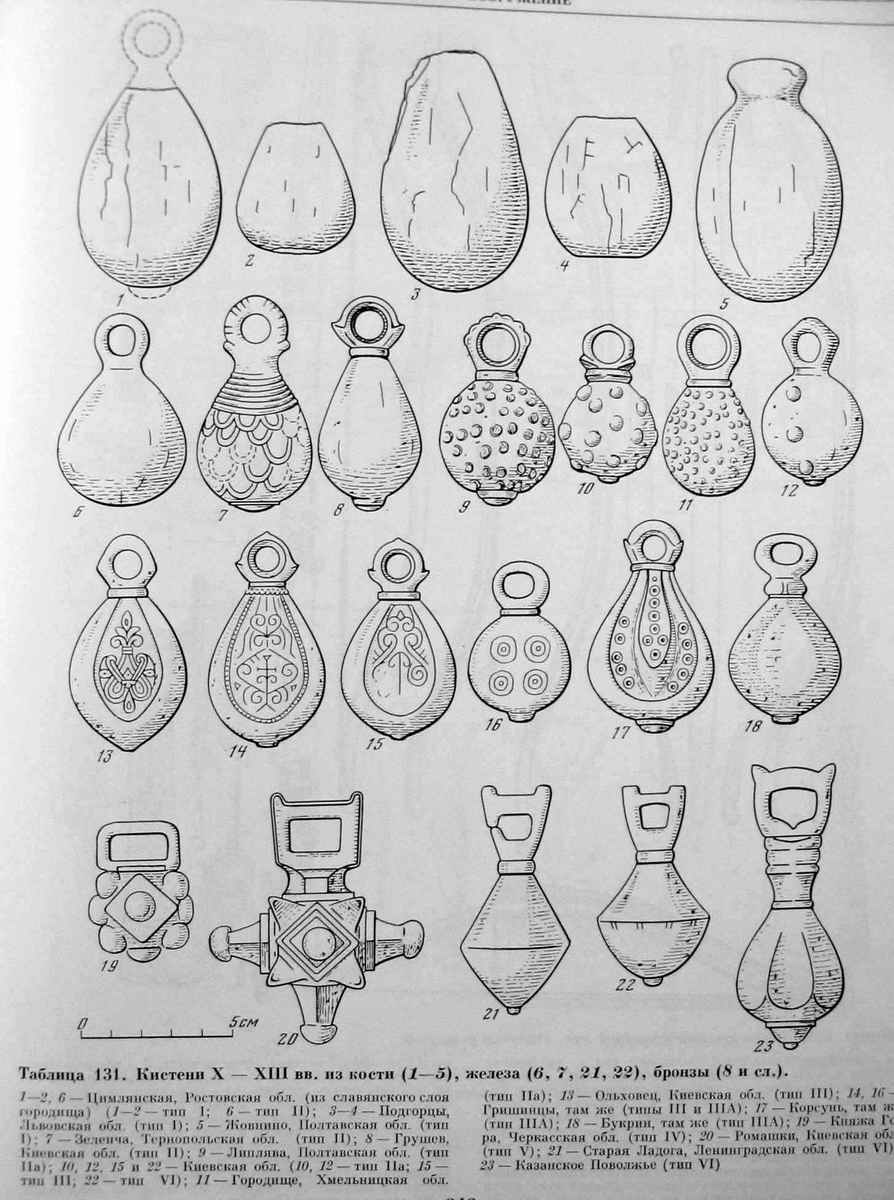
There are many examples of Medieval flail heads from Eastern Europe (especially Russia, Poland, and Ukraine). Some examples can be seen in http://club-kaup.narod.ru/rec/arcussr/table131.jpg - these were usually attached to the handle by a strap rather than a chain.
It has been argued that the short-handled long-chain one-handed flail didn't exist as a weapon in Medieval Europe. For example, see https://www.publicmedievalist.com/curious-case-weapon-didnt-exist/ (including discussion of the possible or probable fakeness of some of the Met Museum flails). Since the existence of Russian and Chinese Medieval flails is well-established, and short-handled long-chain one-handed flails appear in Medieval European art, I don't think there are good grounds for saying the weapon didn't exist. However, the version that appears in popular imagination - with a huge and heavy spiked head that will smash an armoured opponent - doesn't appear to have existed. Flails with large and heavy heads are generally two-handed, and short-chained. One-handed long-chain flails are usually relatively fast and light weapons, and usually not spiked.