The various texts I have studied made it clear that Chinese dynasties like the Song and Han used large numbers of crossbowmen. These crossbowmen used crossbows with composite arms. Given, from what I have studied, it took a year to make a composite bow, how did the Chinese manage to equip so many soldiers?
First, while a composite bow, for best performance, takes about a year from start to finish, a bowyer can work on multiple bows at the same time. Most of that year is letting the glues set and dry thoroughly, and the bow needs minimal attention during that time. A bowyer and apprentice can make over 50 bows per year (judging by modern Korean bowyers working with traditional materials and tools to make traditional composite bows).
Second, if in a hurry, a composite bow can be made in about a month - this is enough time for the glues to dry enough for a usable product. This is not as good as waiting for 6 months to a year - if the unfinished bow hasn't fully dried, and receives its final shaping (tillering, etc.) at this point, it can continue to change its shape after being finished, resulting in an inferior bow.
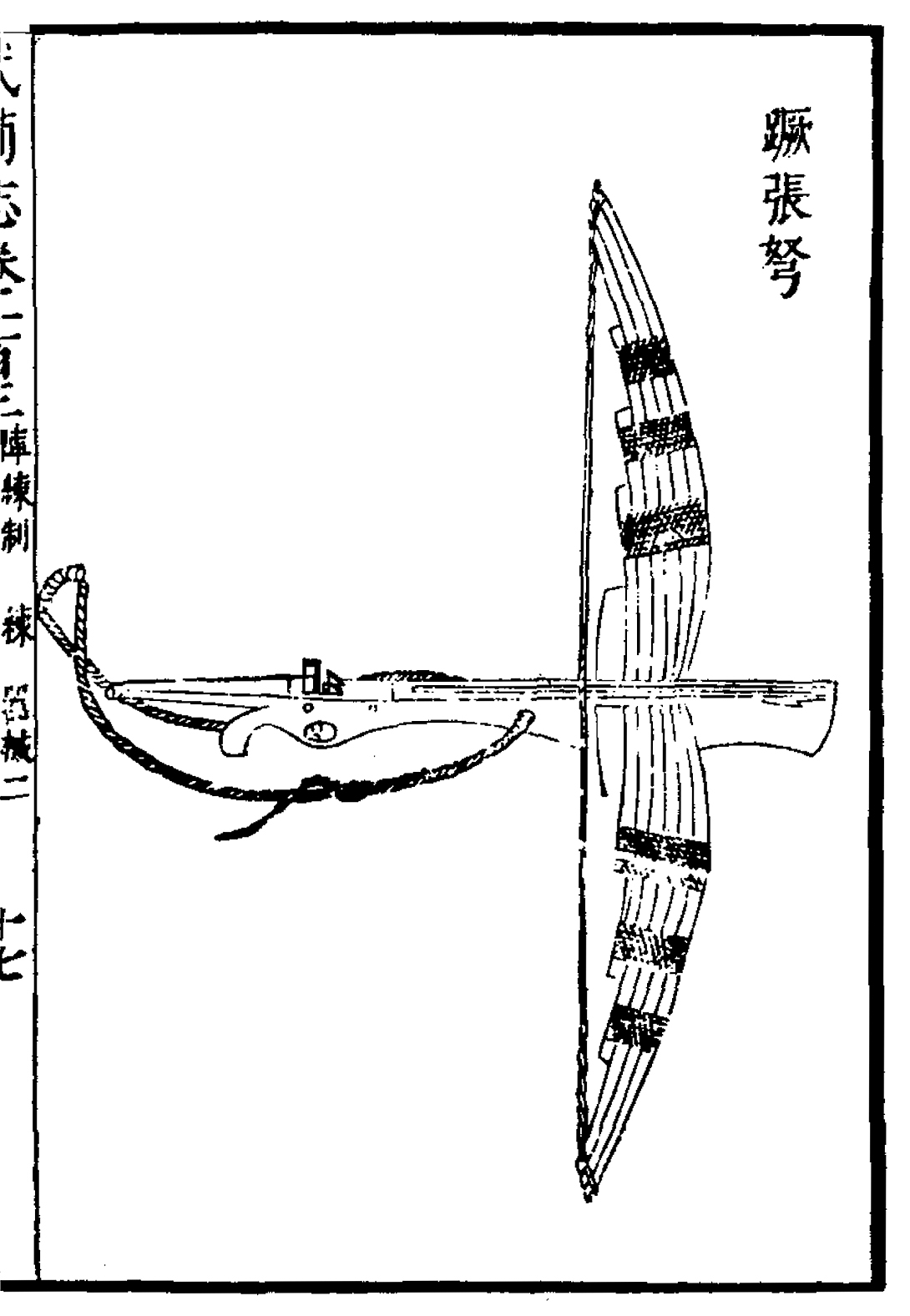
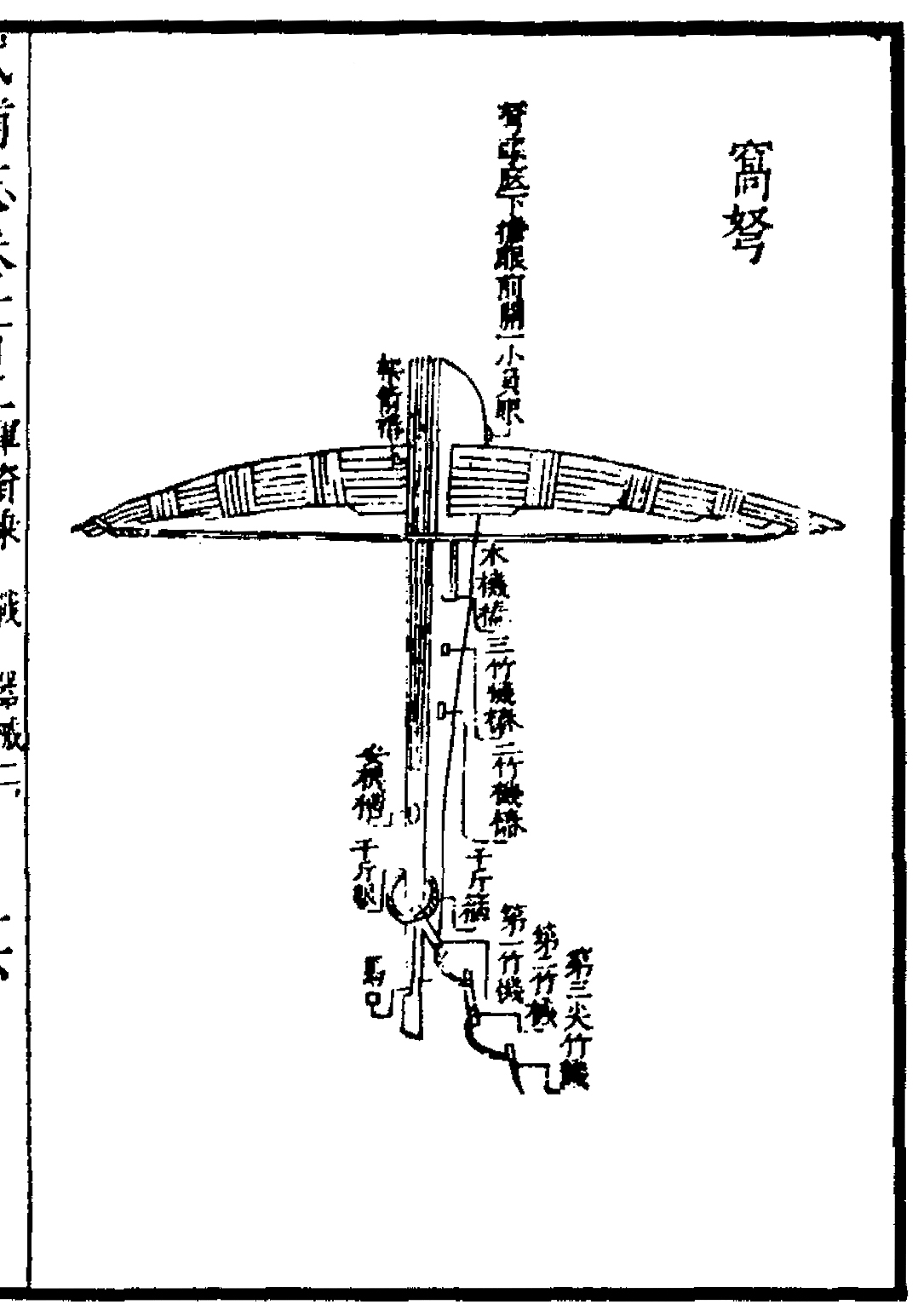
Third, Chinese crossbows also used leaf-spring prods made of multiple strips of bamboo (5-7 strips seems most common). These were quicker and cheaper to make, and appear to have been more common during the Ming Dynasty than composite prods. Examples from Ming art: 6-strip prod and 7-strip prod.
Finally, while Chinese armies were large, and needed many bows and crossbows (and even if the crossbows used bamboo leaf-spring prods, the bows were composite), there was a large population base and many bowyers who could make them. The year taken to make composite bows (of good quality) could still be a problem, in principle, if a larger-than-usual number were needed in a hurry, but this could be a problem for any armies that used composite bows.
According to Stephen Selby's Chinese Archery, it took three years from start to finish to make a composite bow or crossbow, although this might be as much customary as practical, given the otherwise good bows made in not much more than a year using traditional methods. Unfortunately, Selby doesn't say anything on the mass production of composite bows, so far as I can remember and see, but I suspect that the answer is a fairly simple one. A single bow takes three years to make, but much of that time is spent idle. Each step is ultimately pretty short to perform and, as a result, you could make a lot of bows in parallel.
While this doesn't reduce the overall production time, it does allow for mass production and, once the system has begun, a fairly consistent and uninterrupted yearly output rate.