First, the term photorealism means painting that achieves the level and perhaps more importantly the look of mimetic realism of photography because the artist uses a photograph as their source, mechanical means to transfer it to the canvas (projection, for example), and technical proficiency to reproduce its look in paint. So by definition it did not exist prior to the invention of photography. A good example is the work of Richard Estes.
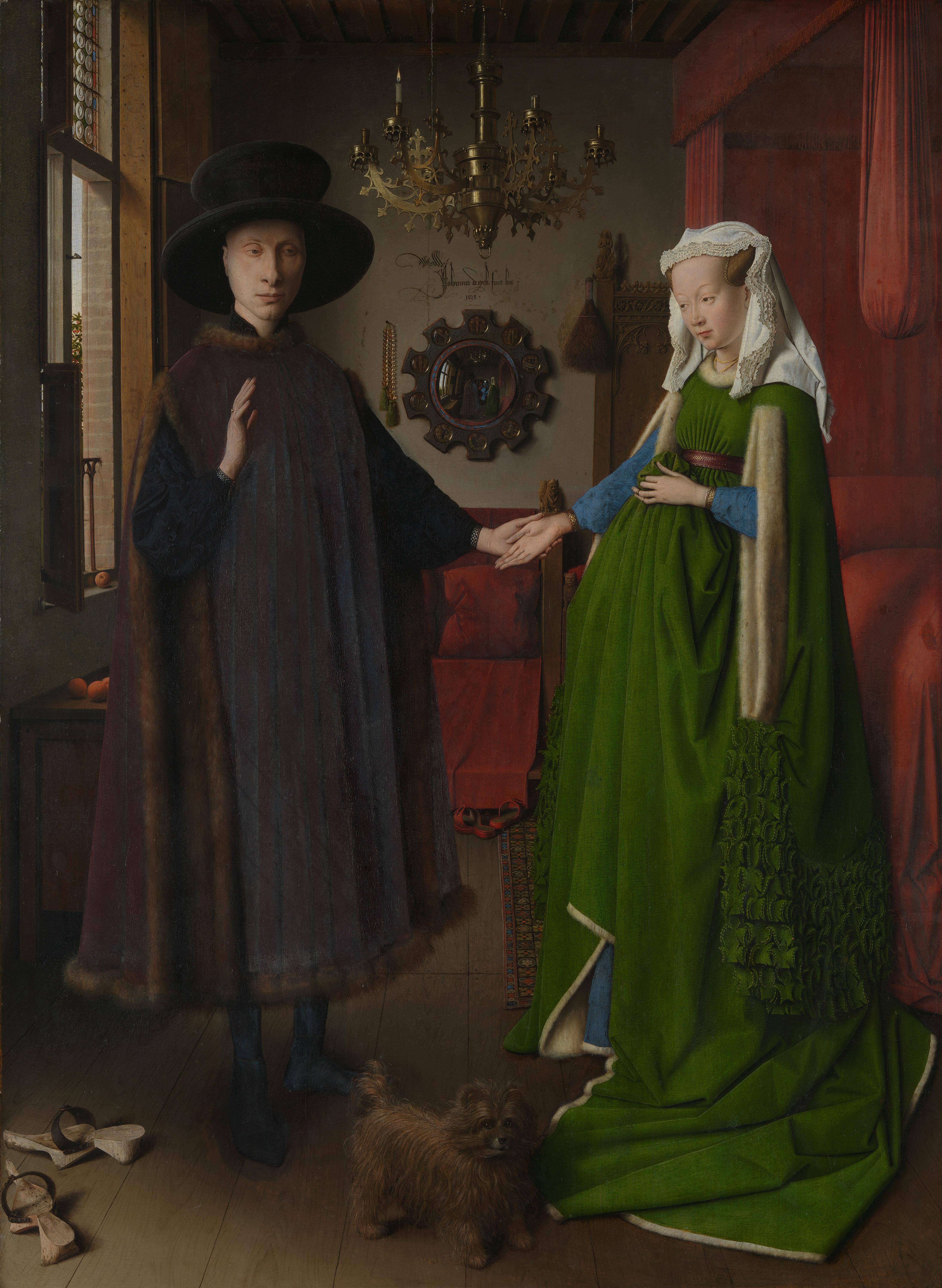
However, laymen usually use the term "photorealism" to refer to any painting that appears to have a high level of mimetic-looking detail. By this measure Van Eyck's Arnolfini Portrait dating to 1432, would seem to qualify. In this case the invention of oil painting, with its ability to mimic the detail and -- to use presentist language -- dynamic range of visible reality, facilitates this kind of realism.
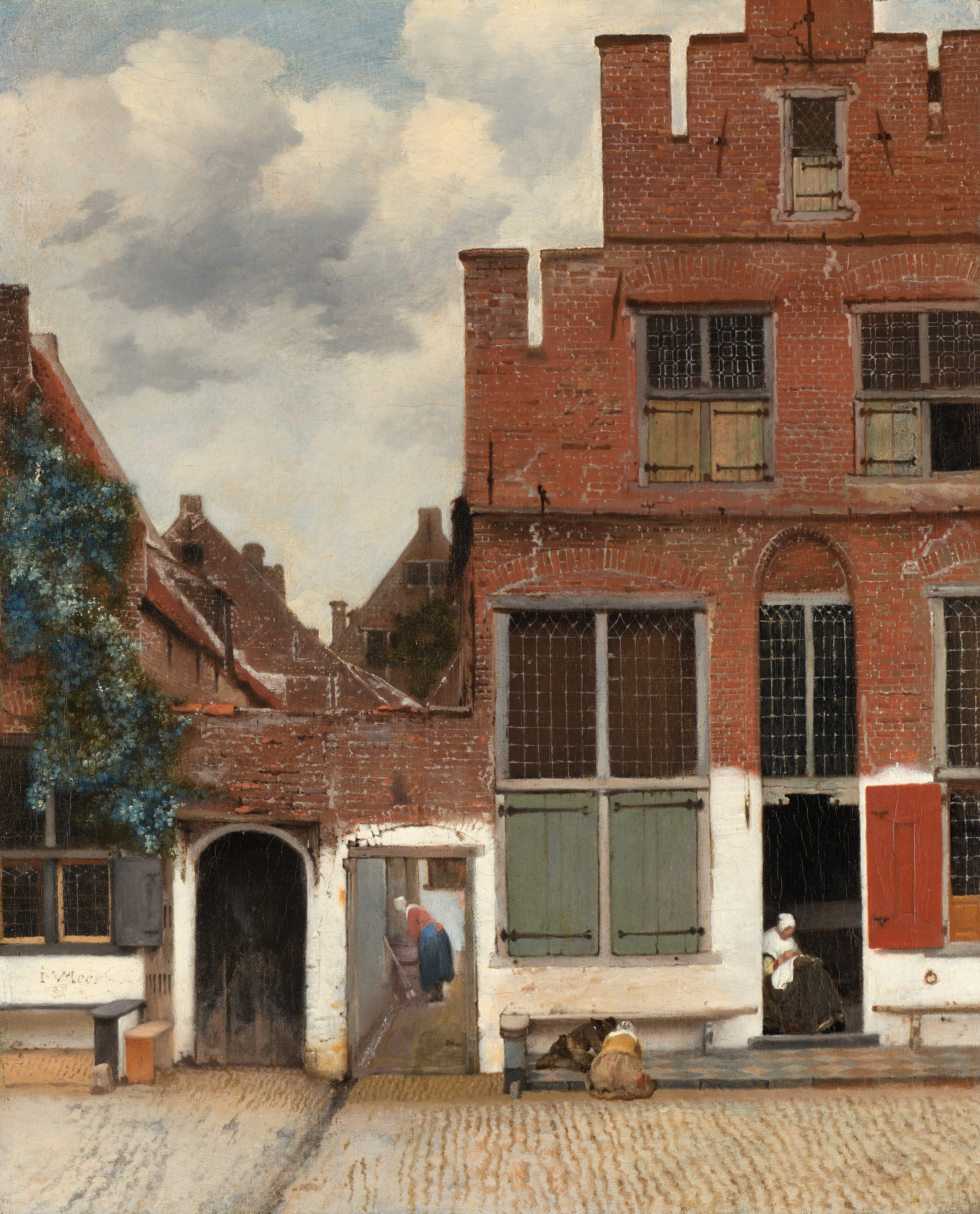
In many cases artists working before the invention of photography used the camera obscura (a technology that the photographic camera later incorporated) to achieve realistic effects that to the modern eye appear quasi-photographic. There is debate about who exactly did this, but plenty of evidence to show that painters did; Vermeer is a famous example of an artist at the center of this debate.
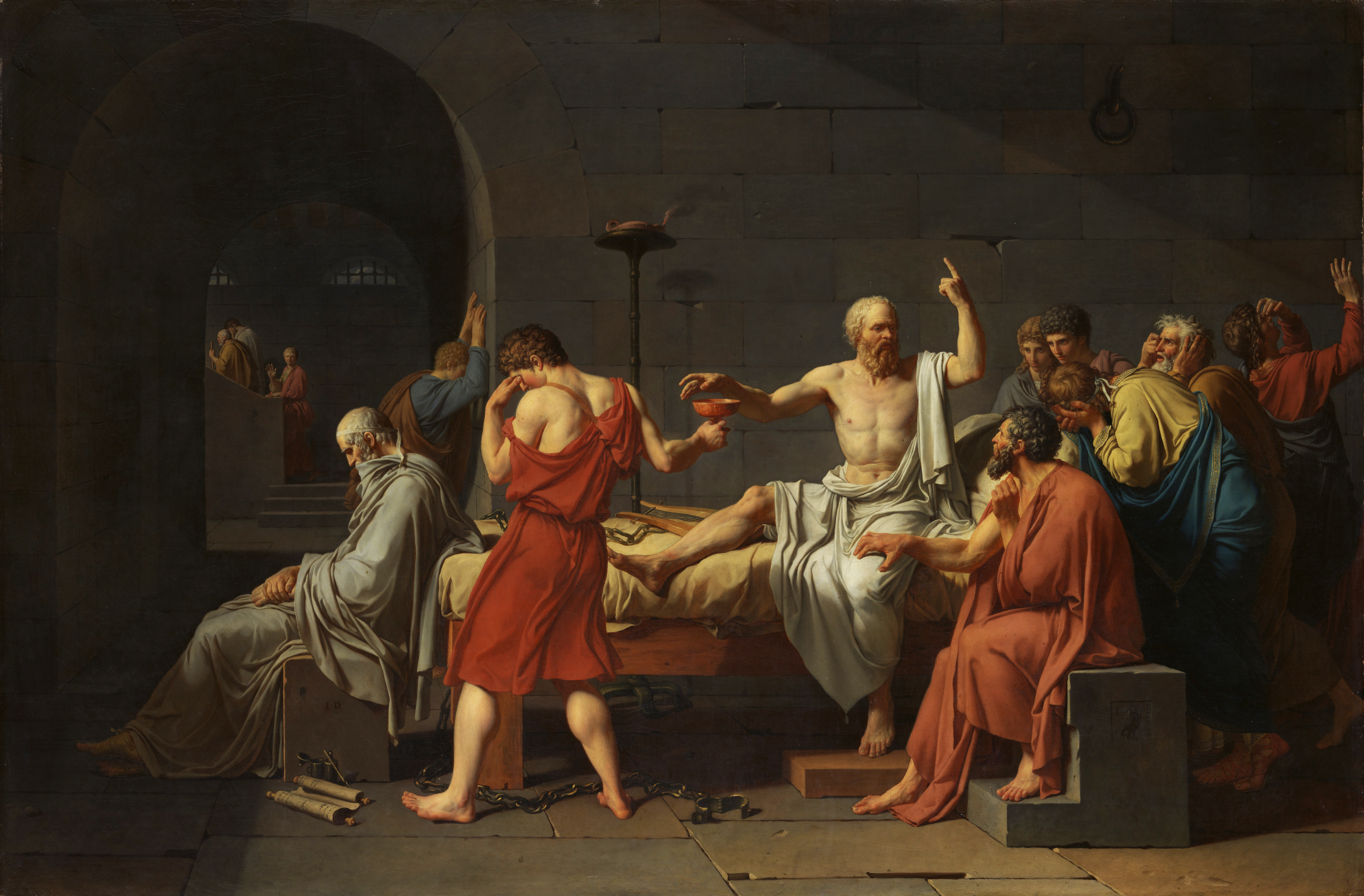
In European academies in the 17th and 18th centuries, traditions of what appears to be mimetic realism were perpetuated, but these depended heavily on idealization of the subject and never slavishly reproduced what the eye saw. Jacques-Louis David is a famous example. But this was not called realism, and of course, not photorealism; the terminology depended on the genre (in the case of this example, "history painting," meaning painting depicting biblical scenes or scenes from classical antiquity), and the genre required a conventional style based on observation of the nude, drawing, painted sketches, the transferring of a design to the final canvas usually by gridding, and a layered approach (underpainting and glazing) that produced briliiant colors and depth.
As an aside, in art history the term realism officially refers to the proto-avant-garde movement the emerged in the mid-19th century in France around Courbet and Millet and others, and referred to an unidealized, coarse style that rejected fine academic finish and traditional academic subject matter in favour of peasant/labourer subjects. The term was heavily political and associated with the 1848 revolutions in Europe
Hi there -- not discouraging further answers, but this section of our FAQ may be of some interest to you, specifically this answer:
Why did pre-renaissance christian art degrade so much compared to the classical period? by u/guckfuchs