[deleted]
In the FAQ, at the bottom of the Pre-Columbian section for North America there is a section titled "Cities and Monumental Architecture", talking specifically about cities and other monuments north of Mexico, you might be interested in checking it out while waiting for more complete answers:
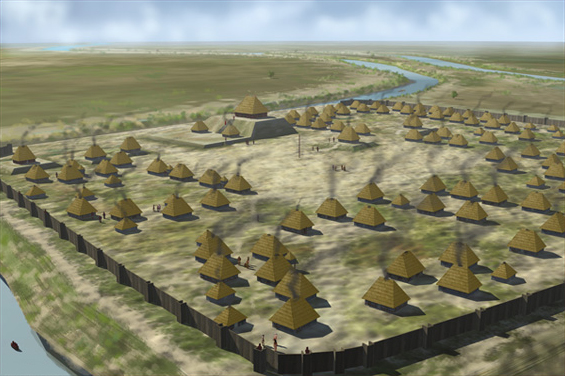
In there is also a response by u/Reedstilt talking about Cahokia, in case you wanted to learn more about the subject:
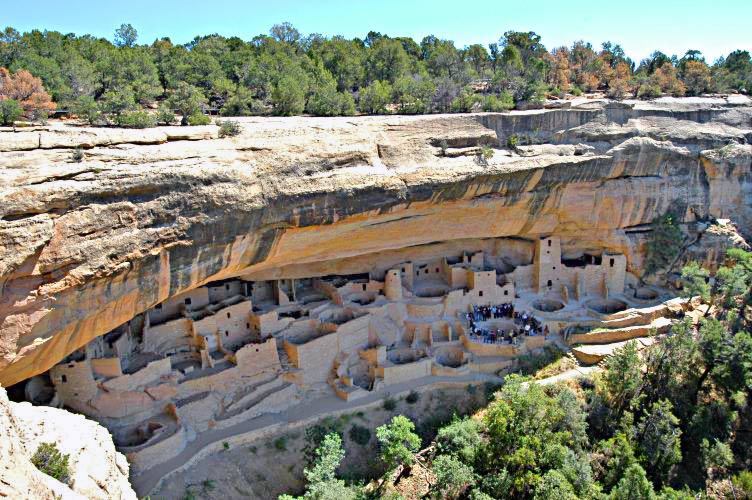
I would also recommend reading on the Pueblo culture who were quite the accomplished builders as well, the Pueblo Revolt, while talking about a group that is not quite the same as the Ancient Puebloans is a good place to start on the region.
Its also important to remember that you're asking about a very extensive region(s?) that have changed a lot over the centuries, for example, as Cahokia itself declined its architectural style expanded through most of modern Eastern US, but many of their monuments were however sadly lost to US expansion as explained again by u/Reedstilt:
Yes, peoples north of Mesoamerica built structures like Mesoamerican and Andean architectures. Of course, how you define their similarity makes all the difference. Mayan and Incan megalithic buildings feature unique architectures as you’d expect, and it is true that most temples, palaces, and domestic buildings north of Mesoamerica were made of more perishable materials. But, there are similarities in architecture between these three regions; most generally in the building of houses. These are of wood, adobe, and wattle-and-daub, being thatched, with vernacular architecture showing adaptions to each regions’ plants and climate, such as in California, the plains, the Mississippian world 1 2, Mexico, and Peru.
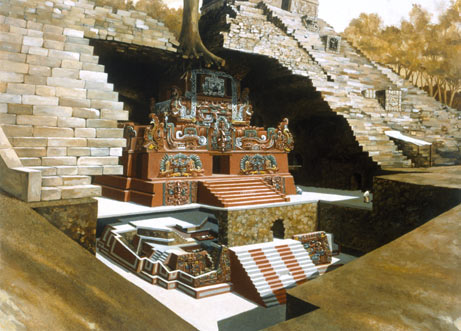
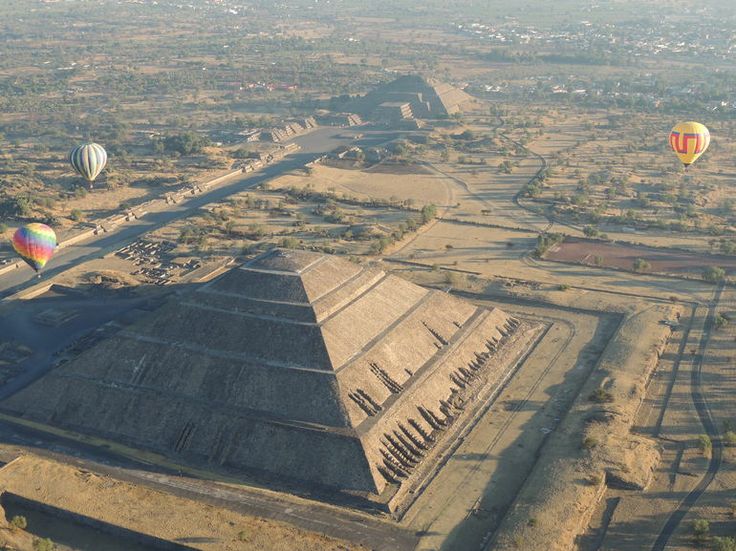
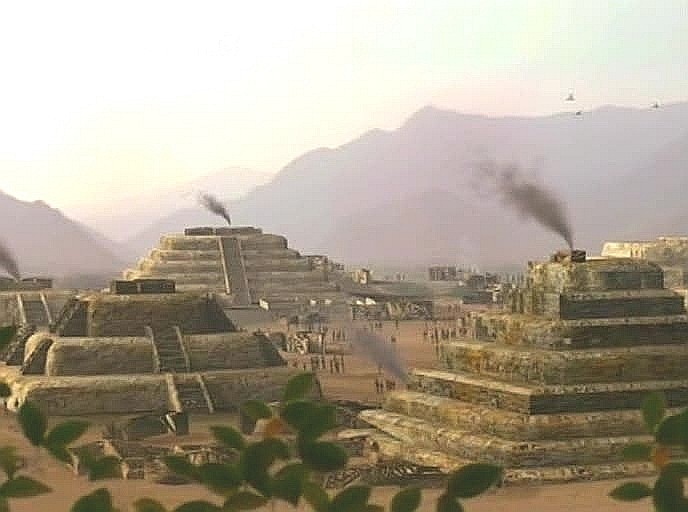
This could be expected as humans tend to build houses in similar shapes with similar materials; but this is not the end of the story. The most visible similarities are their tallest buildings – mound ritual architecture, as mentioned by u/Reedstilt. This was invented around the Mississippi ca. 4000 BCE, the Andes in the mid 3rd millennium BCE, and Mesoamerica ca. mid 2nd millennium BCE. Out of the necessity of construction, mounds can have similar interior and exterior methods of execution. The interior can be made all at once (as in some places in Mesoamerica and perhaps elsewhere), or gradually grow from the various iterations of buildings on its top (as Mesoamerican and Mississippian mounds do). The exterior can either be left as packed earth (as at Watson Brake and by the Mississippians 1 2, or capped with stone/plaster (such as in many Mesoamerican examples such as in central Mexico, the Mayan world, and at Caral as reconstructed, as well as other sites of the Norte Chico culture of the Andes, and later cultures of the Andes region such as the Moche). There are further ritual areas around mounds/pyramids, usually spaces for large gatherings: either plazas (such as at Caral and in Mesoamerica), or game areas (like Chichen Itza ball-courts or Mississippian chunkey fields).
Associated with mounds at some sites are circular ritual areas, which can be constructed similarly. These are a large circle with a central point, which was highly symbolic for Mississippians and perhaps earlier peoples as it represented a reconstruction of the cosmos with a central world-tree. These so-called wood-henges (post circles with a central post) are found at Poverty Point along with its mounds some 30-40 post circles were built over the life of the site, as mentioned here around 50:08 and reconstructed not fully accurately here. Outside of the Mississppians, there is a concentric stone circle with a central megalith at Caral called a [huanca](https://es.wikipedia.org/wiki/Huanca_(monolito); and while we don’t know as much about their ideology as the Mississippians, they too perhaps created a model of the universe with a world tree so that people could perform rituals associated with mounds. This can be more clearly seen in later cultures such as a huanca which serves as the axis-mundi in a model of the world at the Old Temple at Chavin de Huantar; although this is only one meaning of the many regarding these standing stones.