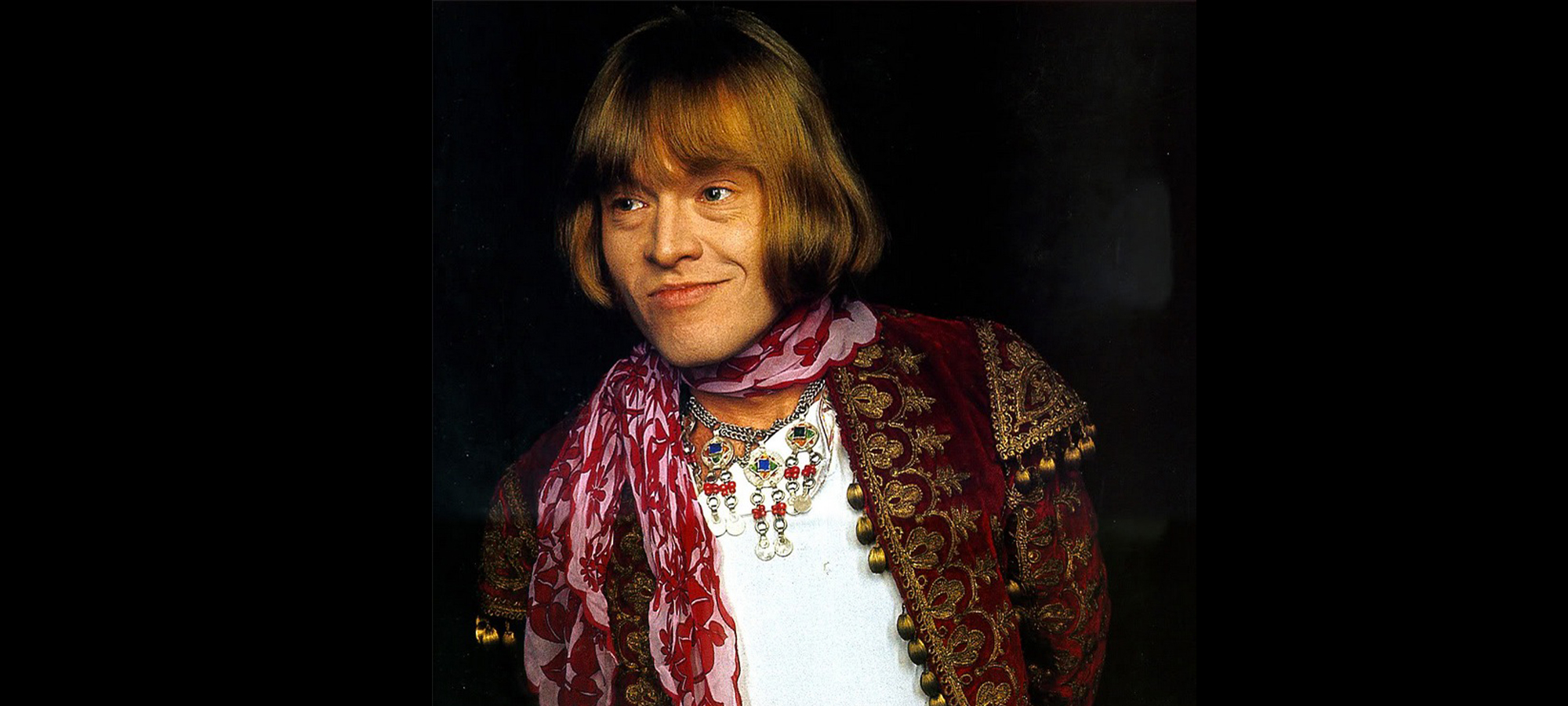
Somewhat surprisingly, both are connected. I’ll start with the cape which will lead us to the Prog. To start, Bram Stoker’s cult classic from 1897 had been around for a while, but for some reasons a trend for wearing Dracula inspired capes took off in England during the 1960s. Think the swinging 60s in London, masked partied, Brian Jones of the Rolling Stones wearing Moroccan capes, you name it.
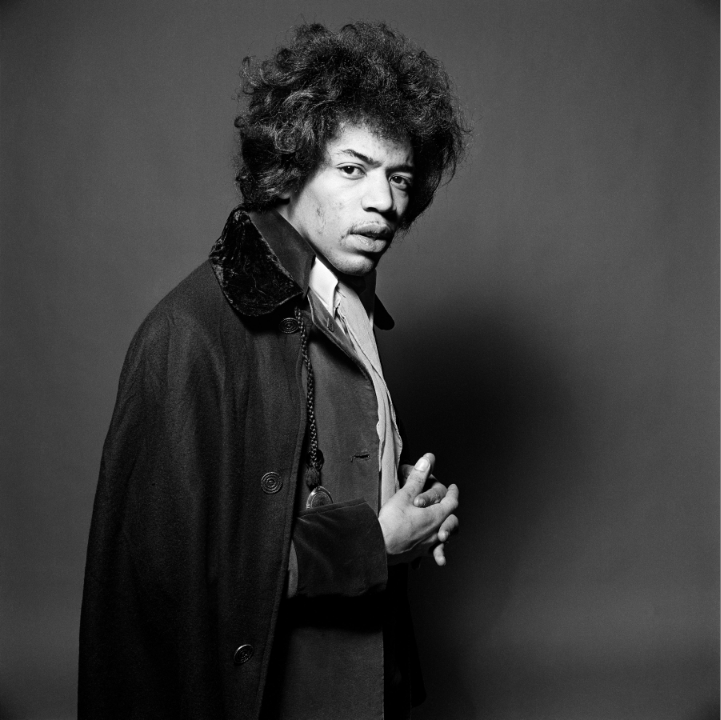
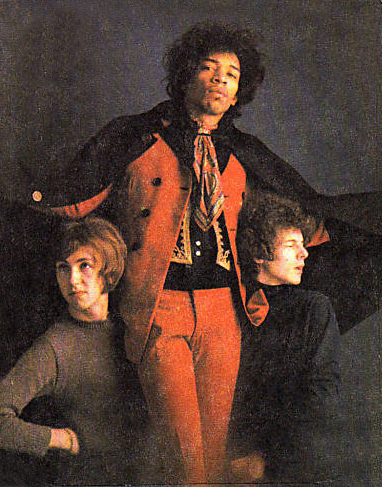
Jones was an early popularizer of the “Rock cape” as it was becoming quickly known, and with his tragic death the cape also took on a more legendary status. Famously, Jimi Hendrix also donned the cape regularly and with aplomb during his stay in London in the late 60s, increasing its glamor factor by 200 - see also here for more Dracula Jimi vibes.
So by the early 70s when prog came around you can see how the Rock cape was already tied to two things: swingin’ 60s glamor and guitar gods. No wonder that people like Rick Wakeman and Chris Quire started taking up the trend, wearing ever more extraordinary colors, designs and serious gold sequins. Very golden indeed.
But what about UK prog rockers being sort of more dominant (or rather better known) globally, you rightly ask. That’s were the Dracula connection I mentioned before comes in again.
It turns out that count Vlad Dracul of Transsylvania in modern-day Romania, whom Stoker had based his Dracula character on, was known not only as “the Impaler” (anyone else getting Metal vibes here?) for impaling large numbers of enemies.
In addition he also had a reputation as one of the very fastest finger picking lute players in all of the Carpates – and there were some heavy lutists in that region at the time. Sinti and Roma musicians must have surely given some tips of their legendary musician mojo to Dracul. Dracul also was known for wearing capes regularly, mostly made of red hermelin and impaling sticks (as seen in this faithful recreation).
Putting all this together, musicologists have argued that UK prog musicians from Yes to King Crimson must have unwittingly tapped into these supernatural guitar god skills by donning the cape. Which they did a lot. Remember, Prog Rock is known for its influence by classical Romanian music (ring a bell?); and for the prodigious solos on guitars and actually all other instruments.
How else to explain how Robert Fripp could be so ahead of his time guitar wise, than by channeling the spirit of the lute swinging count of Transsylvania? After all in modern Romanian, dracul means "the devil", and Dracula was sometimes understood to mean son of the devil. And who better to lead the Prog rock revolution than the devil's proginy...
I won’t go into the transition from Prog to Punk here, which is outside of my fashion knowledge - although once more it seems that Dracula was not far from the scene. Just to add though that while the UK scene may have been better-known, other countries certainly had their fair share of serious Prog bands. And maybe none of them more so than France’s Magma. We can see a parallel to the Rock cape here: by speaking their own Kobaien language and incorporating awesome fashion, Magma obviously brought the guitar power of planet Zeuhl to earth in style.
Sources:
The Rocking Count of Transsilvania. Vlad Dracul and the British Prog Gods from Hell, in: Supernatural Currents as Fashion Statements, ed. by Werner Jones and Bram Croker, London 2016.
Le Prog et le Fun. Une histoire démodé? by Francois Köhntarkösz Paris 1981.
Cape or Bat? The Rock Cape Becomes the Last Trend to Upset Swinging London's Morals, in: The Batonomist, London 1969.
Das famose Lautenspiel des Woiwoden Vlad III. Drăculea in der Walachei und sein Einfluss auf karpatische Volksmusik, eine ethnographische Untersuchung von Hermann P. Maulwurf, Tübingen 1912.
Edit: added source images and vid
Edit 2: April Fool's y'all. Okay, so Vlad Dracul did not give Rick Wakeman the Fashion Power to Prog. I still maintain that Jimi early on really rocked that Dracula cape in style though.