While more of course can be said, similar questions have been answered in the past by /u/restricteddata in this thread and this thread where they were joined also by /u/tenminutehistory and /u/maliy_yastreb.
Talking about what the "Soviet citizens" knew is difficult to do, both because it's hard to characterize popular understanding in the USSR (there was a lack of opinion polls and other means of bulk measurement), and also because this understanding changed over the course of the Cold War. Generally speaking, during the Stalin period nuclear weapons were not talked about much in the press or popular literature, because Stalin basically didn't want to admit that they were a big problem because the US vastly outmatched the USSR in this respect. As a result, individual understanding of the situation was probably poor, and even official assessments were heavily biased in favor of the official dogma, which was that nukes weren't a big problem.
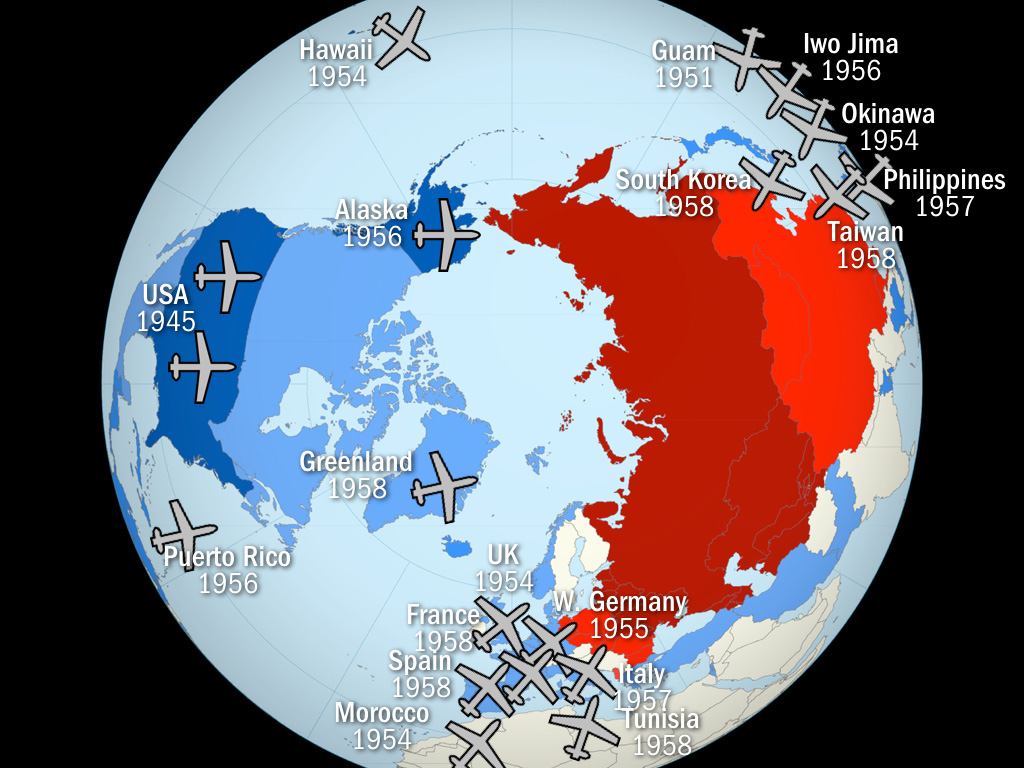
After Stalin, a lot changed. Suddenly the obvious became something you could admit: the USA had a massive nuclear advantage against the USSR, e.g. a factor of something like 20 to 1. The Soviet nuclear capabilities that did exist by that point primarily threatened Western Europe, not the continental USA, and it was unclear whether that would actually deter and American attack. The USA by contrast was not only building nuclear weapons at a ridiculously fast rate (thousands per year), but it was deploying both long-range nuclear-armed bombers very close to Soviet borders (the US war plan for 1958 called for a total destruction of the USSR in a mere 8 hours or so), but also was beginning to stockpile massive amounts of tactical nuclear weapons in allied countries that could blunt any Soviet advantage in conventional arms. This was the era in which the Soviet vulnerability became more emphasized publicly, in particular in Civil Defense programs (which even at their best were still understood as being inadequate against the threat), and other means of trying to convey the risks to the population (not for its own sake, but in the effort to get them to do things to mitigate those risks).
Even official Soviet doctrine, that which I have seen anyway, did not in any way think that the USSR would "stomp the US." The basic Soviet mindset was that the US was the heavily-armed superpower to be worried about, was militaristically aggressive and a grave threat to the country. (Which, of course, is not how the US saw itself.) The US had a wide lead in nuclear arms production compared to the USSR, and had far easier means of "delivering" the weapons to the country than the USSR did in turn. The USSR did not even really get the capability to retaliate against the US mainland until the 1960s, and even that was a fragile thing. The era of nuclear "parity," where US and Soviet strategic capabilities were roughly equal, was not really until the 1970s and onward.
It is worth noting that "mutually assured destruction" is a very specific formulation of deterrence, one based on the advantages of mutual vulnerability as opposed to dominance. It was always controversial in the United States and West more generally: it takes as its touchstone the idea that any nuclear war would be mutual suicide, and that is not what US nuclear policy was prior to the 1960s, when MAD got coined. Even after the 1960s (and even today) there are people who disagree with this formulation.
It is an amusing aside to note that "deterrence" was translated by the Soviets as устрашение, which is more along the lines of "terrorization" than "dissuasion." It is an adequate reflection of the violence inherent in the concept (it is based on threats and fear), and a reflection of how the Soviet Union saw itself in the Cold War — threatened and terrorized. The reality of course is complicated (the USSR was itself frequently the aggressor, etc.), but this has relevance to your question.
Ed Geist's book on Soviet Civil Defense (Armageddon Insurance) has quite a lot in it on Soviet perceptions of nuclear risk from the USA. And Spencer Weart's Nuclear Fear: A History of Images, has some on the comparative imagery (and even jokes) between the US and Soviet citizens about nuclear war. Again, it's tricky to nail down what "Soviet citizens" thought, and it changed over time, so take all of the above as a generalized outline of an answer. There is no doubt a lot more that could be said about this.
Hey all,
If you frequent the sub, you know the drill. If you're here from /r/all, or browse only occasionally, please be aware we have strict rules here intended to enforce the very high bar we expect from comments, so before posting, please read our rules. If you are seeking such insightful comments as "Everyone knew it and everyone was scared as fuck" or literally "[removed]", then you came to the wrong place, as we removed those. We remove any and all comments which don't comply with the rules, and consider everyone forewarned. If you have feedback or commentary about how things are run here, please don't post it in this thread. We'll just remove it. We love to hear thoughtful, constructive feedback via modmail however.
It can take time for an answer to show up, so we thank you for your patience. If you want to be reminded to come check back later, or simply find other great content to read while you wait, this thread provides a guide to a number of ways to do so, including the RemindMeBot- Click Here to Subscribe - or our Twitter.
Again though, please remember the rules, and keep them in mind while you browse. If you don't like how this subreddit is run, keep in mind that this method has seen us continue to succeed and grow for years, and isn't going to change, so at least try and make your complaint original. /r/AskHistory exists, so complaining about the rules to us is like going into a fancy restaurant to complain they don't sell chicken nuggets, even though Chick-fil-A is nextdoor.