It seems weird to me how Italy, Romania, Hungary and other states had a new regime installed never changed their flags but the Nazis did change the German Flag, considering they were nationalists it seems weird to me that they would want to change a national symbol like their flag
The long and the short of it is that the Nazis strongly asserted that the black-red-gold flag of the Republic was an emblem of traitors and not congruent with the German nationalist tradition. But while the Nazis rejected the republican tricolor it was not a straightforward path to a new national flag.
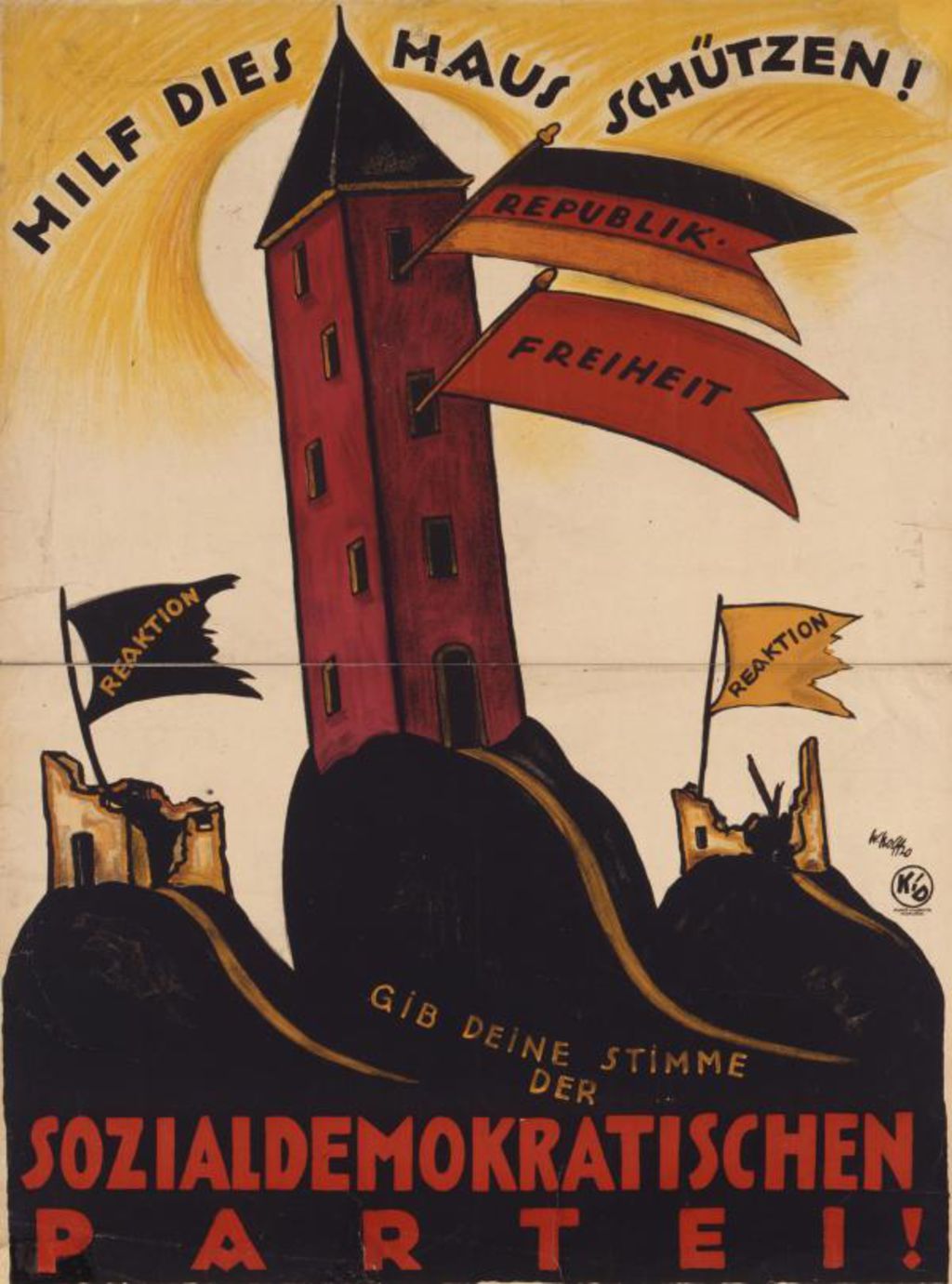
The flag of the united Germany from 1871 to ca. 1918 was the black-white-red tricolor with a more complicated war flag used by some military units such as ships. The imperial tricolor was something of an afterthought for the unified Germany; it originated during the North German Confederation to fulfill a need for a unified ensign for German ships. The flag itself was not a Hohenzollern or Prussian one, although it did incorporate some of their traditional colors. Yet the flag was indelibly associated with Imperial Germany and its lost war. A number of Germans in November 1918 instead opted for the black-red-gold tricolor. These were the colors of the German volunteers in the war against Napoleon and emerged in the post-1815 period as the colors that symbolized a united Germany. The Paulskirche parliament and other 1848ers tended to use the black-red-gold over the red flag as the symbol of their movement, seen here quite vividly in the Germania portrait that presided over the Paulskirche parliament as seen in this lithograph. The failure of the 1848 Revolution in Germany though was not the end of black-red-gold and after 1918, it became the new national flag of Germany. Not only was black-red-gold a break from Prussia and the Hohenzollerns, it was also reaching back to a past German democratic tradition. The SPD, Ebert in particular, invested a degree of effort into making 1848 and its black-red-gold as a historical origin for the Weimar Republic. The red flag did not disappear from the Weimar SPD, but was often coeval with the black-red-gold, such as in this 1920 election SPD poster.
Black-red-gold though was not an especially popular flag though among the German public, especially among the German right. Most of the German conservatives associated the black-red-gold with betrayal of the front in November 1918 and rebellion. They instead pushed for a restoration of the old imperial flag and some of the far-right Freikorps used the battle flag openly. The NSDAP was also among this far right, but also had a degree of marketing savvy that stood it above its contemporaries. The NSDAP ensigns used the black-white-red color scheme of the imperial flag, but within a new set of symbols like the swastika. In this way the NSDAP flags bridged the divide between the various right-wing political symbols by repackaging something old-the imperial color scheme- into a new arrangement.
The Nazis once in power though did little to officially sanction the swastika flag as the new German national flag. While the black-red-gold was out, both the imperial flag and the swastika flag became dual flags of the new German state. Maps from this period would include both the swastika flag and the old imperial tricolor. The anomalous position of the swastika flag led to various incidents in which exiles and other opponents to Nazism desecrated the swastika flags on visiting German ships, most famously in 1935 when protestors tore off the liner Bremen's flag when she visited NYC. Von Hindenburg's death along with these protests led to the official adaptation of the swastika flag as the sole flag of Germany in 1935.