The image on your ring is not Viracocha, but anyone could be forgiven for thinking it was. The same image is on the Wikipedia page after all. I've talked some here about issues with the term Viracocha to describe a singular Inca creator God.
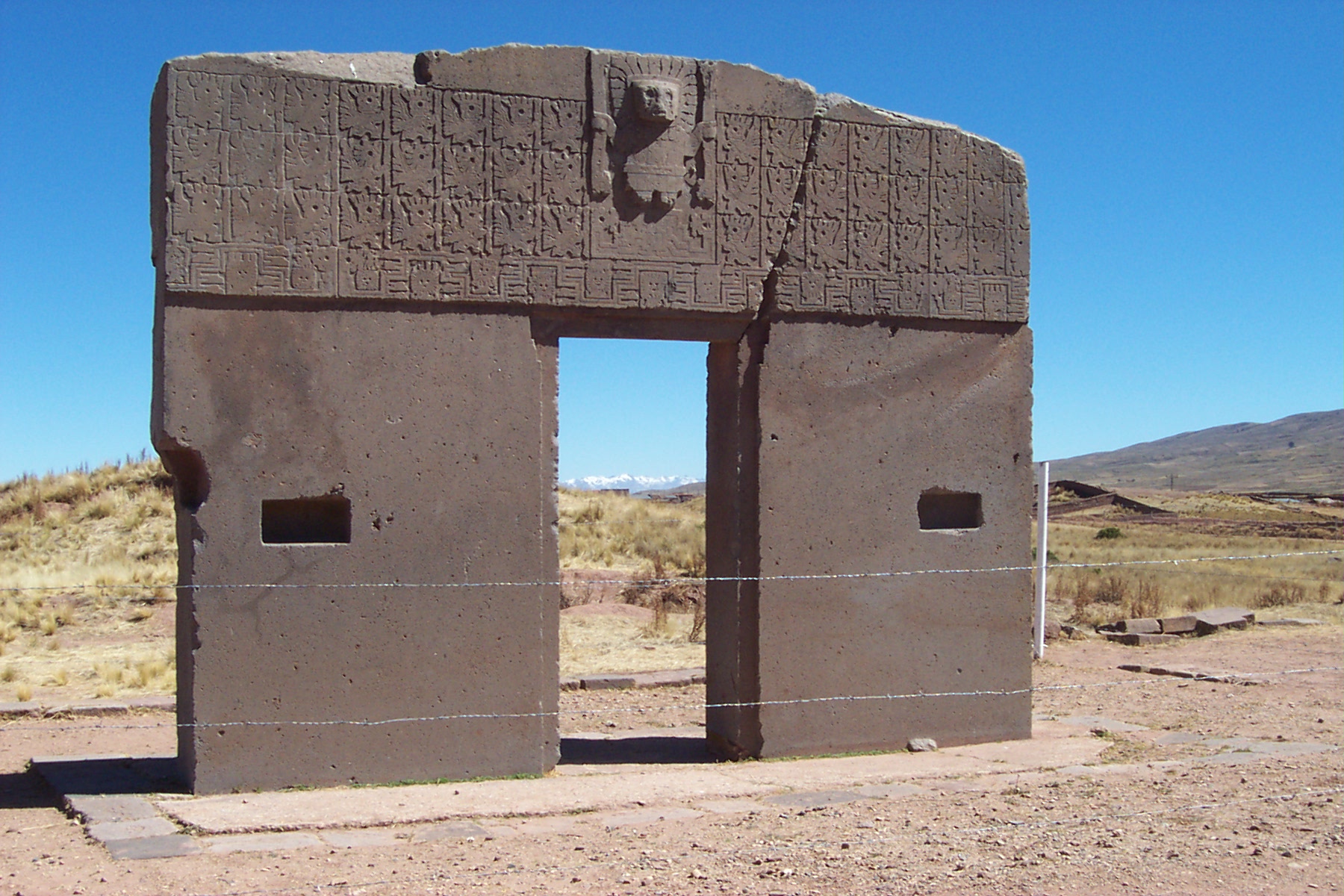
This golden fellow is borrowed from the central figure on the Puerta del Sol from the capital of the Tiwanaku culture. The monolithic doorway was erected nearly 1000 years before the Inca entered the area and is adorned with iconography typical of the "Middle Horizon" period in the Andes when most of the region was controlled by just two expansive states, Wari and Tiwanaku. I've gone into great depth in this commment about the origins of this figure and its association with various religious traditions and cultures.
How did this figure end up on your ring? Tiwanaku was a regular desitnation for European travelers to Peru and Bolivia for as long as there have been European travelers. The site appears in most every travelogue or ambassador report of the era: it was right on the path from the Bolivian capital to the coast and unlike Chavin de Huanter or the Moche huacas, the decorated facades of many of its monuments were stil exposed above ground. Images of the Puerta del Sol published by Charles Weiner in Europe and G.E. Squier in the US had substantial circulation. The Weiner image continues to be the basis of reproductions in Western popular culture- here it is Tintin.
Now, as discussed in the above link, the name "Viracocha" and its use in Spanish colonial documents are largely the result of the Christianization of Inca myths. Such a singular "god" did not exist in this form. Furthermore, Inca art was principally geometric and devoid or figures, partly to ebtter ncorporate a vast number of cultures into one imperial order. Meanwhile, the iconography of Wari and Tiwanaku was filled with supernatural figures, including this central figure from the Puerta del Sol. Given the lack of written records from Tiwanaku and the lack of "proper" images of Viracocha, it was a quick jump to call this figure Viracocha- and it would be darn hard to prove that wrong. (See the second linked comment for why it is).
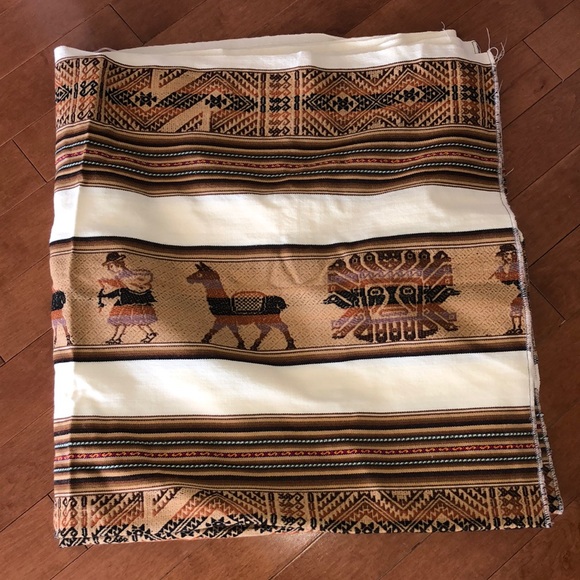
The ubiquity of the image and its attachment to the god Viracocha, a more familiar religious concept for Western tourists than, say, ancestor veneration, helped the Puerta del Sol's central figure become synonymous with not just Tiwanaku or the Inca, but the entire archaeological history of the Andes. And given the extent to which Peru's tourist economy depends on archaeological sites, it has made its way into the standard symbolic lexicon of tourist goods, whether textiles or your ring.