http://www.ancientpages.com/wp-content/uploads/2016/09/victsteleEannatum11.jpg
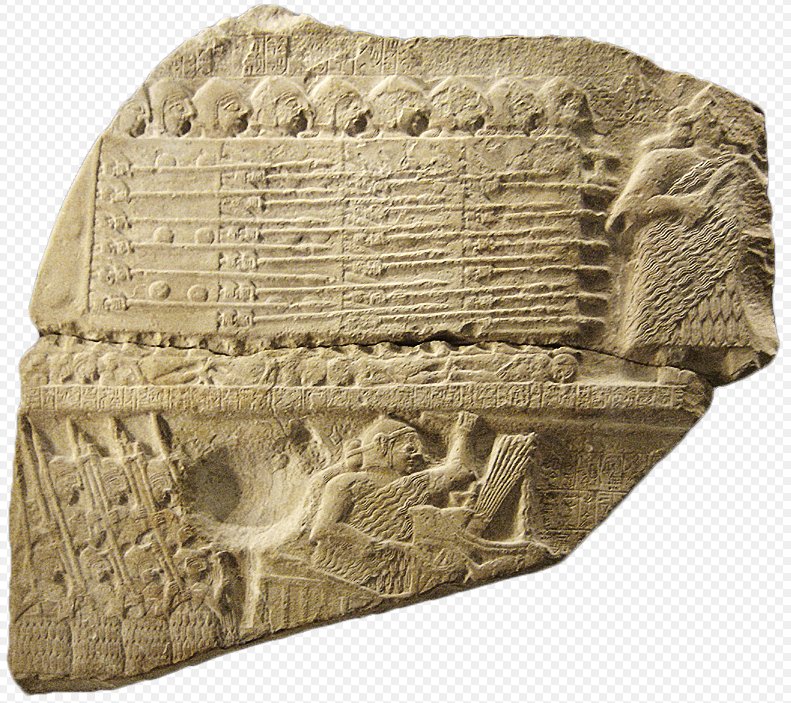
This is a famous stele (Stele of the Vultures) celebrating the Sumerian king Ennatum in the 25th century BCE, or about 200-300 years before the Akkadian period. It depicts infantry in a shield wall or phalanx formation, and it shows troops wearing some rudimentary armor in the form of a helmet (likely copper or bronze) and a heavy cloak.
https://www.penn.museum/sites/iraq/wp-content/uploads/2009/09/standard_war.jpg
The standard of Ur (ca 2600 BCE) depicting cavalry in the form of 4-wheeled chariots. On each chariot there is a spearman. It did not appear that chariot archery was all that prevalent (at least not as prevalent as it was in the Egyptian-Hittite wars 1000 years later, when chariot archers were dominant).
Overall, there wasn't too much of a change between the Akkadian and Sumerian periods, apart from the emergence of composite bows and slightly better metallurgy (ie more bronze instead of plain copper). They would have been like what you'd imagine any ancient army being, just with more primitive tech - a combination of armored spearmen, archers/slingers, and chariots.
What made the Akkadians fearsome at the time had more to do with their military organization. They had the world's first standing army that could campaign all year and weren't constrained by the timing of the harvests. There's a good article on early mesopotamian military organization here. It addresses the Ur III period, just after the collapse of the Akkadian empire, but the insights it has for the standing army are more or less consistent:
https://cdli.ucla.edu/files/publications/cdlj2009_005.pdf
Bertrand Lafont, "The Army of the Kings of Ur: The Textual Evidence"