There are several facets, as "seaplane" can cover a wide variety of aircraft. "Floatplanes" are much like traditional aircraft, but have large floats rather than wheeled undercarriage. A "flying boat" has the bottom of the fuselage shaped like a boat, usually with a pair of floats under the wings to keep it upright. Usually flying boats were far larger than floatplanes, and since your question is rather broad I will stay broad and ignore the small flying boats like the E11A. I also am going to focus more on the military side, but I'll touch on the civilian side as much as I can.
To make this rather simple as a start, seaplanes have been used when a conventional aircraft isn't suitable for some reason. For example, if you want to operate aircraft from a warship (usually a cruiser or battleship), you need to recover the aircraft somehow. It is not practical to make arresting gear small enough to fit on a warship, so floatplanes became the default scout aircraft, usually launched by catapult. Most cruisers and battleships of WWII had two to four floatplanes to scout for enemy ships or search for submarines, the Japanese even built cruisers specifically for the floatplane operations. Floatplanes are also used in areas where and airfield isn't possible for one reason or another, and for this reason floatplanes are still popular in bush areas like Alaska, where the De Havilland Beaver is common. In WWII there was a brief fad of making floatplane fighters for isolated bases, such as the Pacific, but the A6M2-N Rufe and N1K1 Rex did not last long and the American equivalents didn't go past prototype stage: the floats impacted performance too much (here is Performance Data for the land and float versions of the F4F-3).
Flying Boats were generally used for the same reason, lack of runway, but also the short range of aircraft of the day. The famed Clippers were long-range airliners, but the range was so short that a flight across the Pacific required five stops, and even that only got you from San Francisco to Manila and took a week. In WWII flying boats were generally used for reconnaissance and patrol, often from areas where the airfields ashore either did not exist or where quite small. The famous PBY, especially the later -5A amphibian (with wheeled undercarriage for flexibility), saw extensive use early in the war for patrol and anti-submarine warfare, but later began to shift into recovering downed pilots as other aircraft took those roles.
That was the true demise of the seaplane: other aircraft could do the job. In WWII aircraft range greatly increased, the wartime B-17 had a combat range of 1,529 nmi with a 10,000 lbs payload, the B-29 more than doubled that to 3,390 nmi, and other aircraft saw similar jumps. Even during the war the US Navy began operating patrol bomber versions of the B-17, B-25, Ventura, and many other land-based aircraft. Moreover, the addition of jet engines made this faster, the B-47 could fly that distance in under half the time. With longer ranges, flying boats soon began to disappear, and the last US military contracts were cancelled in 1959 with the P6M.
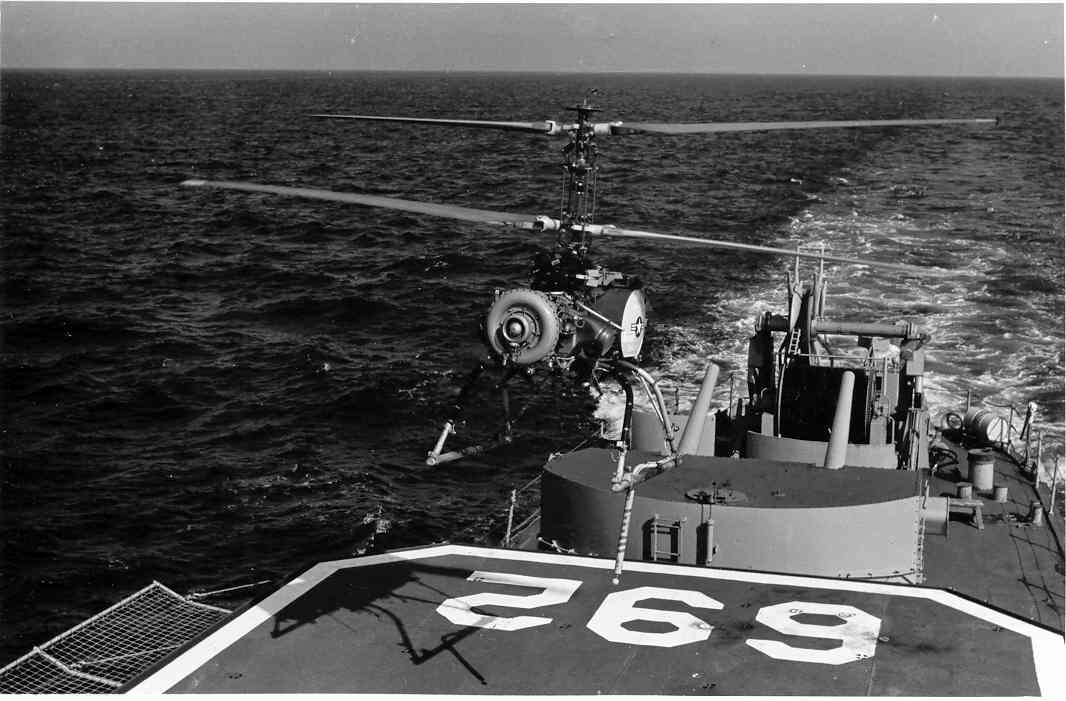
Floatplanes were similarly replaced by longer-ranged carrier aircraft for reconaissance. However, they faced another enemy as WWII: the helicopter. Early helicopters like the R-4 saw combat as WWII ended, and had the added benefit of being able to land on a moving ship (before this the ship had to stop to crane the aircraft aboard, this album shows the process). But a helicopter can land on a moving ship, and in the late 1950s the US moved forward with the QH-50 Drone Anti-Submarine Helicopter, able to land on small destroyers that hadn't operated aircraft before (apart from the odd trials ship). Larger ships were designed with manned anti-submarine helicopters, which today are standard on most warships.