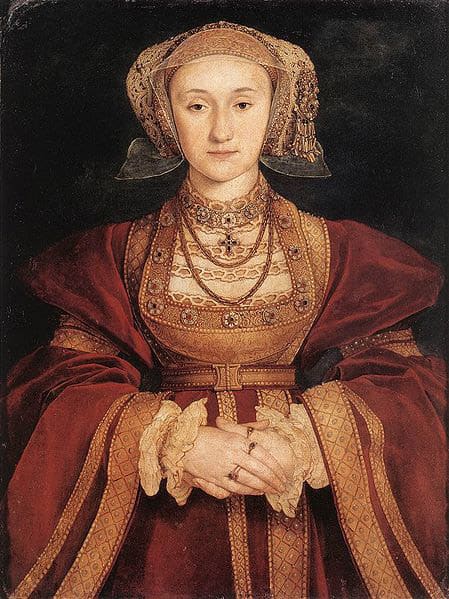
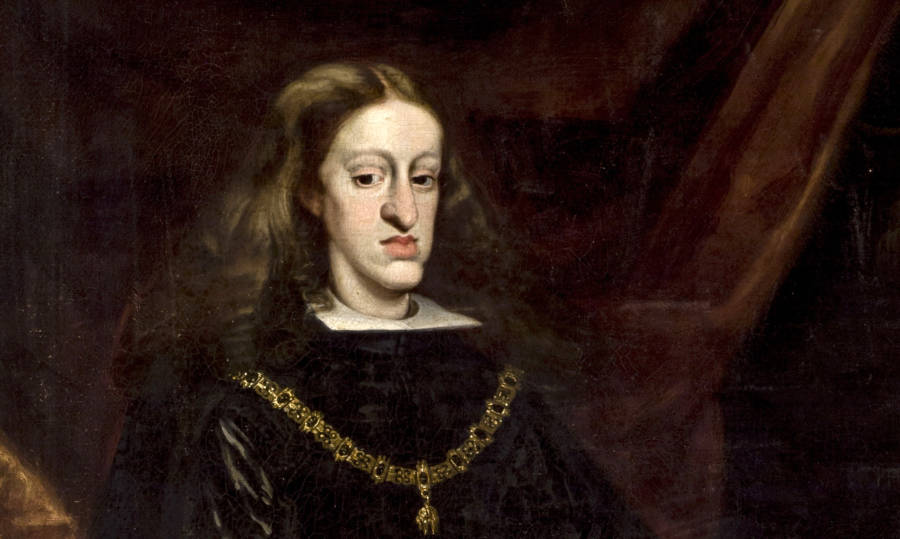
Looking at oil portraits from the Renaissance period, average people look like a lot uglier then than the average person now. I can’t tell if it’s because the paintings were a certain style, like disproportionating faces for artistic affect or something, or if that’s just how people looked. For example, this painting of Anne of cleves looks really realistic, and she looks pretty normal/averagely pretty. It looks realistic. But then this and thispainting of Charles II show him as two different painting but the same level of ugliness. And there’s lots of paintings of different people, in the same style as Anne of Cleves and Charles II’s paintings, that show people looking just as ugly. So does that mean people have gotten generally more attractive/proportionate over time or was the art style just not supposed to be very realistic?
More examples of weirdly proportioned Renaissance paintings: 1 Maria Anna of Bavaria
2 Emporor Rudolf II
3 Willian V duke of Bavaria and his son
4 Anne Boleyn and then 4a Anne Boleyn in a different style
5 James II of Scotland and also 5a his daughter
And 6 , Isabella d’este, she looks more average idk
But yeah I’m just confused man, I know that some portraits made people more attractive to not insult the person, but if that’s a mire attractive version what’s the original yk?
I’m getting a masters in art history - this question really tickled me! I think it’s important to note that sitting for a painting was something only wealthy people could afford to do, up until around the mid 1800’s when middle-class people start appearing more as portrait subjects. Artists would generally work on commission, so they often didn’t choose who they got to paint. The aim wasn’t to just to depict a beautiful person, like a model might do nowadays, but to accurately (with more or less flattery) paint the sitter. The kind of people you see in your average Renaissance portrait would be quite wealthy and not necessarily known for their beauty.
How “realistic” that painting is affected by many different factors - a portrait could be painted to flatter an important patron, it could be painted to idealise a lover, as a serious historical document in a time before cameras, to accurately document a person with their land or important possessions. to transmit the likeness of an important person (eg King, noble, aristocracy) to others who couldn’t see them in person, etc. A painter will also often have their own “signature style” that will affect how the subject appears.
You can still see some examples of beautiful women in renaissance portraiture. This painting by Botticelli, is of a noblewoman woman believed to be Simonetta Vespucci, a noted Renaissance beauty who I think would still be considered beautiful today.
Another important note, our ideas of what is “beautiful” are always grounded in cultural norms. Grooming, dress and styling are all things that can markedly change how “beautiful” we think a person is and these trends go in and out of fashion all the time. Some of the paintings you’ve linked are from vastly different time periods which would have beauty standards foreign to out own. Todays average “beautiful woman” could very probably be unattractive in other time periods.
Also keep in mind that age or restoration attempts can change how a painting (and the subject) appears - for example, Mona Lisa might look a little strange to you as the fine hairs of her eyelashes and eyebrows have faded over time. Most people would probably look a bit odd with no eyebrows!