While waiting for an expert to answer your specific questions, here are some older threads that might be interesting (similar questions come up here frequently!):
Why did it take so long for artists to get to grips with perspective?
Why did pre-renaissance christian art degrade so much compared to the classical period?
/u/sunagainstgold and I answered a very similar question recently:
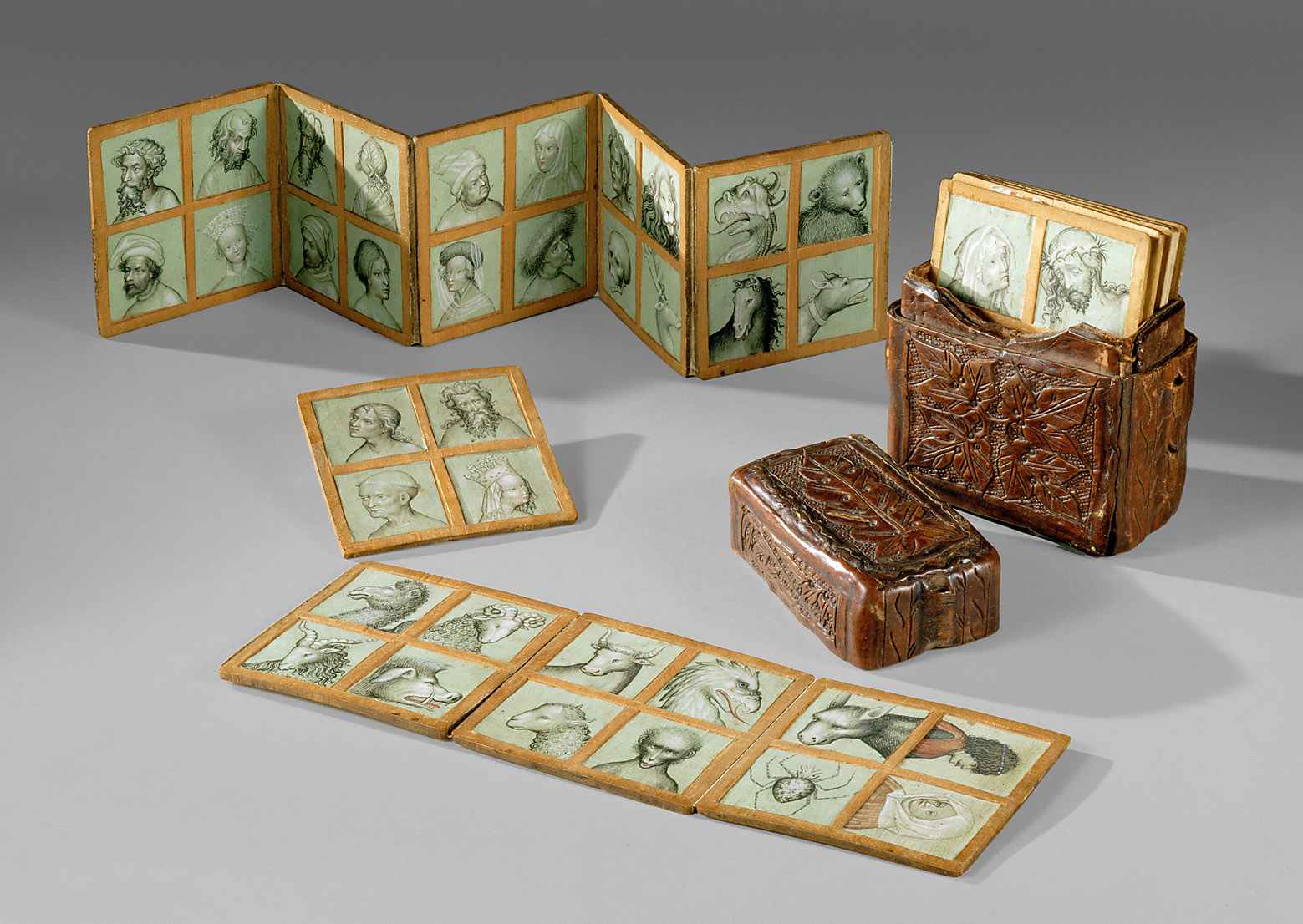
In addition to the excellent responses linked to in the previous comments, I'll add here that many medieval artists (and many artists we lump into the "Renaissance") relied on what could be called "pattern books" or "modelbooks". Modelbooks or pattern books were essentially an encyclopedia of subjects represented by particular drawings: heads, bodies, hands, animals, plants, etc. This is an extremely common type of surviving drawing from the 15th century (perhaps the most common type).
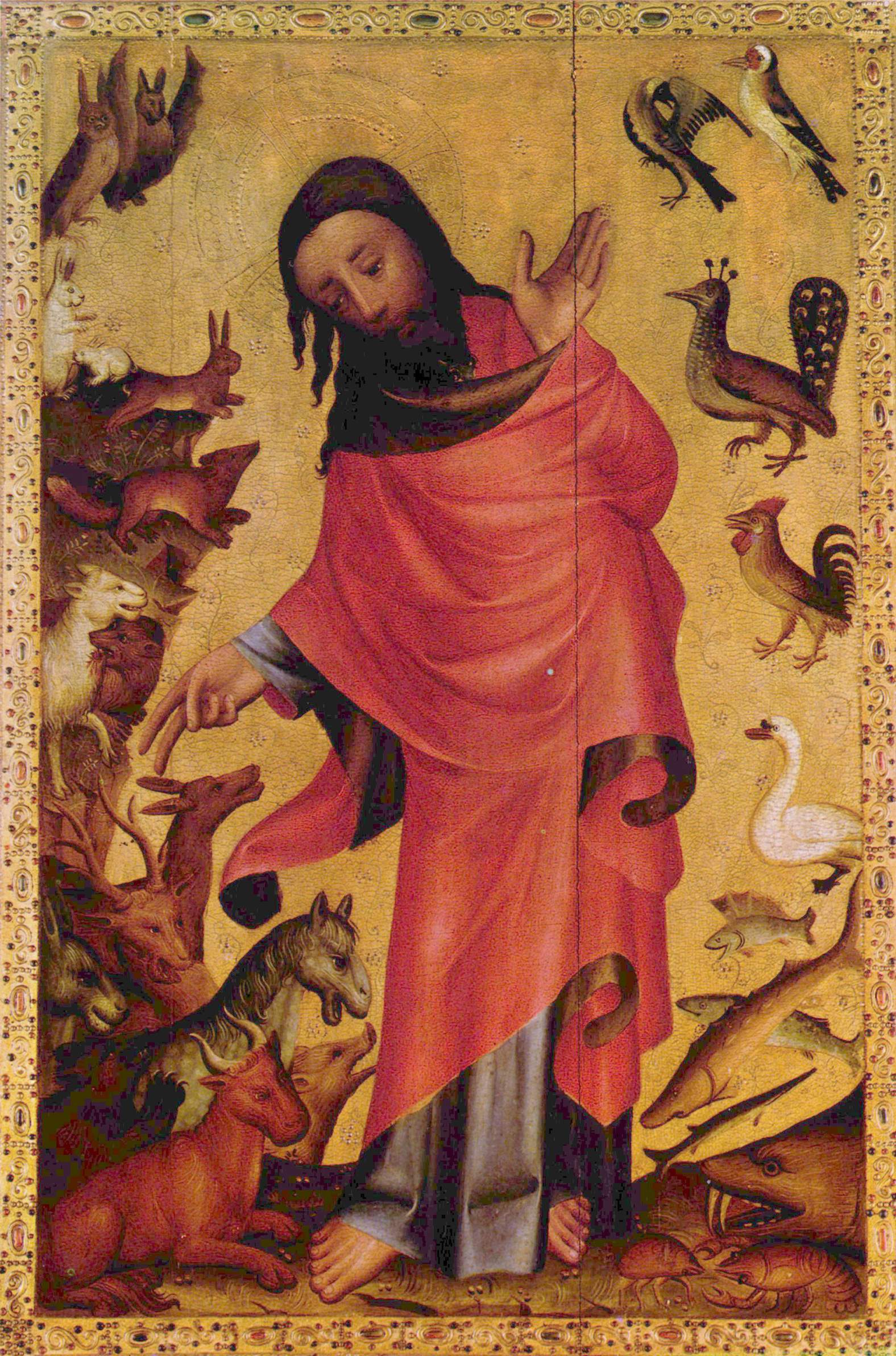
While some of the images in a pattern book might have originally been drawn from life, they generally took on a more abstracted or decorative ideal by the time they were assembled into a collection. It's also likely that many animals (especially fantastical ones) were not drawn from life, but were types based on previous drawings or patterns. The artist could then use these models at will to insert various figures, animals, gestures, etc., into whatever scene they were creating. You can see a rather explicit example of this phenomenon in Meister Bertram's Creation of the Animals from c. 1380 (part of a larger altarpiece), in which the artist has inserted pattern book animals around the figure of God the Creator.
The result was a way to standardize workshop production within a particular shop (as many people might be involved in a particular painting or manuscript) and to conform to generally accepted ideals and fashions about how particular animals or figures should look. Because of their importance to an artist or a workshop, pattern books could be extremely valuable. There is at least one record of an artist taking another to court over some drawings assembled for a model book.
Lest this sound like simple copying (which it was, sometimes—the Bertram example is almost a cut and paste job, to our eyes), recall that the creative combining and reusing of elements from pattern books could result in remarkably novel compositions. And in Northern Europe this combining of elements—whether drawn from life or pulled from books—is seen right through the 15th century.
Note that while this practice is often associated with Northern artists from the middle ages and Renaissance it was also seen in Italian art; Pisanello, who is generally categorized as a Renaissance artists (and was praised by humanists of his day), made use of pattern books in several of his works.
Much of the above is drawn specifically from Craig Harbison's The Mirror of the Artist, which is an excellent introduction to Northern Renaissance art.
EDIT: here is an example of one of the most famous of modelbooks by an anonymous German artist from the 15th century.