I've never heard this before. It's a weird one! There are some kernels of truth, but the answer to this is a firm 'No'. I can address each of the different aspects of that question individually:
Temples for worshipping their gods
We have abundant evidence this is why the Greeks built their temples. It's hard to pick! I think this passage of Plato Laws 10.909e-10a is probably best because it gives a sense (if a cynical one) of why people founded religious spaces:
It is not easy to establish shrines and gods. It needs a lot of thought to do this properly. But the usual pattern - for all women especially, and those suffering from every kind of illness, and in danger and difficulty of any sort - to consecrate whatever is at hand at that moment, and to vow sacrifices and foundations to gods and daimones ('divine beings') and to the children of the gods. Because of the fears they experience in waking appearances or in dreams, as they remember their many visions and look for a remedy for each of them, they fill up all the houses and neighbours and open spaces by founding sanctuaries wherever such an event occurred.
So, basically: Greeks founded temples when bad things happened because they hoped those bad things were happening because they were worshipping the wrong gods or failing to worship the right ones. There are loads of passages that back this up - listing them all would be impossible so I hope this short passage is OK!
...serve as a battery
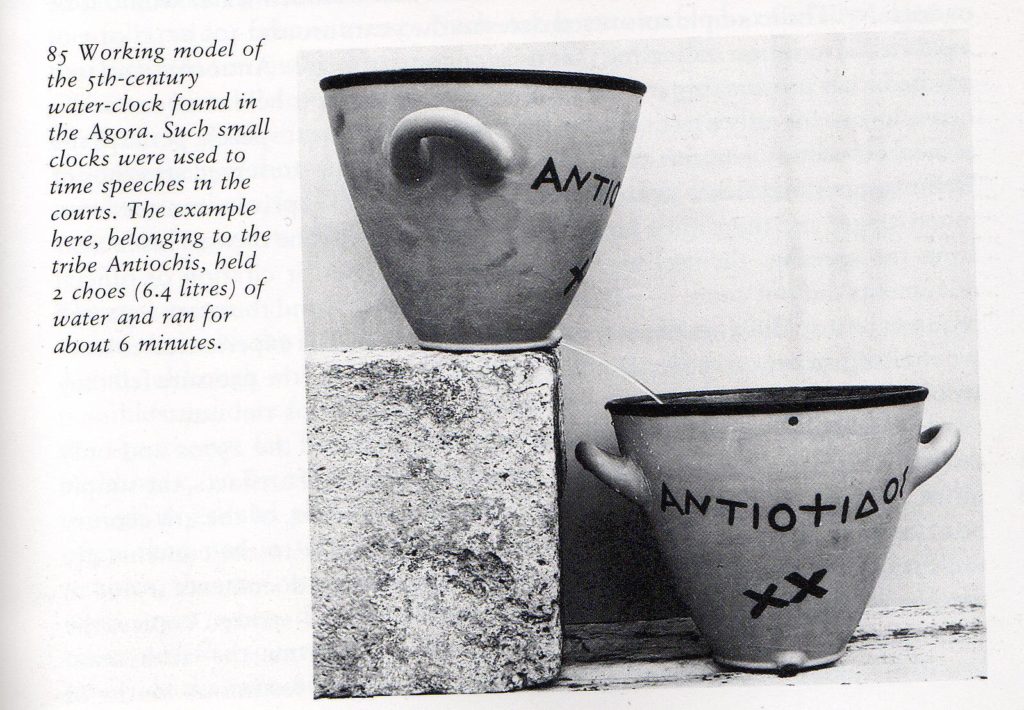
The Greeks did not understand batteries. They did have some understanding of the storage and manipulation of energy, as things like Water Clocks show from a pretty early period. Sciences of energy manipulation were explored in the Hellenistic period, with things like the Archimedes screw and Ctesibius' experiments with hydraulics. But nothing like a battery existed and the idea of static storage like that isn't something I've ever come across in that material.
...not from local stone, but special quartz
I'm not aware of any Greek temples built in quartz. Temples were built from local stone: marble was the ideal, but most were built of cheaper materials. For instance, the Parthenon, the most famous temple of Athena Parthenos that stood (and still stands) in the Acropolis in Athens, was built from Pentelic marble. That is, marble from mount Pentelikon, the key marble quarry within Athenian territory. Another example is the Temple of Zeus at Olympia, which was constructed mostly of local limestone but with roof tiles of imported Pentelic marble (because it was the highest quality in Greece). When Pausanias visited in the 2nd C AD he described the temple (Description of Greece 5.10):
The temple and the image were made for Zeus from spoils, when Pisa was crushed in war by the Eleans, and with Pisa such of the subject peoples as conspired together with her. The image itself was wrought by Pheidias, as is testified by an inscription written under the feet of Zeus:“Pheidias, son of Charmides, an Athenian, made me. The temple is in the Doric style, and the outside has columns all around it. It is built of native stone.
Pentelic marble does, of course, contain imperfections including quartz, and it was commonly exported and imported, so my guess is Pentelic marble is the origin of your 'non-local special stone'.
...water running under it
There were sacred streams but they certainly weren't next to the temples or under them. Sacred streams typically ran through the edge of the temenos, at or near the boundary of the sacred precinct. They were there for many reasons, not least for washing to purify yourself (and wash off the dust of the road) before you entered the sacred space. For instance, if you go to Delphi today you can (and should) wash your hands and/or feet in the sacred Castalian stream before you climb the hill and visit the temples there, just as the visitors would have two and a half thousand years ago:
The woman of Delphi sits on the sacred tripod, and sings out to the Hellenes whatever Apollo cries to her. But you Delphian servants of Phoebus, [95] go to the silver whirlpools of Castalia; come to the temple when you have bathed in its pure waters; it is good to keep your mouth holy in speech and give good words from your lips [100] to those who wish to consult the oracle.
Euripides Ion 90-102
Thanks for the question.