I’ve always learned about Ancient Rome (ending 455AD) and Greece (ending 146BC) being massively advanced however the Middle Ages (starting in 426AD) comes after those and from pop culture it’s shown to be a miserable, horrible place with next to no advanced culture/technology.
In the post I’m mainly talking about European culture however it’s be interesting to learn about other civilisations there were around at the same time for context.
from pop culture it’s shown to be a miserable, horrible place with next to no advanced culture/technology.
There's a very teleological problem at the heart of this discussion, in so far as pop culture discussion of the Medieval period seems limited solely to agrarian village life, as well it might, but that interpretations of the Classical period focus on urban centres. That, of course, brings its own collection of problems, such as the underlying assumption that an urban population is somehow more 'advanced' than an agrarian one. Certainly, urban centres remained hubs of trade, commerce, religion and culture, as they are today, but this was as much the case in the Medieval period as the Classical one. That a post-Roman population collapse meant that these cities were often much smaller does not somehow make them less urbane.
The central tenet, I suppose, is what we deem "advanced culture/technology". Would you deem illuminated codex manuscripts less culturally 'advanced' than a scroll? What makes Beowulf, Chaucer's Canterbury Tales or Mallory's Morte d'Arthur less culturally valid than Ovid or Homer? Pliny's depiction of the strange creatures of inner Africa was as wildly bizarre when he wrote it - or indeed copied elements from Ctesias - as it was when it was re-used by Adam of Bremen to describe Scandinavia, and yet Thietmar of Merseburg writes a surprisingly detailed and compassionate anthropology of the Wends. Are we to say that the highly skilled metalwork and inlaying of the Staffordshire Hoard finds are somehow less culturally 'advanced' or valid than Classical work?
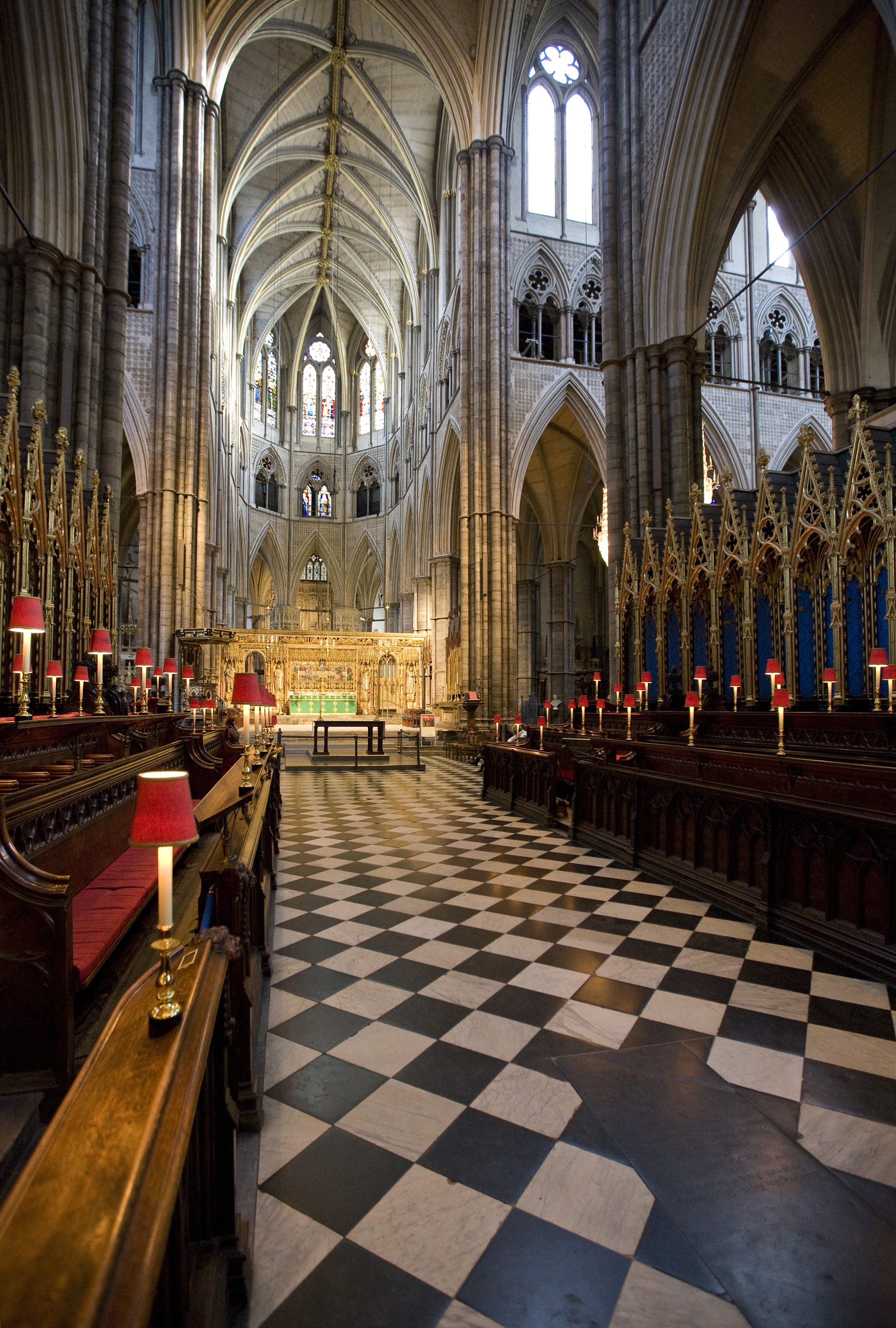
What do we count as technology? The development of three-field rotation from the 8th century onwards vastly improved crop yields and soil health in Medieval Europe, for example? The introduction of the stirrup around the same period revolutionised the role of cavalry and changed the face of warfare for centuries. Probably the most notable technological change is the development of Gothic architecture. There were some notable feats of Romanesque architecture in the Early Medieval Period, of course, but Gothic was a major game-changer. The development of far more sophisticated vaulting allowed for the construction of far more advanced buildings, particularly the ability to build much taller and airier structures with much thinner walls and columns, and much bigger windows than the Romans could ever have managed. Sites such as Westminster Abbey or Winchester Cathedral are testament to Gothic and the Decorative Gothic style that evolved from it in the 13th Century, while the development of bar tracery and the growth of the English Perpendicular style in the 14th Century provided masterpieces of architecture like the King's College Chapel in Cambridge.