When you see someone draw a crown they usually draw something like this. However, when you look at results for real-life crowns, you see something very different. Almost all of them have some sort of domed cage on top. I understand that drawings and depictions in media will often involve simplification, but the difference seems to be more than just simplification. The spiked ring shape seems to come from something else entirely.
Aha! A subject I have knowledge of! The difference you are seeing between the "common depiction" of a pointy crown and the "search result" of a crown with arches stems from a variety of sources.
And let me start by limiting our scope; I am only going to speak of crowns from the European Christian tradition. There are numerous examples of crowns and ceremonial headgear from cultures outside of the European Christian tradition that will be different and not relevant to my discussions.
To start out with, there needs to be a distinction made between different types of "crowns". Type and ornamentation of crowns has historically been limited both by the rank of the wearer, and the occasion of wear. Specifics could vary significantly over place and time, so I'm going to be working with more general design features.
The arched crown (what you called a domed cage) is what is most properly called a "crown". Its wear is restricted to currently reigning monarchs (*with an exception for the Virgin Mary). Probably the best-known example is the British St. Edward's Crown. (Papal mitres/tiaras also share an ancestor with domed crowns, but that's a whole other post!)
The "spiked crown" and all its variants, are most properly called "coronets", literally small-crowns, defined by the lack of domed arches. These could be worn by reigning monarchs, heirs, and varying degrees of nobility.
In the modern European tradition, the arched crown is often worn with a velvet and ermine cap called the "Cap of Maintenance". Although it is most often displayed with the crown, the cap is properly a separate piece.
Studying the history of crowns is complicated not only by the relative scarcity of these objects, but by the fact that a large percentage of extant pieces which have survived from medieval or pre-medieval times have been passed down and used by rulers for centuries, and been reworked and repaired numerous times.
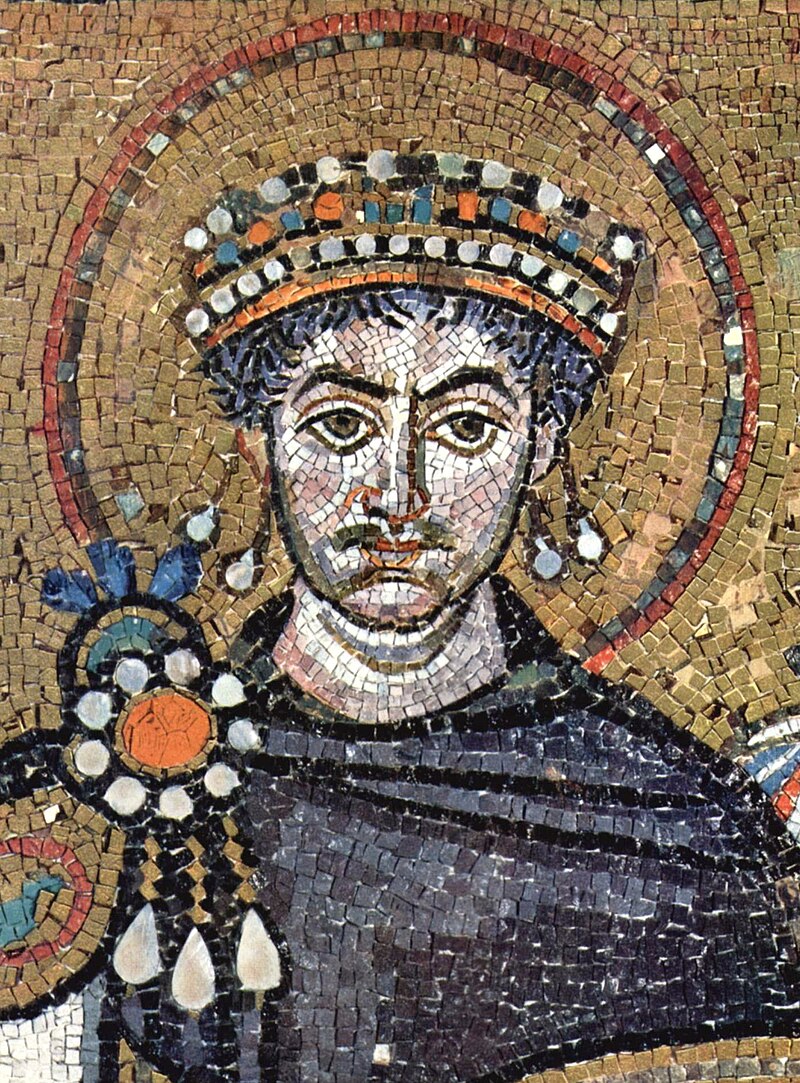
The earliest hard examples of a crown in the European tradition can be traced back to the Byzantine Empire. These consisted of a wide and heavily ornamented ring. Here is an image of Byzantine Emperor Justinian I. Justinian ruled from 527-565ce. The image is from a mosaic in a church in Ravenna, Italy, and dates from the 6th century, so roughly contemporaneous to his rule.
An extant example of this style is the Iron Crown of Lombardy, which resides in Milan, Italy. The Iron Crown is a "reliquary" crown - legend says it was ordered to be forged by St. Helena, mother of Emperor Constantine, and contains a nail of the True Cross. Already in the European royal tradition, crowns are associated with Christianity and the Divine Right to rule.
Dating of this piece seems to indicate it was assembled of separate components dating to the 4th-5th century CE. The Iron Crown was used as a coronation crown for the Kings of the Holy Roman Empire, including Charlemagne. It continued in use until the 19th century, with it last crowning Ferdinand I. When not in use for coronations and funerals, it was held safe by church officials.
The first "arched" crown seems to have been developed around the 11th-12th century. Two examples survive from this time. The first is the Holy Crown of Hungary. The enamelwork plaques are of Byzantine make, and indicate the crown was gifted from the Byzantine emperor Michael VII Doukas to Hungarian King Geza I ~1070CE. The rest of the crown, however, shows signs of reworking. It likely reached its final form in the 12th-13th centuries. It probably began its life looking closer to the Iron Crown of Lombardy. It was used to crown monarchs until the early 20th century.
The second arched crown of this era is the Imperial Crown of the Holy Roman Empire. It seems to have suffered from fewer repairs over the centuries. It has only a single arch crossing the dome of the crown, and the solid arched panels are suggestive of Byzantine design influence, though the crown itself was most likely manufactured in Germany. It dates roughly to the late 10th-early 11th century. It was used until the fall of the Holy Roman Empire.
Holy Roman Emperors continued to use a arched crowns throughout the course of the Empire. Portrait of Frederick III (1468) Imperial Crown of Austria (1602)
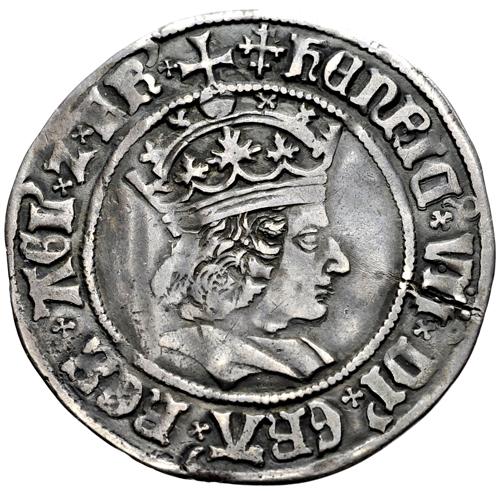
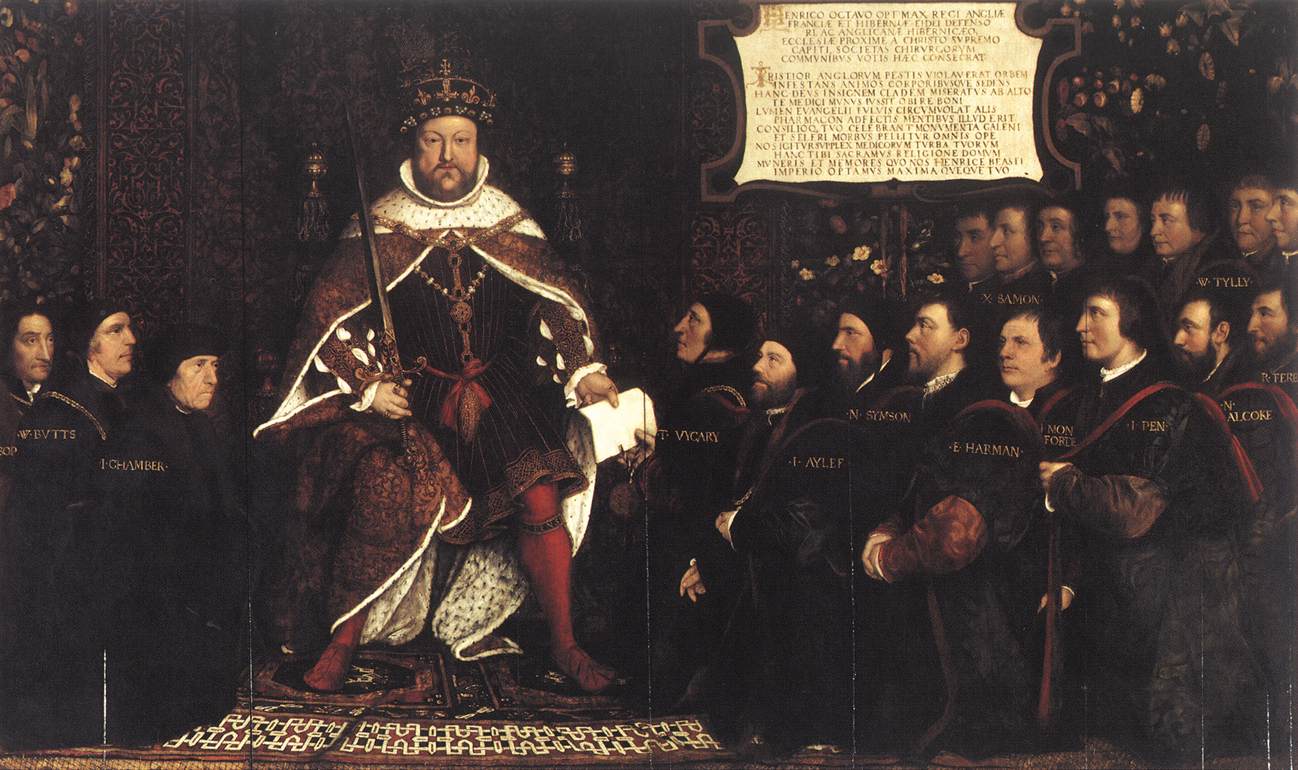
The earliest reference I can find for the use of an arched crown in Britain is a coin from the reign of Henry VII Tudor. His son Henry VIII, and granddaughter Elizabeth I, both wore arched crowns for their coronations. The arched crown is not attested to in England before the Tudor era, and may reflect a deliberate choice to separate their dynasty from that of their predecessors. By the end of Elizabeth's rule, the modern form of the arched crown has appeared. This portrait of James I may show the first iteration of the St. Edward's Crown.
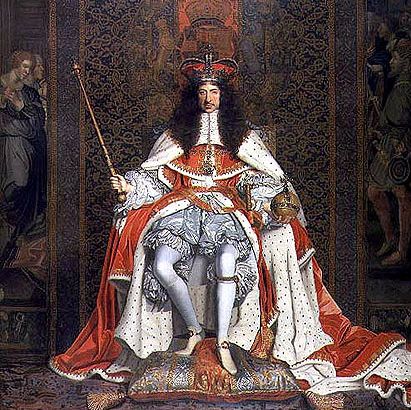
The original St. Edward's Crown does not survive; it was stripped of jewels and melted down under Oliver Cromwell. Here is Charles II, wearing a recreated St. Edward's Crown for his coronation. This is the same crown I linked to in the beginning of this reply; over the past 4 centuries it has been reworked and modified for successive rulers many times. It supposedly contains pieces of the pre-Cromwell crown, which may be true.
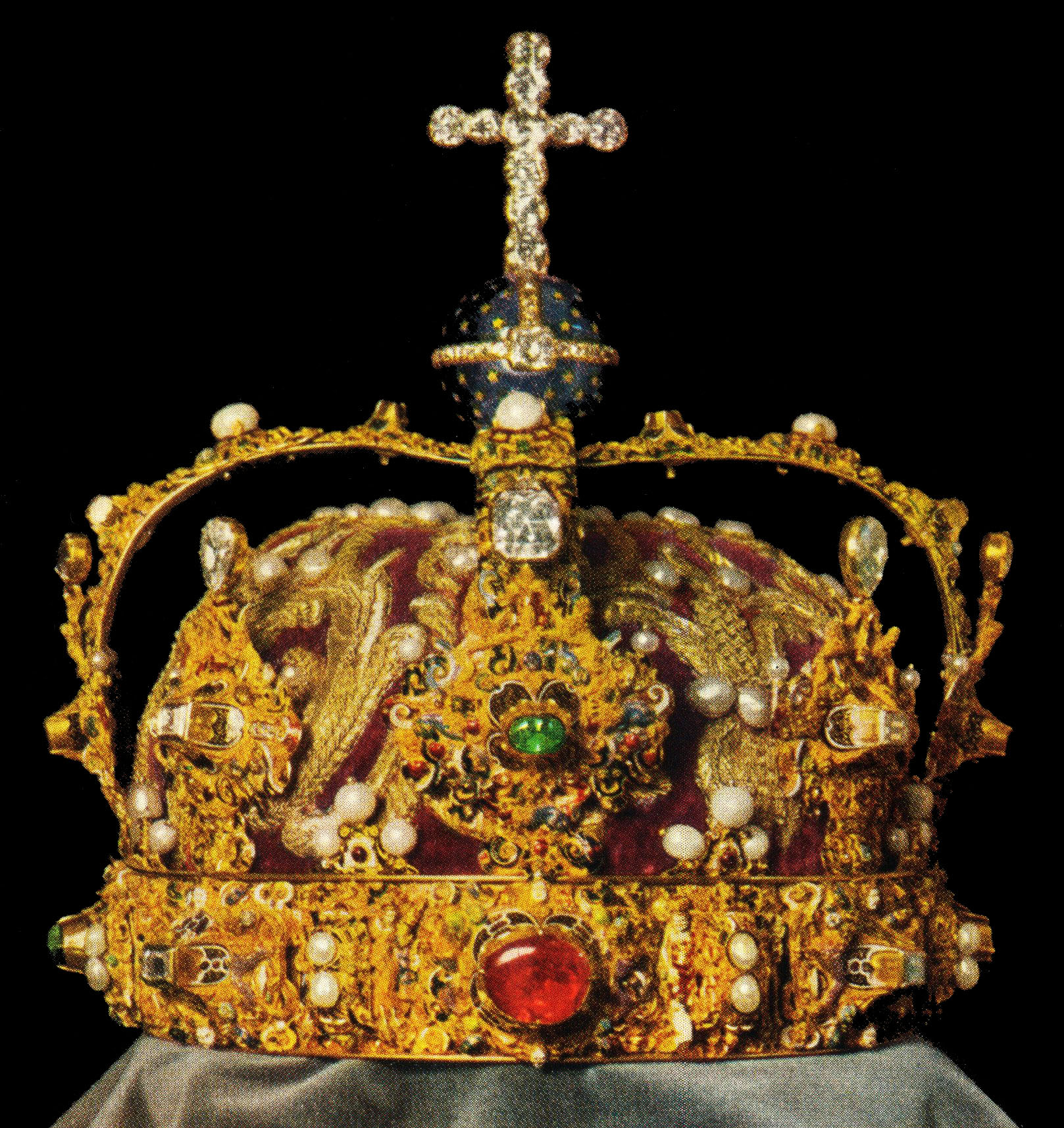
Outside of Britain, the use of arched crowns seems to have gained popularity in the 16th century. The Crown of Eric XIV of Sweden was created in 1561. The Crown of Louis XV of France was created in 1722. The Corona tumular of Spain was commissioned by Carlos III ~1766, but has literally never been worn.
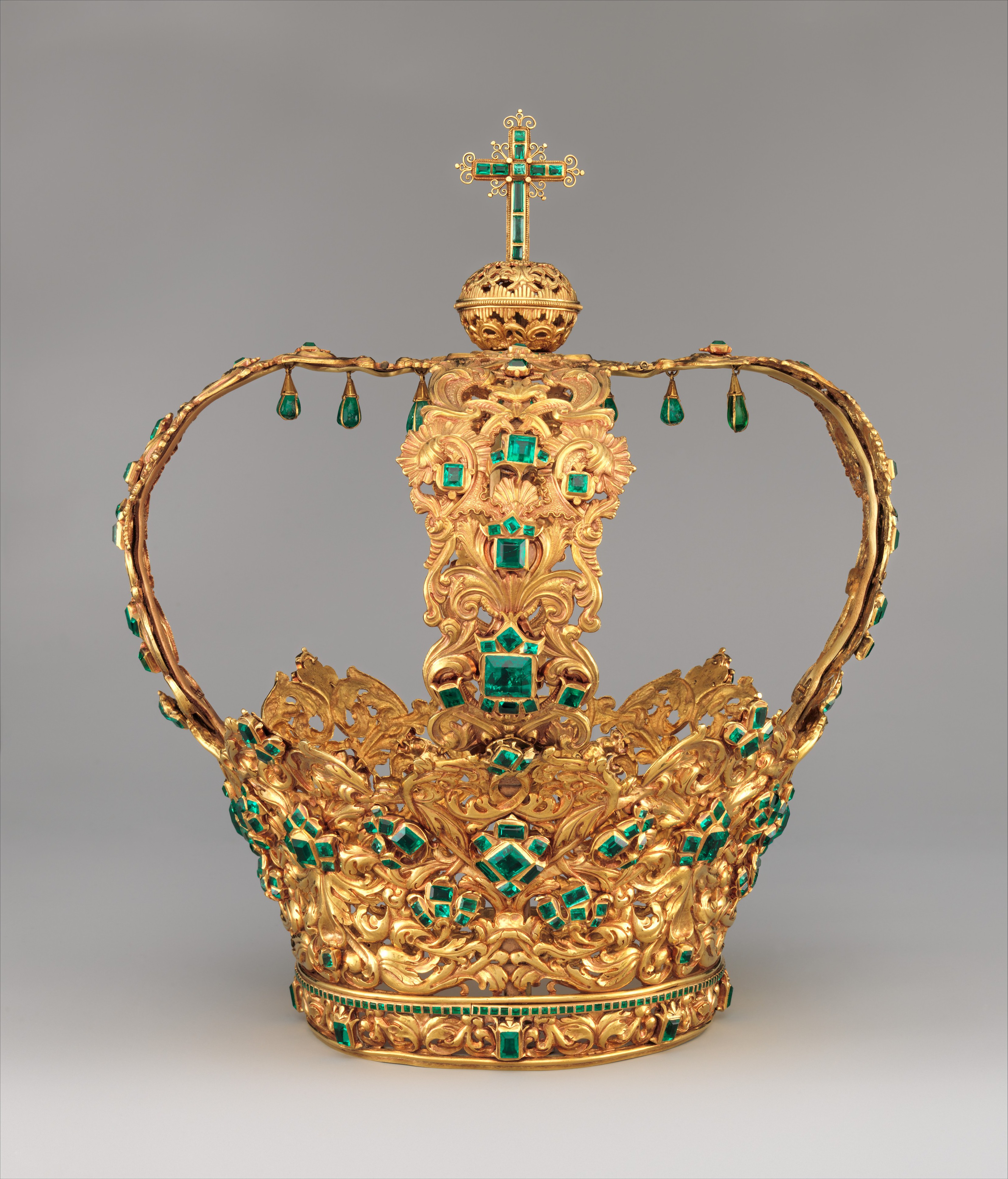
Outside of coronation regalia, arched crowns were confined to use in churches and cathedrals, as votives to adorn statues of the Virgin Mary. The Virgin Mary, as "Queen of Heaven" was entitled to wear an arched crown, like any other sitting monarch. This extended even to colonial areas; the Crown of the Andes was created for a Mary in Popoyan, Columbia. In the 1800s, Queen Isabella II of Spain donated her diamond and topaz crown as a votive to the Virgin of Atocha in Madrid.
I'll make a separate post to discuss some of the history related to coronets, as this is already running quite long.