First of, let me clarify that I am absolutely uneducated in this subject, so my explanation will probably have many errors, I will try to be as clear as possible on this.
If I am trying to recreate/discuss historical art styles, I could say, for example, "Mayan style", or "like drawings on roman vases", or "medieval paintings", or "ancient egyptian style", and most people will understand which kind of drawing style, use (or lack of) of perspective, and general look am I talking about. And (again, this is a completely uneducated idea) most of the things we have from these periods have roughly the same style. It doesn't seem to really matter who were the artists, the style is always similar and specific to the culture.
However, when we get to more recent times, even before globalization, art styles span very short time periods (Like "Pop art from the 60s") and we can differentiate immensely between the styles of two artists from the same culture and time. Even if I go digging on art from the 60 from one single place, I will find lots and lots of different styles, with only some common ground between most of them.
While it is much more difficult to record the exact dates of ancient paintings, which I guess is the obvious reason for not being able to pinpoint very decade-specific styles, I am very surprised that all/most I have seen from specific cultures look exactly the same. Why was art so uniform in ancient cultures? Thanks!
First of all, ancient art is more diverse than you're giving it credit for, but I suspect you already know that.
But there are several reasons why, to a modern eye, "Egyptian art" or "medieval art" might be so easy to identify as such.
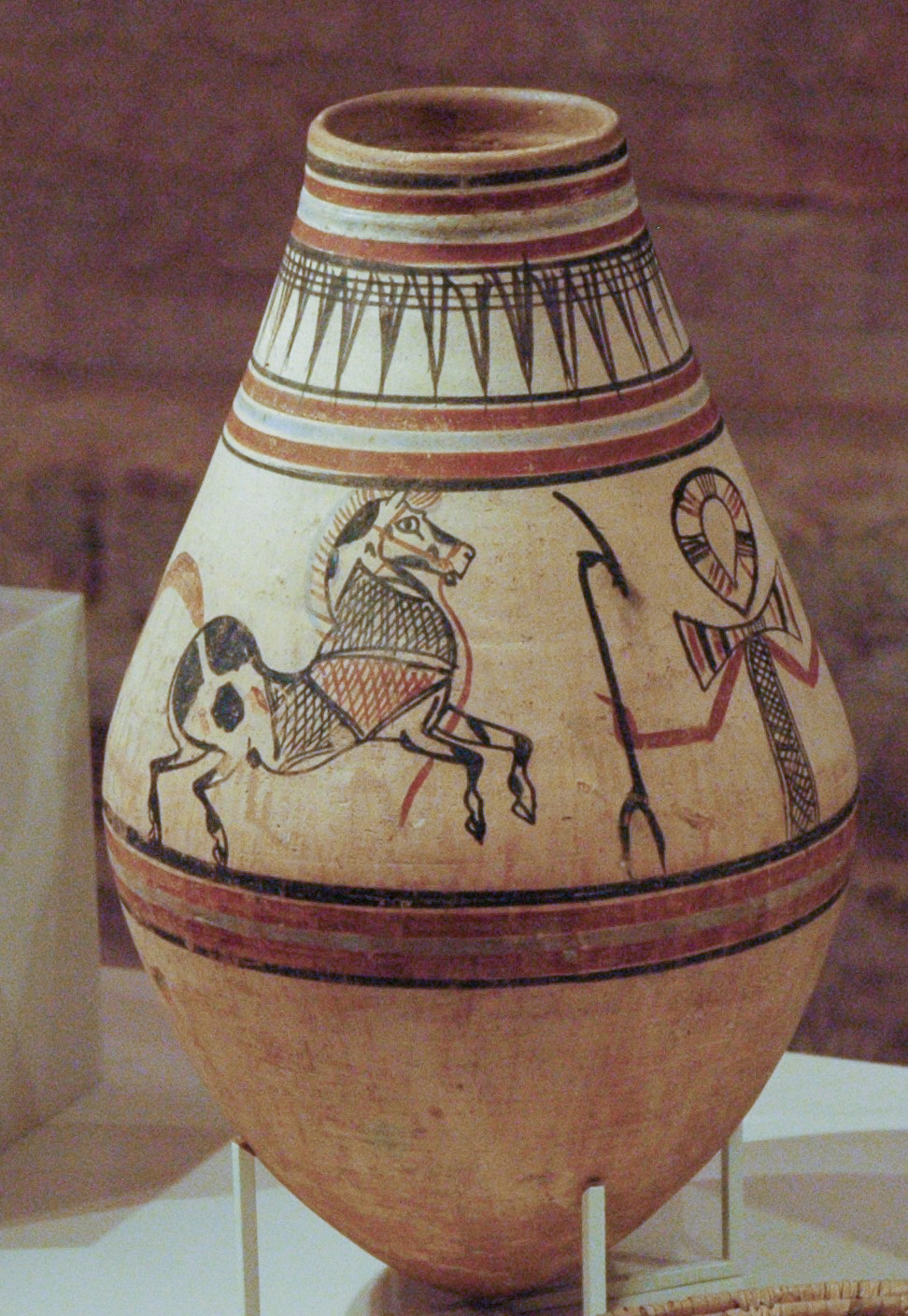
First of all, artists don't create in a vacuum. Art is, at it's core, a trade. Older artists indirectly influence and directly train the next generation of artists. Let's take pottery as an example. Someone taught the maker of this pot not only how figures "should" be drawn, but what shape the pot should be and what shapes and colors should be used to ornament it.
Materials also make a huge difference. Access to specific dyes, clay/stone types, woods, etc. is highly varied, and how they're processed varied as well. The items in this display case vary widely and represent a variety of subjects, some of them non-European, but most people would look at the white and blue coloring and immediately recognize them as Dutch. This comes down to specific materials and processes used by Dutch artisans. Part of the reason Spain and Mexico tend to be more strongly associated with red in art work is the availability and usage of a specific insect, though it was later used more widely.
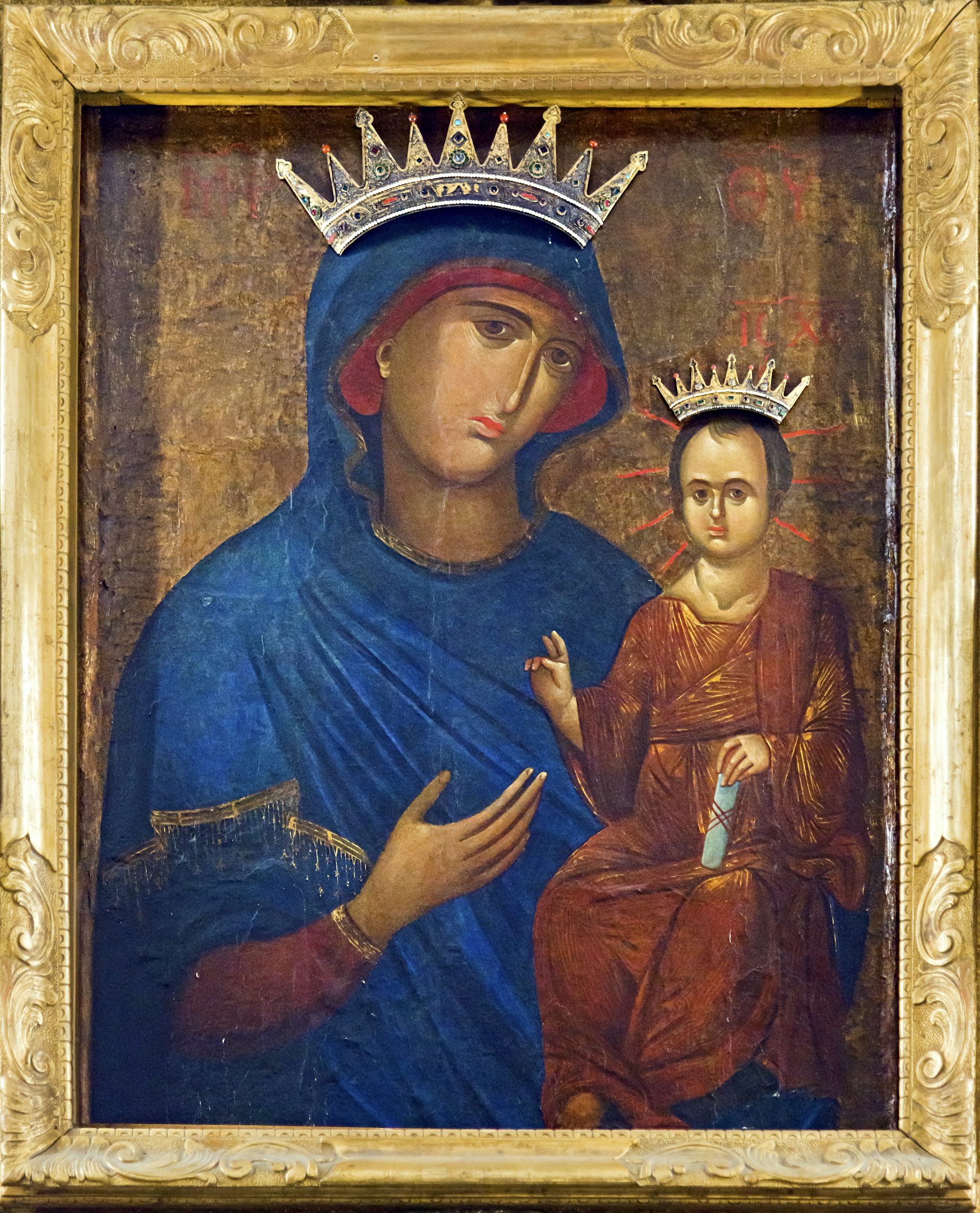
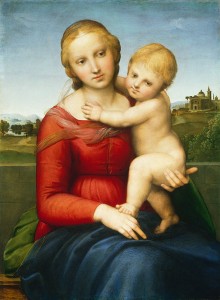
In addition to the above, you have the market. Whether it's something meant for public use, private ownership, or something in between, people have expectations. Certain subjects are also popular in certain cultures at certain times, training the viewer to see religious art as most frequently associated with the middle ages. And professional art historians can of course date works much more specifically based on trends and cultural tastes at the time. My favorite example of this is adult baby Jesus. In short, medieval artists were both relatively unconcerned with "realism" and uncomfortable with portraying Jesus as a (helpless and rather useless) baby. But as trends shifted, naturalism became more common and cultural attitudes had shifted to think of babies and children as the ultimate innocents - so of course depicting Jesus as a baby would be welcome. Not to mention the fact that the new middle classes buying art simply wanted to look at cute babies. So when art historians see an adult baby Jesus, they can date it to a specific time and place. And subconsciously, we know that this baby is more "medieval-y" than this baby.
With the advent of photography, paintings became a way to depict something visual, not the way. The world also became increasingly industrialized - the vast majority of goods in a western home (like pottery) were mass-produced, not crafted by an artisan. Both of these things meant that artists like the impressionists began exploring what exactly art was and what they wanted to say. And increasingly globalization means that artists had access to virtually any material they require and can be influenced by contemporaries halfway around the globe. While trends and patterns obviously do exist, as the definition of "what is art" evolved, it became harder for a untrained eye to look at a specific work and pinpoint it's origin and time period based on the materials, themes, and style.