Taking a look at Japanese Aircraft carrier design, I sometimes see smokestacks and bridges being moved below the flight deck or put at a offset to the deck, rather than the dominant idea of aircraft carrier design of the time, which was on the flight deck and in line with the ship. What purpose did the Japanese design serve? And why was this only done on certain carriers? Thank you for answering ahead of time.
The early years of aircraft carrier development were a fascinating time, mainly because nobody quite knew what the "right" layout for an aircraft carrier was yet. Experimentation was required to find what worked best... or least worst sometimes... and this resulted in design choices that look decidedly odd to modern eyes. Usually the logic behind these choices were sound. It's just that those pesky aircraft kept having special needs that had to be met.
An example of this is trying to figure out what to do with all that exhaust created by the boilers and furnaces of the ship, an item that was of concern to all fleets, not just the Japanese.
The Royal Navy vessel HMS Argus can lay claim to being the first ship to have the now-normal "flattop" appearance. Commissioned in 1918, her original design actually had two islands parallel to each other on either side of the flight deck, each with a single funnel. The ship's bridge was literally a bridge connecting the two over the flight deck. Sadly for us, but the exact opposite for pilots flying from the thing, wind-tunnel testing proved the design to be flawed and as constructed she had an unblemished flight deck.
But without the twin islands removed, what of her funnels? These were trunked underneath the flight deck to exhaust directly astern the landing platform normally, but during flight operations it would be diverted out two side-mounted exhausts instead, a better solution but only barely so.
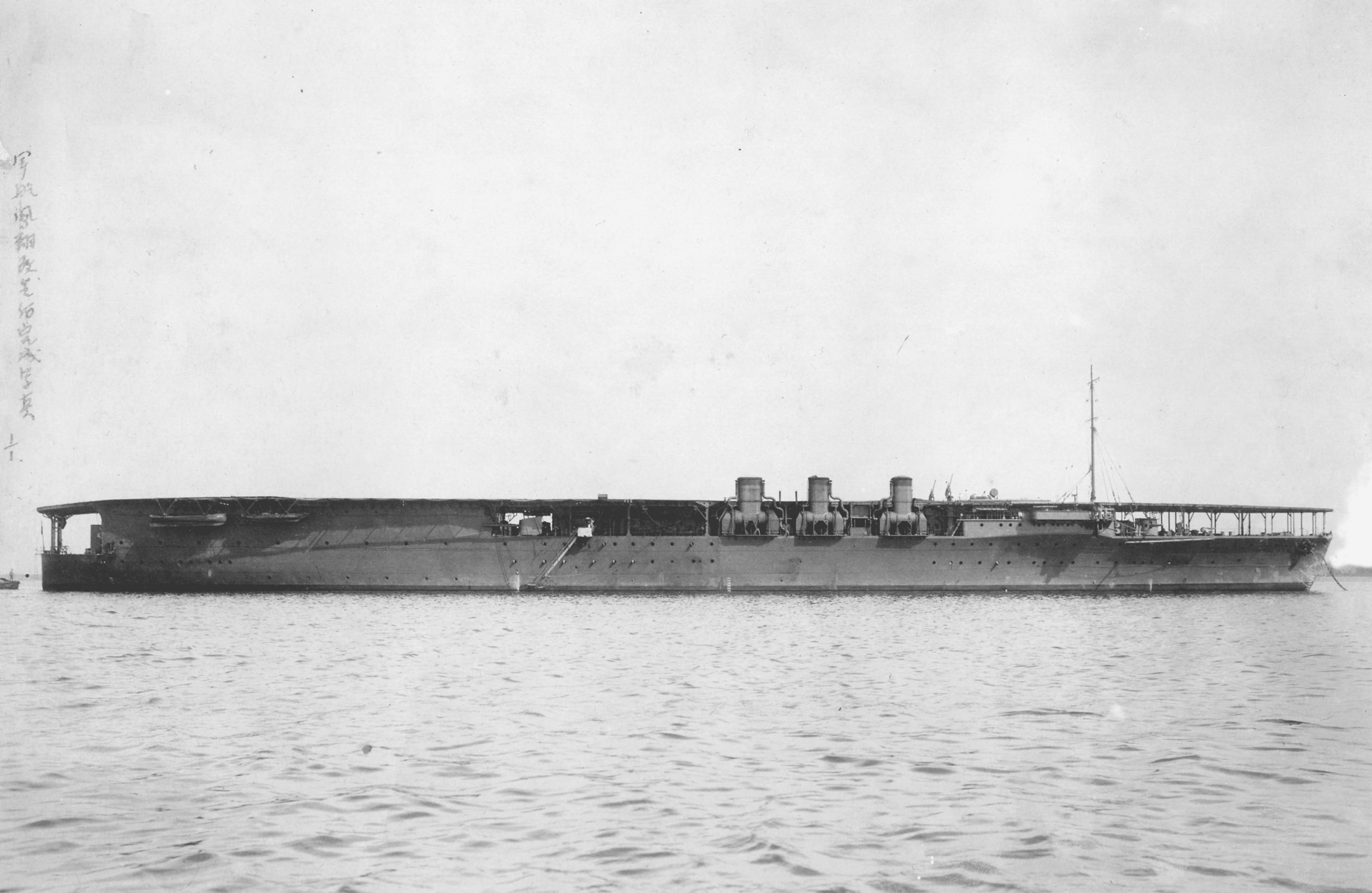
In the light of this experimentation, the design choices of the early Japanese carriers become more sensible. The Hosho, Japan's first aircraft carrier, had three stacks on the starboard side that could be swiveled down during flight ops. This turned out to still cause problems for flight ops, but no solution presented itself immediately.
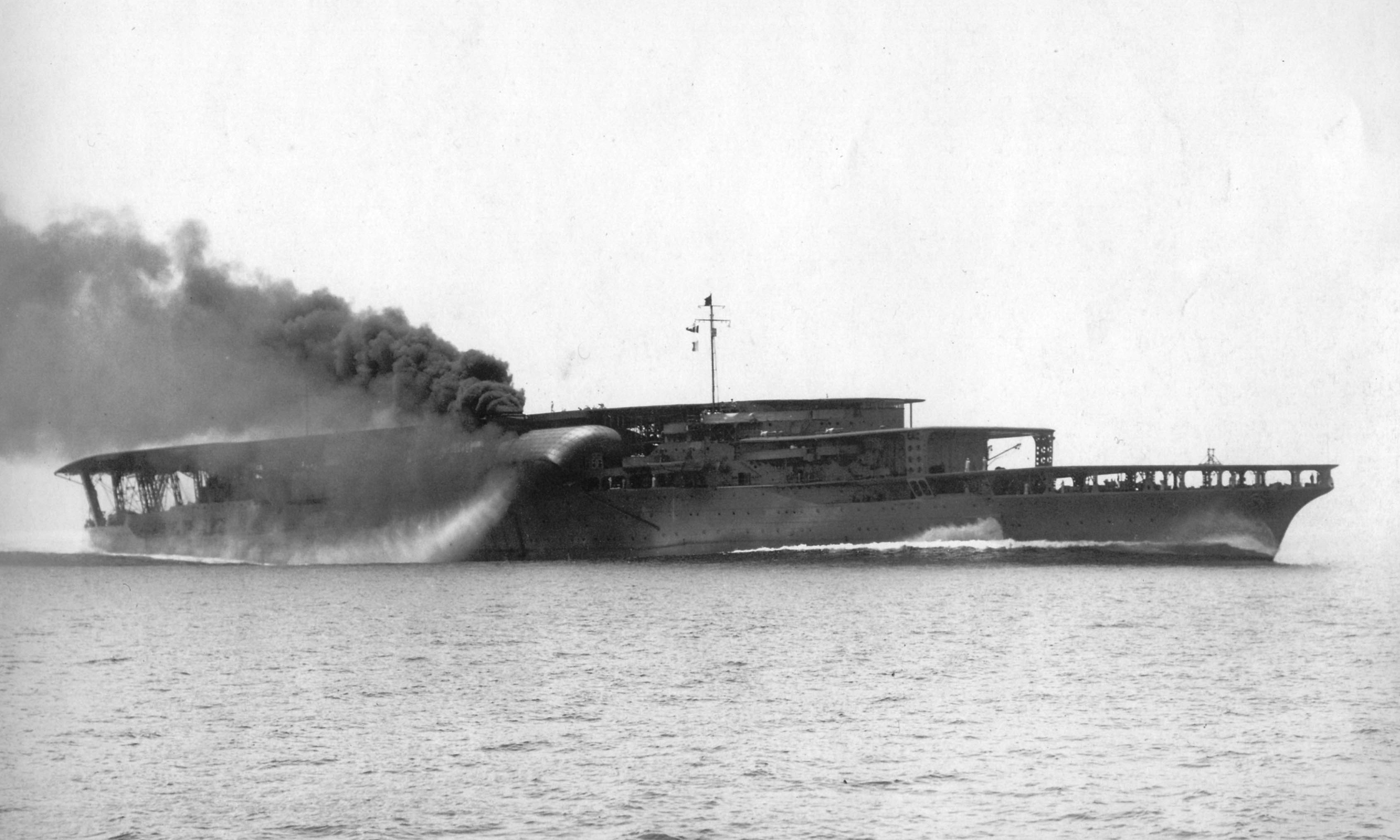
Japan's second carrier, Akagi, had two funnels on her starboard side. The forward one pointed down towards the sea in an attempt to have the gases clear the flight deck, while the smaller one just astern exhausted vertically just to the side of the flight deck. The larger one also had a water-cooling system built into it in an attempt to dissipate the gases as much as possible.
The next carrier, Kaga, was used to test another exhaust system, this time trunking the fumes from amidships down the sides of the vessel to exhaust from both sides farther astern. This did not work well either, in part because the ship, converted from a battleship hull was unable to move fast enough to "outrun" her exhaust. Since the Akagi method was the least objectionable, Kaga's exhaust was converted to that style during a later refit.
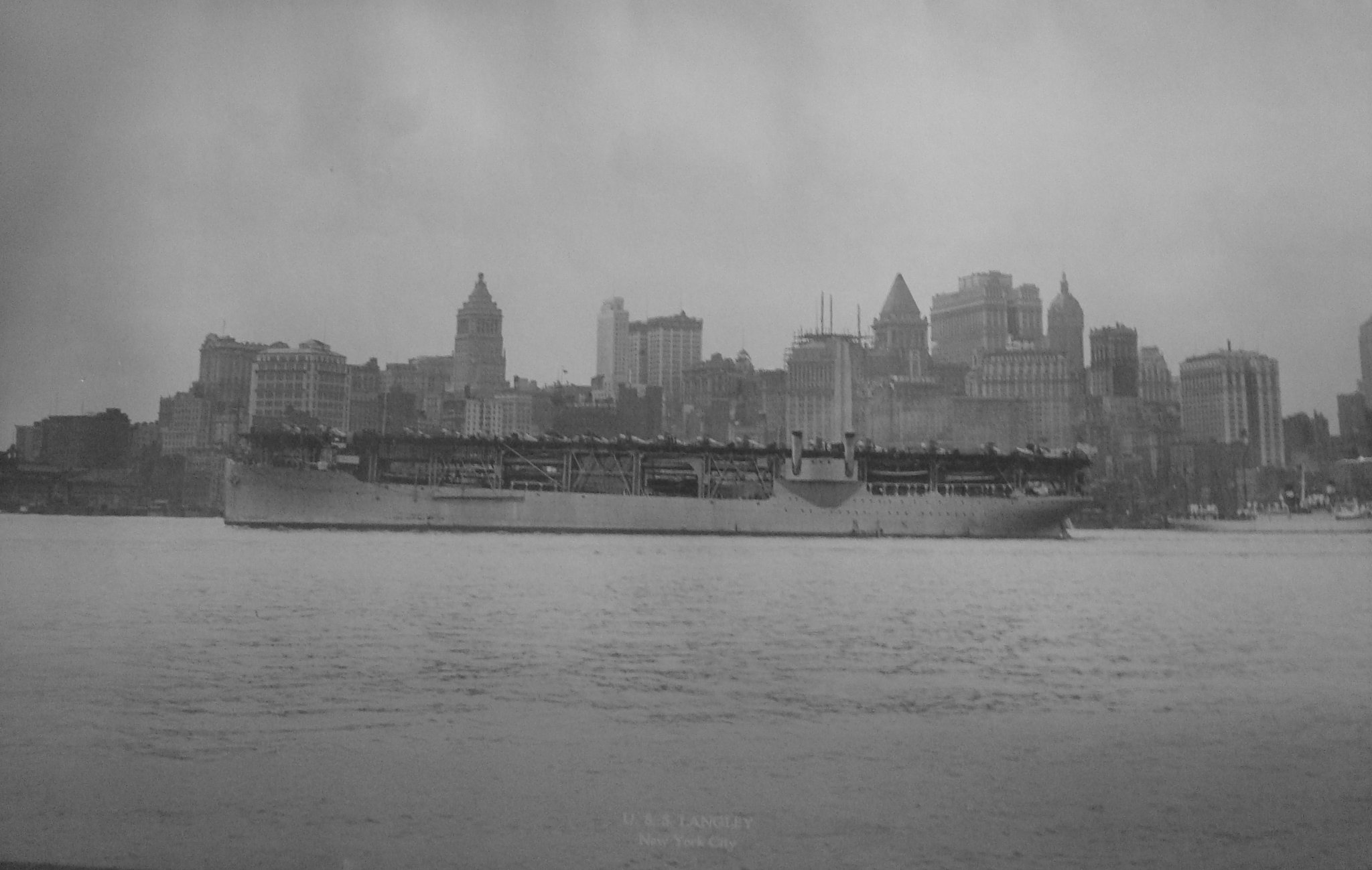
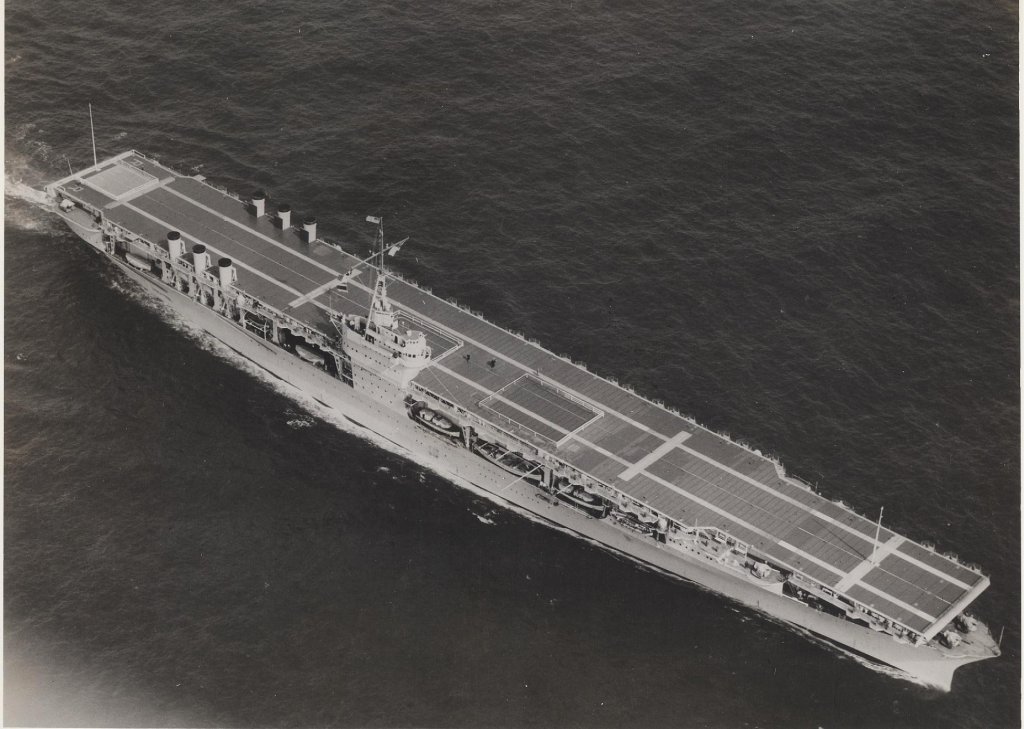
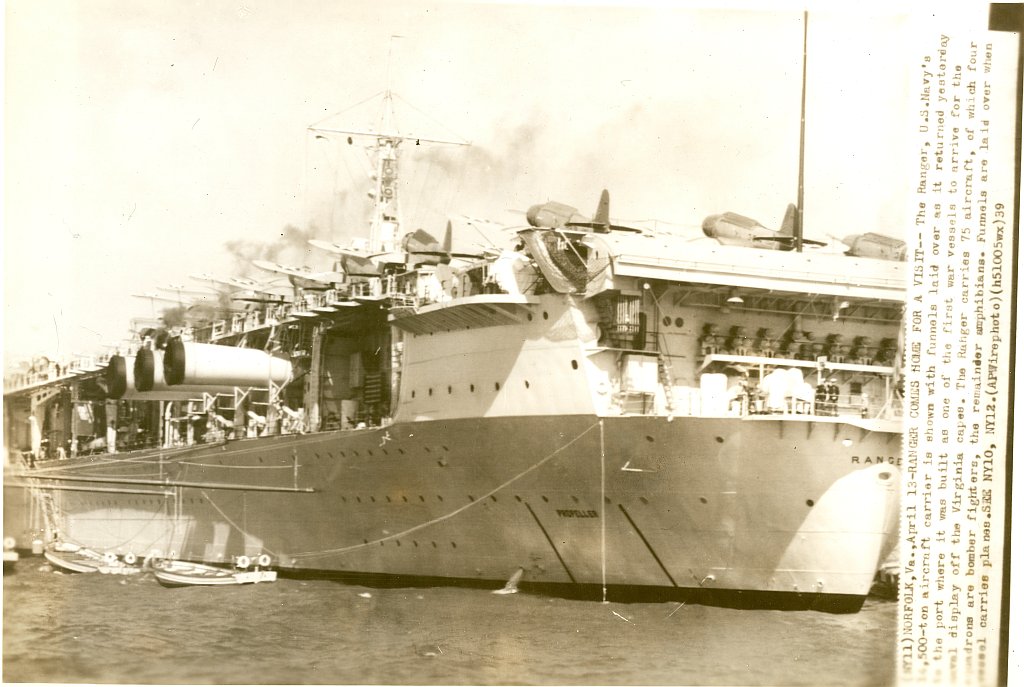
Even the apparent masters of carrier design, the US Navy, had to experiment with such things. USS Langley, their first carrier, was built with a pair of swiveling stacks on the port side. USS Ranger, CV-4 but the US Navy's first purpose-built aircraft carrier, had no fewer than six awkwardly-positioned swiveling stacks that could be lowered during flight ops. Mind you, this came after having had nearly seven years of experience with the Lexington-class carriers and their more recognizable island/stack combination, though not what could be termed "conventional".
Again, it all came down to experimentation and gaining experience on what to do (and what not to do!) when building an entirely new class of vessel to make use of a new weapon of war.
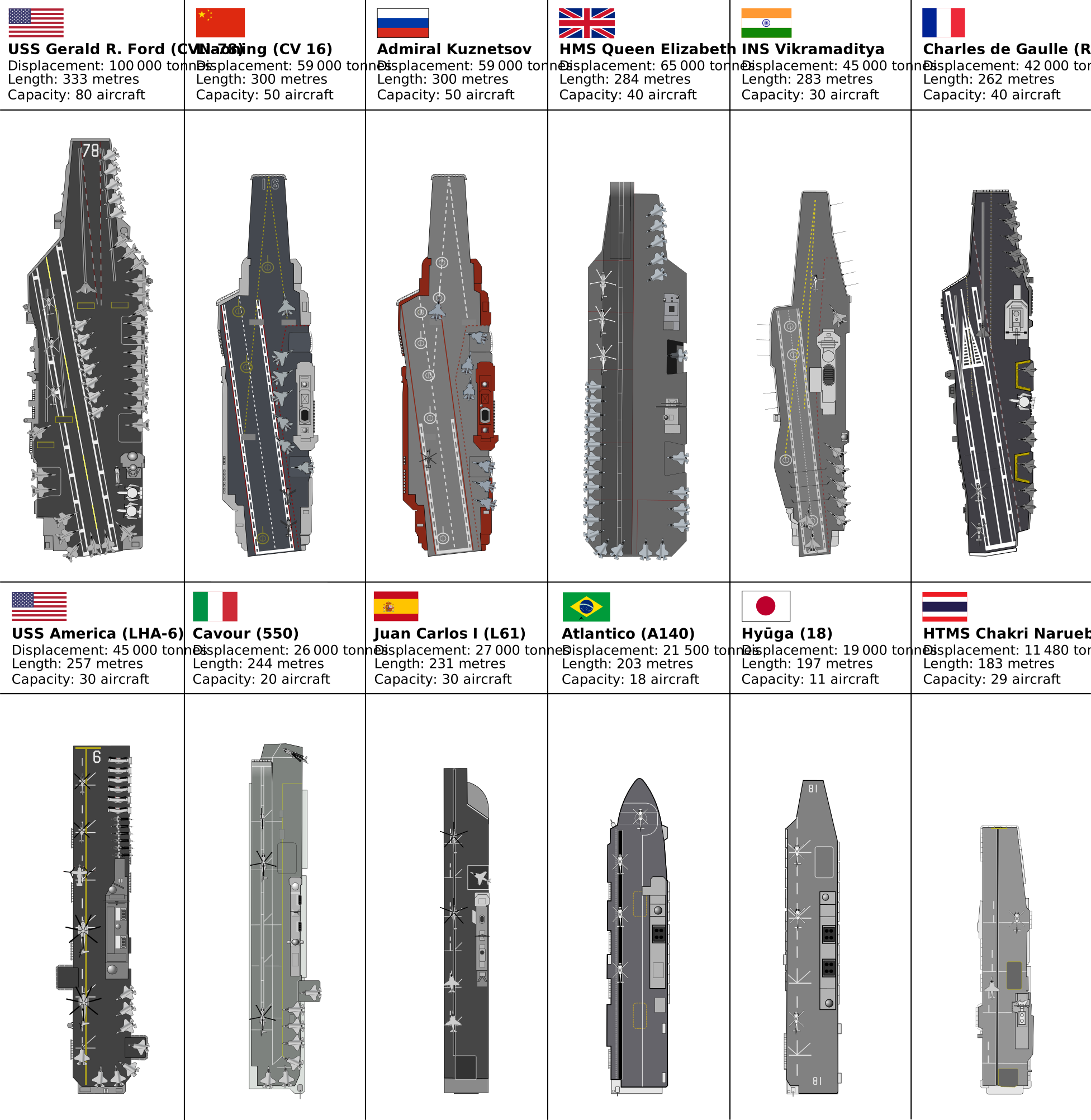
Even today, navies continue to experiment on such things as island location and layout. The newest class of aircraft carrier, the UK's Queen Elizabeth-class has moved away from the single-piece island to a twin island design, while the US has moved the islands of their supercarriers from more-or-less amidships on Enterprise to quite far aft in the Nimitz-class.