How much did the cannons destroy?
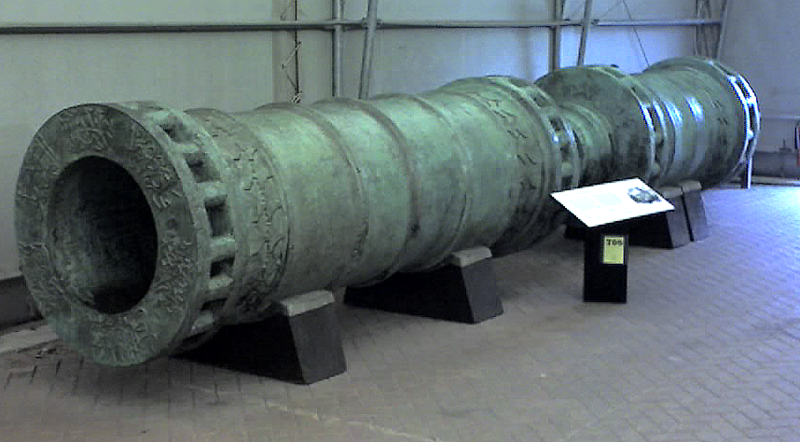
Mehmet II brought over a hundred cannons of varying sizes to bombard the Theodosian Walls during the Siege of Constantinople, including a handful of incredibly large super-bombards (one surviving cannon still exists, the Dardanelles Gun,) capable of launching a 600 pound stone ball over a mile. These cannons were indeed successful in breaching the walls, but there were severe drawbacks to using the cannons, as well as strength in the Theodosian Walls that were unique to the Romans' construction of the walls that caused the siege to drag out over the course of months, rather than days.
While these oversized bombards were successful in eventually breaching the walls, it took nearly 2 months of constant bombardment on a single area of the wall to create an opening. What contributed to this was the cannon's extremely slow firing rate, with crews operating the cannon taking between 3-5 hours to reload and fire another shot. This gave the Byzantine defenders enough time to repair damaged sections of the wall between each shot as well as overnight. The cannon also had tremendous recoil to account for, as well as being LOUD, loud enough to injure the crewmen loading and firing the thing, further causing delays between each shot.
The other factor to account for was the Theodosian Wall itself, which instead of being a traditional wall of all stone blocks and mortar, was made of a thinner wall of limestone that contained an interior of crushed bricks, thickly packed to create a softer, gravel-like interior of the walls. This construction was originally meant to make the walls resistant against earthquakes which are common to the region, with the crushed brick interior acting as a shock-absorber so that the walls wouldn't fall to the tremor. Against cannons, this construction proved useful as once a stone ball breached the outermost limestone layer of the wall, the walls interior was able to absorb much of the kinetic impact of the cannonballs. This mitigated the potential damage the bombards could do and allowed for quicker repair of the walls by Byzantine engineers each night and between cannon shots.
Even though the damage from the Ottoman cannons was mitigated by such constraining factors, 2 months of repeated firing at the wall near the San Romano gate was able to open a hole in the wall where the Turks mounted their final assault, eventually able to storm through the breach, capture the gatehouse, and the city quickly fell after the defenders broke and fled.
For further reading, feel free to check out The Fall of Constantinople 1453 by Steven Runciman
Edit: typos