We live in a house built in1910 in Lafayette, IN. We are having some HVAC work done and the workers discovered a 2nd attic that used to be part of the house - it has crown molding, wallpaper and shiplap. In the attic we found 50 pound bags of seeds, corn, and beans, along with farming brochures. Any ideas of the timeframe? It seems the seed company started in 1880. The label from the seed company was on the bad with small seeds - I can't read the writing and don't know what type of seeds they are. Thanks!
Cool score!
I'm a plant and garden nerd too (I wear many nerd hats, what can I say), and I happen to work with a historic plant center and used to work at a post-civil war farm. Studying farming labor contracts of the post war era leads to farming practices, too, and it just kinda ballooned from there. So I did a little looking on this and here is what I found:
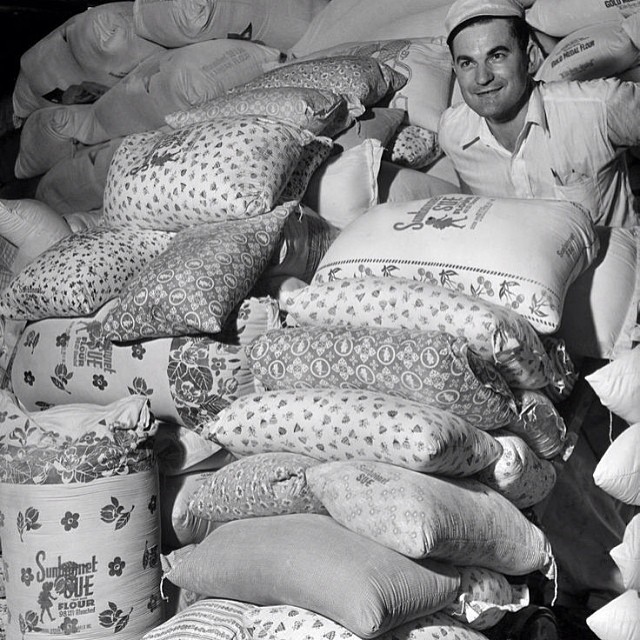
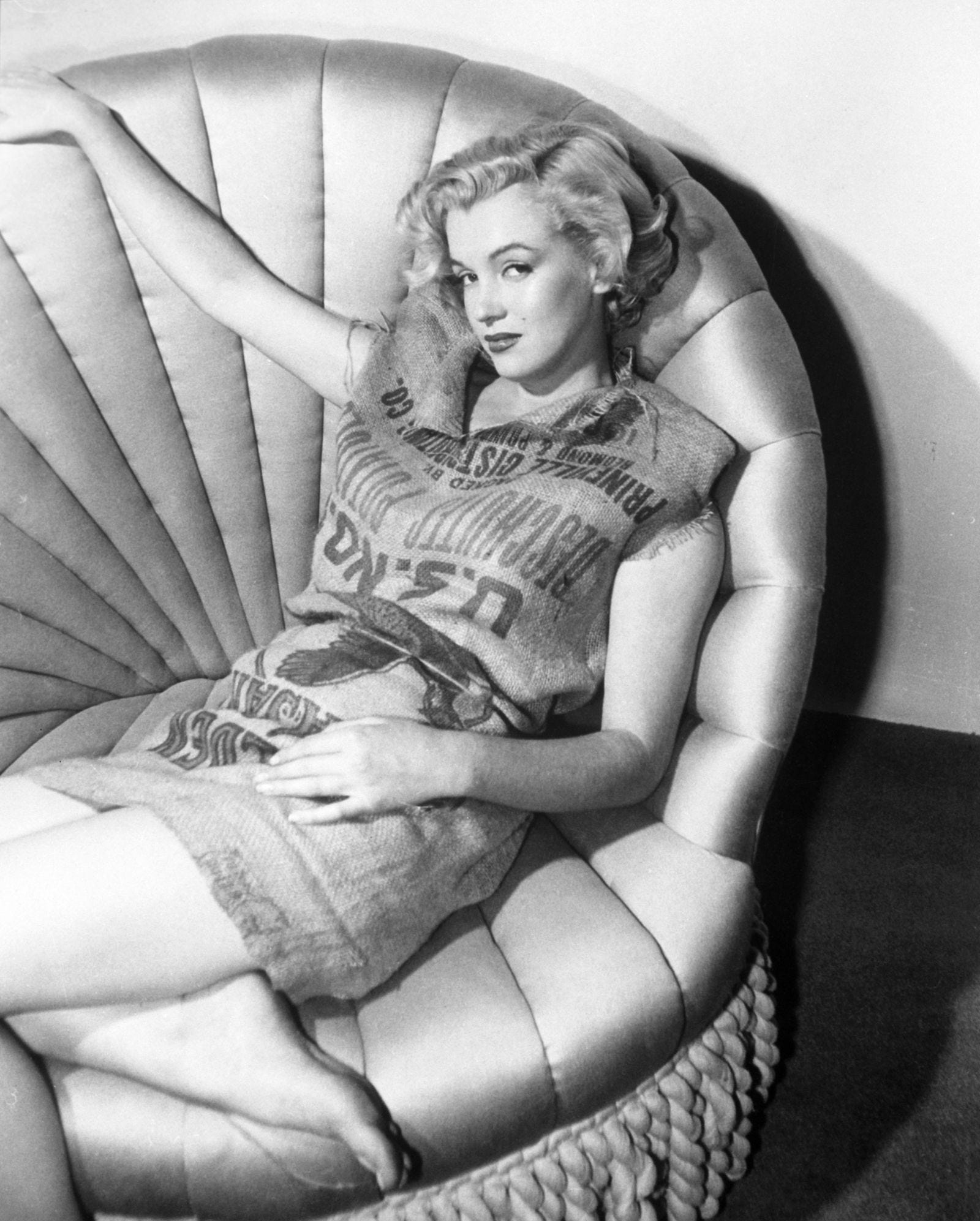
Bemis seemless cotton bags in that style were made for about 100 years, from the late 1800s until the 1970s when the last cotton seemless Bemis bag was made at their Alabama facility. Not only were they strong, they were reusable - as in they went back to the manufacturer. In the '30s we passed food laws incidentally prohibiting the reuse of flour sacks, so after that they commonly became dresses instead. There were even contests for ladies to make the nicest one and companies even began to [put patterns] (https://lisalouisecooke.com/wp-content/uploads/2017/11/flour-sack-dresses.jpg) on flour bags and [advertise the fabric] (https://i.pinimg.com/originals/9d/3d/8c/9d3d8c2a6f6ac2a5f495cf59c8c687b2.jpg) to gain the wife's influence in purchasing that brand. This didnt happen as much with seed bags, but did to some extent. My wife's grandma (who is still around) used to wear these to school as a young girl (though hers were usually burlap). They were not patterned, and as you can imagine she was harassed by those more well to do children for wearing her sack dresses. A few years later in 1951 Marilyn Monroe took a series of photos in a [burlap potato sack] (https://miro.medium.com/max/3200/1*lYO-bXA2RwoEXmQqGZ-FhA.jpeg), which frequently replaced cotton during the war due to the military need for supplies.
Bemis opened their own cotton mill about 1900 but had used seemless sacks earlier, which date to around the civil war by design but were not common for another 20 years or so. They later stamped additional details under "Bemis" on the face of the bag but I'm not versed enough to know how those subtleties align with year of production, if at all. So a really cool bag that likely dates from the early 20th, but as far as I can see it could have been from a 20+ year span (particularly since at that time those bags were reused).
Assuming it as a set purchased together, the book, however, helps us zero in a bit more. The National Manufacturing Company in Des Moines developed and designed their Ideal Corn Tester machine and were awarded a patent for it in Oct of 1909. It was advertised in the configuration you see in that brochure all through the 1910s, making this most likely from the mid/late 1910s to early 1920s. Given that your home was built c. 1910, this all fits neatly. I'd wager a guess of just pre US entering WWI, but that's just my best guess for an exact date. 1910-1920 is a pretty safe bet without seeing it more closely. It would have been burlap later on, and the seed tester didn't hang around too long. So what was that? A bunch of trays with individual cells in a box that water and a seed were put into, then heated by a kerosene lamp placed underneath to test germination of those seeds individually and subsequently the germination rates of certain ears/stalks/plants, leading to a more successful planting and subsequent harvest. Previously the "best practice" was putting 2 or 3 seeds in each hole and hoping for the best, which is something many of us still do in our gardens today to overcome the issues germination rates cause.
Without seeing more detailed photos or the items in person, this is the best answer I can give to date those items. I'd also love to check out that secret attic and the architecture of that home! Sounds like a change was made concealing some cool craftsmanship but also creating your own personal time capsule. I had the opportunity to be in a retreat home used by FDR that still had the same wallpaper - it's such a cool thing to be able to step back in time and literally live history. What a high.
Btw, those little seeds appear to be [clover] (https://gcs-wp-assets.s3.amazonaws.com/2017/04/07085344/mediam_red_small.jpg), and the tag looks like it says [something] SWT CLV, or sweet clover, a ground cover or "cover crop" often used in conjunction with farming to "build" or replenish soil nutrients, control weeds/pests, control erosion... generally just protect the field for the next cycle and in numerous ways. It was very common to use sweet clover as this type of crop around the turn of the century (it actually was used as a crop as early as the 1660s), adding to the legitimacy of yours being an older find from the wee years of the 20th century. Additional fun fact, sweet clover is fantastic for the production of honey and still commonly used for that purpose today (we even use it for our honey production). It's really hard for me to see the letters, but it looks like it may say "Red and swt clv" which would still fit with era, climate, and practice (yellow and white clover are types of sweet clover while red is not). The red may also indicate it was intended as a forage crop for livestock which is much more rare these days for a simple reason: sweet clover can be toxic when foraged by livestock (red clover is still used as a forage crop).