If you'd look at the countries in the 17th and even early 18th centuries by various metrics, the Dutch were very clearly ahead. In terms of GDP per capita, urbanization, agricultural productivity, and financial sophistication. So how did the Netherlands fall behind and even lag behind much of Europe when it came to industrialization?
I can only provide a small part of the answer, I'm afraid. Whole books have been written about Dutch industrialisation, but I haven't read them, nor do I feel qualified to speculate.
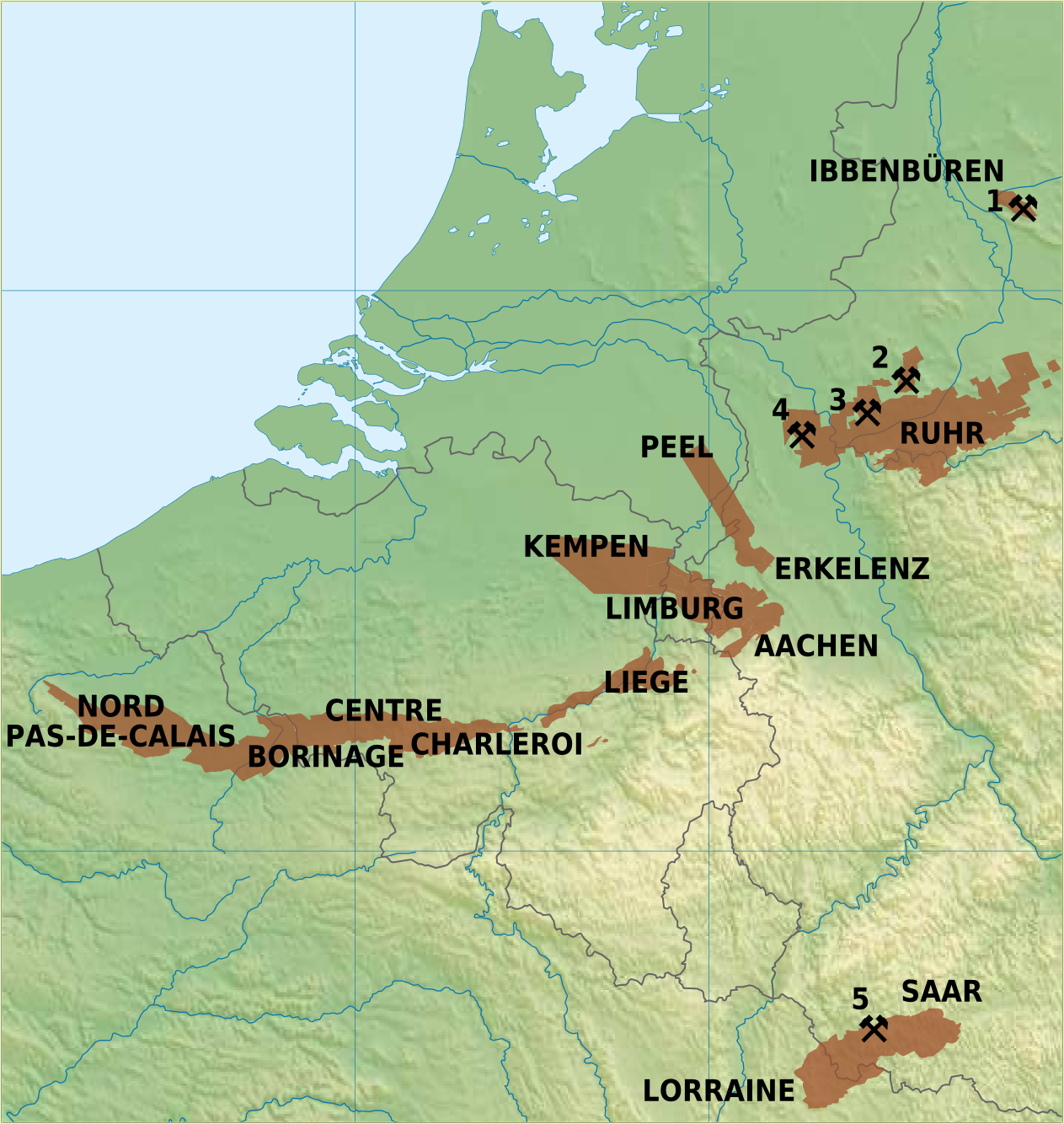
What I do know, however, is summed up on the following map:
https://upload.wikimedia.org/wikipedia/commons/7/71/CoalDNLBF.png
This is a map of the coal deposits in the Benelux area. If you look at historical industrial areas in the region: that's where they are. Nord-Pas-De-Calais in France, the Wallonian coal belt in Belgium, Belgian and Dutch Limburg, and the Ruhr in Germany. One of the driving factors in the 19th and early 20th century industrial development was access to coal. Industry has a heavy demand for energy, as a requirement for producing steam/electricity. Coal provided that energy. But another characteristic of coal is that it is - as they say - heavy and cumbersome as fuck. Transporting it was definitely possible, but it was much more economic to simply put the factories where the coal was.
There are exceptions to the rule. You can see this very well in Belgium, where the overwhelming majority of early industry was localised around the coal belt. But up in the more rural and more traditionally trade-focused north, you also had the textile mills of Ghent. And while Ghent became a real industrial city in that sector, the main industrialisation focused around heavy industry (mainly steel) in the south.
That said, if you look at the map, you'll see that the Netherlands only have coal mines in Limburg and to a lesser extent in Peel. During the 19th century, the (heavy) industry that the Netherlands had was located nearly entirely around these areas - with Maastricht in Limburg as a particular focal point. The rest of the Netherlands simply didn't have decent access to the most important resource for industrial development.
But, as I said, this is only a small part of a bigger picture. Geographical problems can be overcome, if necessary. The whole story most likely also involves the wars with Great-Britain and France, the power of the mercantile elite and the fact that their mercantile ways didn't exactly bankrupt the country, the rich Dutch colonies, etc. But here's one piece of the puzzle, at least.