I was looking at a picture of a soviet era twin jet powered train and its shape was very odd. In the west, before the 90s, most vehicles were well designed and looked beautiful. Clean curves and lines. However, when I look at soviet era vehicles, they seem mishappen. The worst are the box shapes, but that can be understood to have come from cost cutting measures, similar to the houses, correct me if I’m wrong please. But even major infrastructure projects, such as trains and airplanes, which would have been used to showcase soviet technology and design, just look like things were attached without thought for design. Most of these vehicles were also notorious for not working very well either.
So my main question is why were these vehicles, specifically the ‘larger’ and more important vehicles designed so terribly?
Your question contains a fundamental problem with a lot to unpack: it attempts to place some sort of objective measurement of what is undeniably subjective. If “Soviet era vehicles seem misshapen” to you, then they simply do, then there’s nothing more to be said about it. And that’s absolutely fine that you don’t like that aesthetic. And if you like “Western aesthetics” (huge quotes here), that’s fine, too.
But then I think you’re digging yourself into a hole as a result of looking at outliers, such as the infamous jet-powered train. Ask yourself: how many jet-powered trains have you seen? What do you consider to be the optimal design of a jet-powered train and how does this specific Soviet jet-powered train deviate from the (functionally and aesthetically) optimal design of a jet-powered train? Design has to follow function. The less it does, the more the function of the machine in question becomes impeded. Consider the A-10 Thunderbolt II with its engines sticking up like Mickey Mouse’s ears, it’s slabby sides and asymmetrical nose. All of this is a result of the intended function. You’re free to call it ugly, but in a weapon, which this plane is, that’s essentially irrelevant.
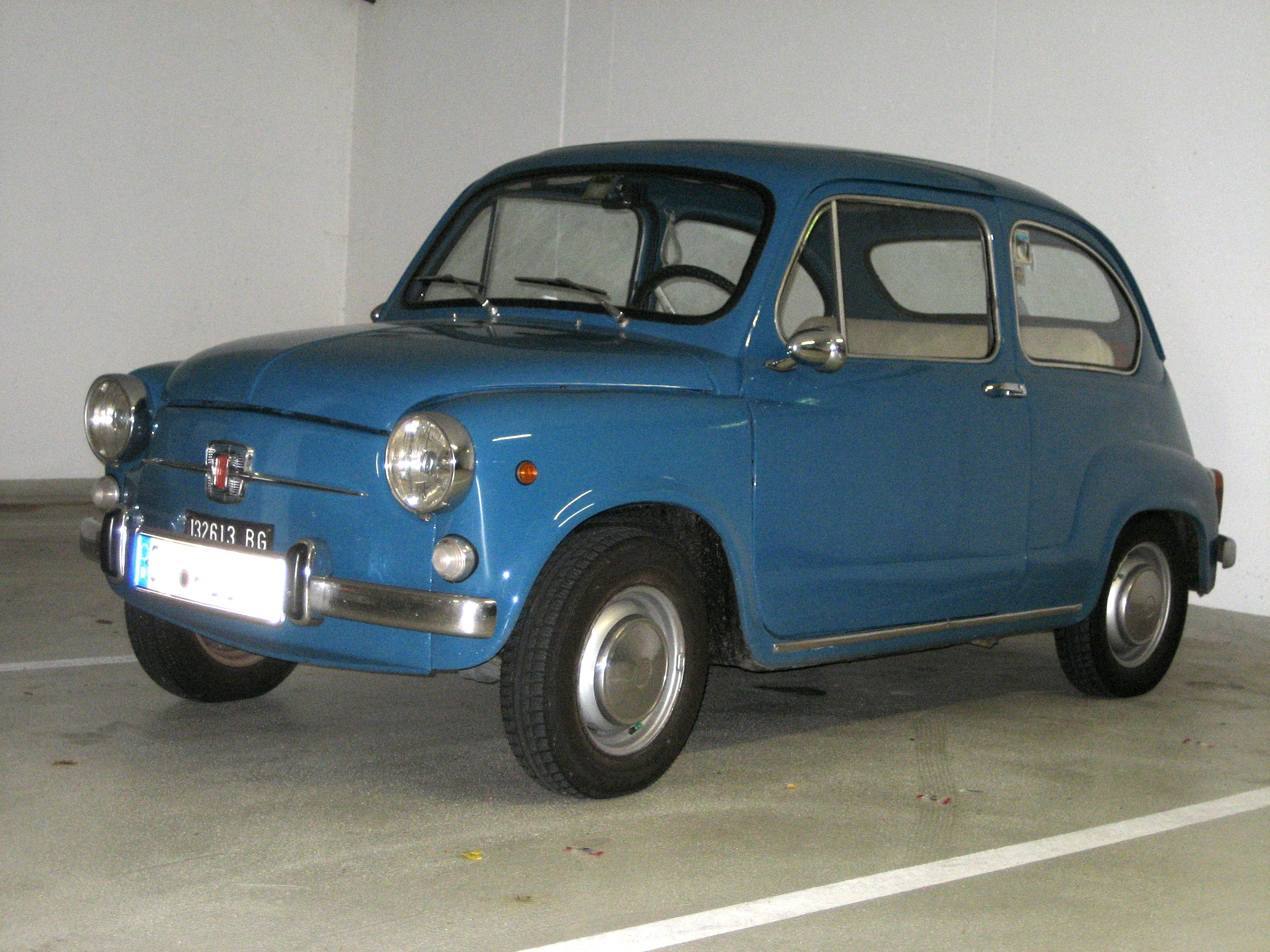
The hole in question becomes even deeper when we consider the origin of some Soviet vehicle designs. I’ll grant you that the famous Zhiguli is a boxy design, but then remember what the Zhiguli actually was: a license-built Italian Fiat 124. Similarly, the ZAZ 965 was modelled after the Fiat 600. And then consider some American cars, like the Zeta. Or perhaps this Tatra as an example of a beautiful Eastern bloc car. I hope you see what I’m getting at. Beauty and ugliness are a personal perception and neither is exclusive to any country or region, or geopolitical bloc.
Now, I could talk to you all day about planes of the Cold War period (could I ever…), but that is where the difference in aesthetics seems to become even more subjective. When you look at airliners such as the Il-62, or the Tu-124, it becomes difficult to pinpoint any defining trait of these planes as Soviet planes. I mean, I can do it, because I know them, but could a random person on the street just tell you: hey, this plane is Russian and it’s ugly?
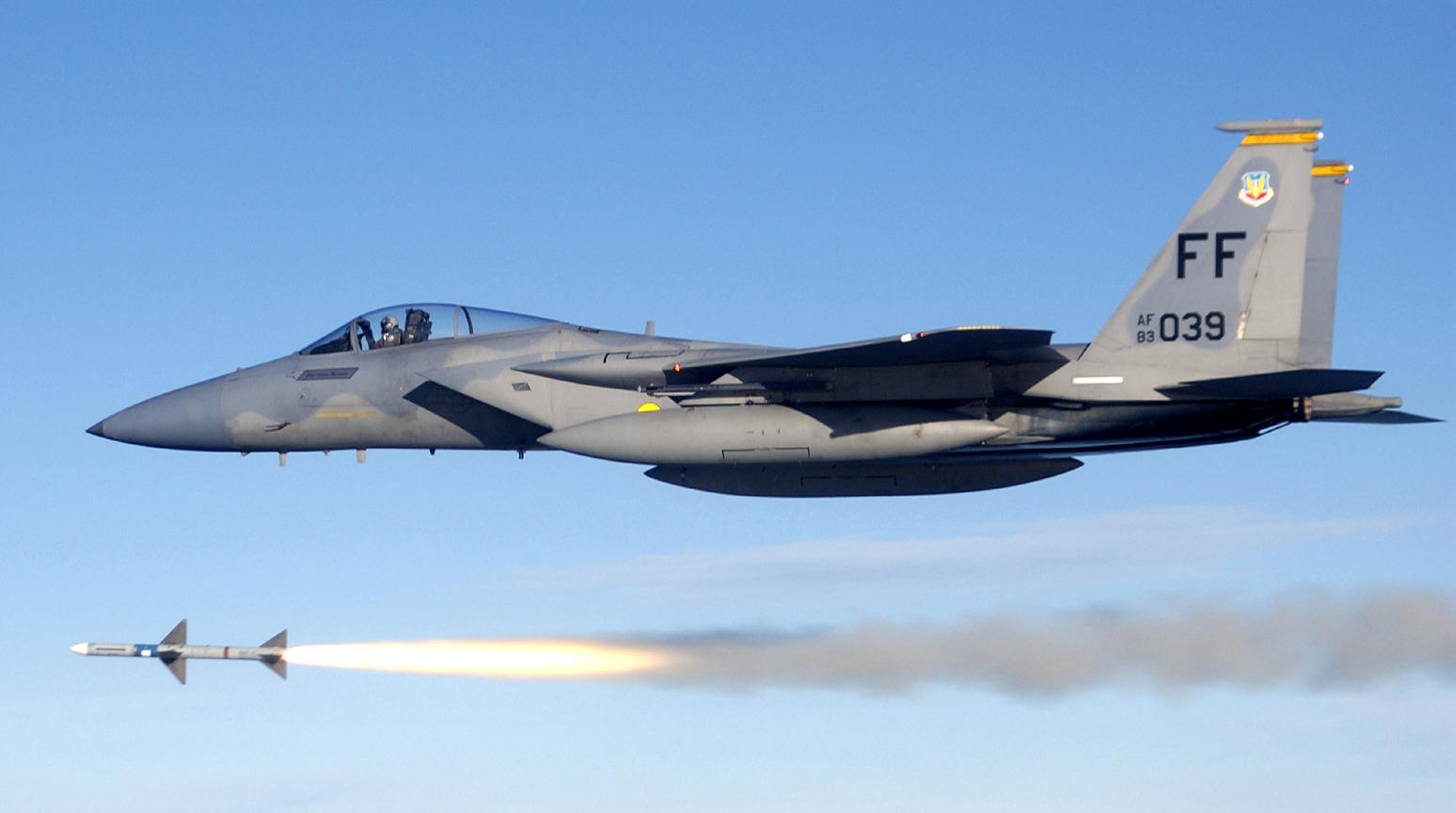
The differences certainly become more substantial with military aircraft, but would you readily say that the MiG-15 is uglier than the F-86? Or that the Su-27 is uglier than the F-15C? In fact, aviation geeks widely consider the Soviet MiG-29 and Su-27 to be among the most beautiful fighter aircraft ever built.
Now to be clear, you are absolutely free to think that the F-15C is more aesthetically pleasing than the Su-27UB. But your question was about some overarching design characteristics which would make Soviet vehicles uglier than Western vehicles. And in my opinion, those characteristics don’t exist and never have.
All this having been said, I don’t think you’re completely wrong in your assessment. The problem with the Eastern bloc was that there was less commercial need for vehicles such as private cars. The Fiat 126p in Poland or the Trabant in East Germany became ubiquitous as “the cars of the people” and since they were made as cheaply and simply as possible, not much effort went into their aesthetics (though again remember, the Fiat 126p is an Italian car in essence) nor into the manufacturing quality. Thus, their designs imprinted themselves on the overall perception of the automotive industry of the countries in question.