dear historians, I wanted to know is there any depiction of Achaemenids Armor and defensive gear and what I truly looking for, is a solid accurate depiction of their armor with enough historical evidence to back it up and for that, I only found this guy's works: http://xerxestack.com/persians
but I don't know how accurate it is. soooooo can you tell me?
Those guys are doing a good job of trying to pull one or two different styles together out of a wide array of sources, but there are definitely critiques to be made. You've motivated me to start reading a new book (the newest actually) on Achaemenid military history, so this is going to be a bit of a deep dive taking into account new considerations in scholarship that they may not have seen when taking these pictures.
A big problem with any discussion of Achaemenid warfare in general is trying to parse something realistic out of our sources.
Herodotus is the most detailed source, but comes with a lot of problems. His famous Catalog of Nations (Hdt 7.61-100) tries to link every piece of clothing and equipment to a particular subject culture, but this was almost certainly not the case. In his actual accounts of battles and combat, most of those subject people vanish and different equipment is ascribed to different contingents in different battles, but Herodotus only ever refers to each group as "Persians" or "Medes" or "Kissians" and so on. Other Classical sources, especially Xenophon, provide more written accounts of Persian armies on the ground that add different information still, which opens up a question of how much was caused by change over time and how much is simply different information. All of it is up for debate about reliability.
There are also other written sources from within the Persian Empire, especially in Babylonia, that describe conscription practices and equipment given to soldiers, which don't change much between the Neo-Babylonian and Achaemenid regimes. These haven't received their due attention by many historians and are only just starting to be included in the conversation about Achaemenid militaria.
On top of that there is artwork. This has traditionally been the most important source for trying to understand what equipment actually looked like, but it too comes with problems. For one, it's not consistent from place to place. Achaemenid art and Greek art have some over lap and also elements associated with Persian troops that don't appear in the other location. Each was produced for a different purpose and a different audience, so neither is necessarily entirely accurate to reality and both are biased. One area that is being explored more and more is artwork from the rest of the empire between Greece and Persia, especially tomb art from Anatolia, but once again that comes with the biases of its audience.
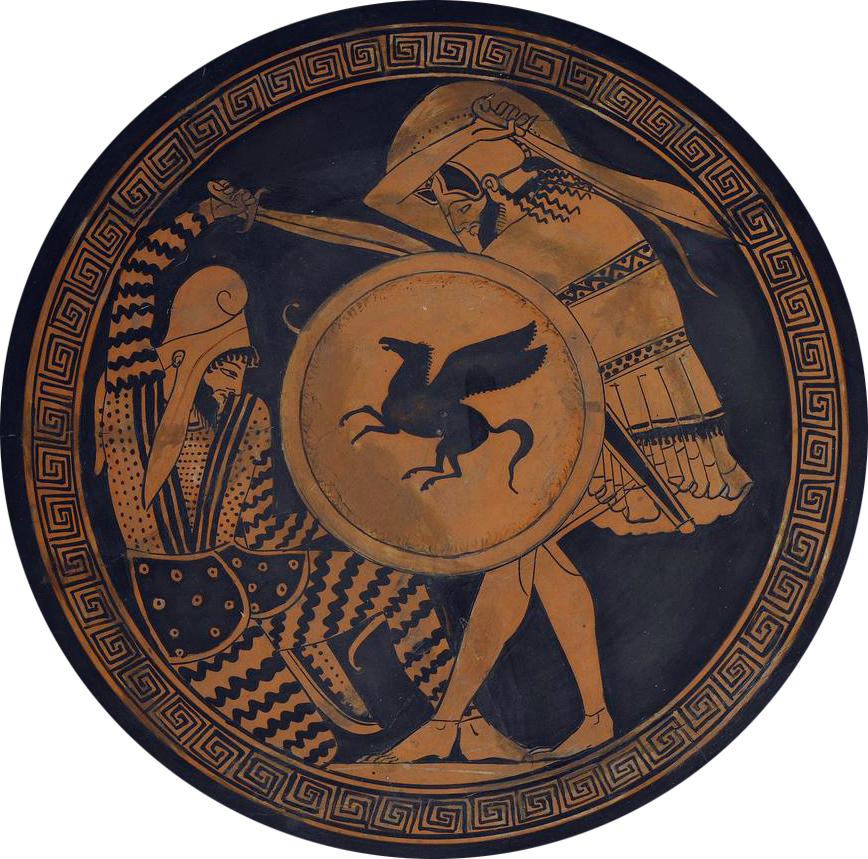
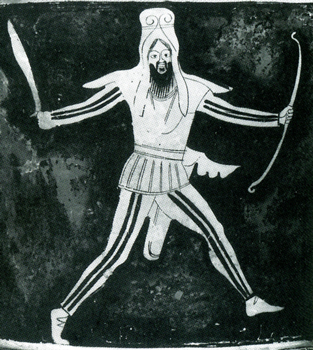
So what does this actually tell us? It seems they didn't wear very much defensive equipment to speak of. At 9.62, Herodotus attributes a Persian defeat to a complete lack of armor. Part of this may be due to a sudden Greek charge, but there is a lot of artwork and Babylonian documentation to support this idea. In some art we have unambiguously fabric-clad Persians like: this Greek amphora, this Mede and Scythian from Persepolis, or the Alexander Sarcophagus (bonus color restoration). Babylonian documents list lots of weapons and a few references to shields for troops conscripted by the Achaemenids, but references to armor and helmets are rare. Even words that once referred to metal helmets and body armor (karballatu and shir'am respectively) came to refer to linen garments for the same parts of the body that wore out regularly.
Yet, there is also evidence for armor in the same sources. Right at the outset of his Catalog of Nations, Herodotus describes the Persians as dressed in iron scales, and at 9.22 describes the armor of one cavalry commander as practically impenetrable. In the catalog he also describes Assyrians as wearing armor and bronze helmets, referring broadly to Mesopotamians who were both conscripted regularly and greatly influenced Persian militarism. Babylonian temples were major land owners and centers of small scale industry, at least one - the Ebebbar of Shamash in Sippur - ran an armor and weapons workshop. These temples were also required to provide levies of troops and the Ebebbar recorded providing armament to its troops.
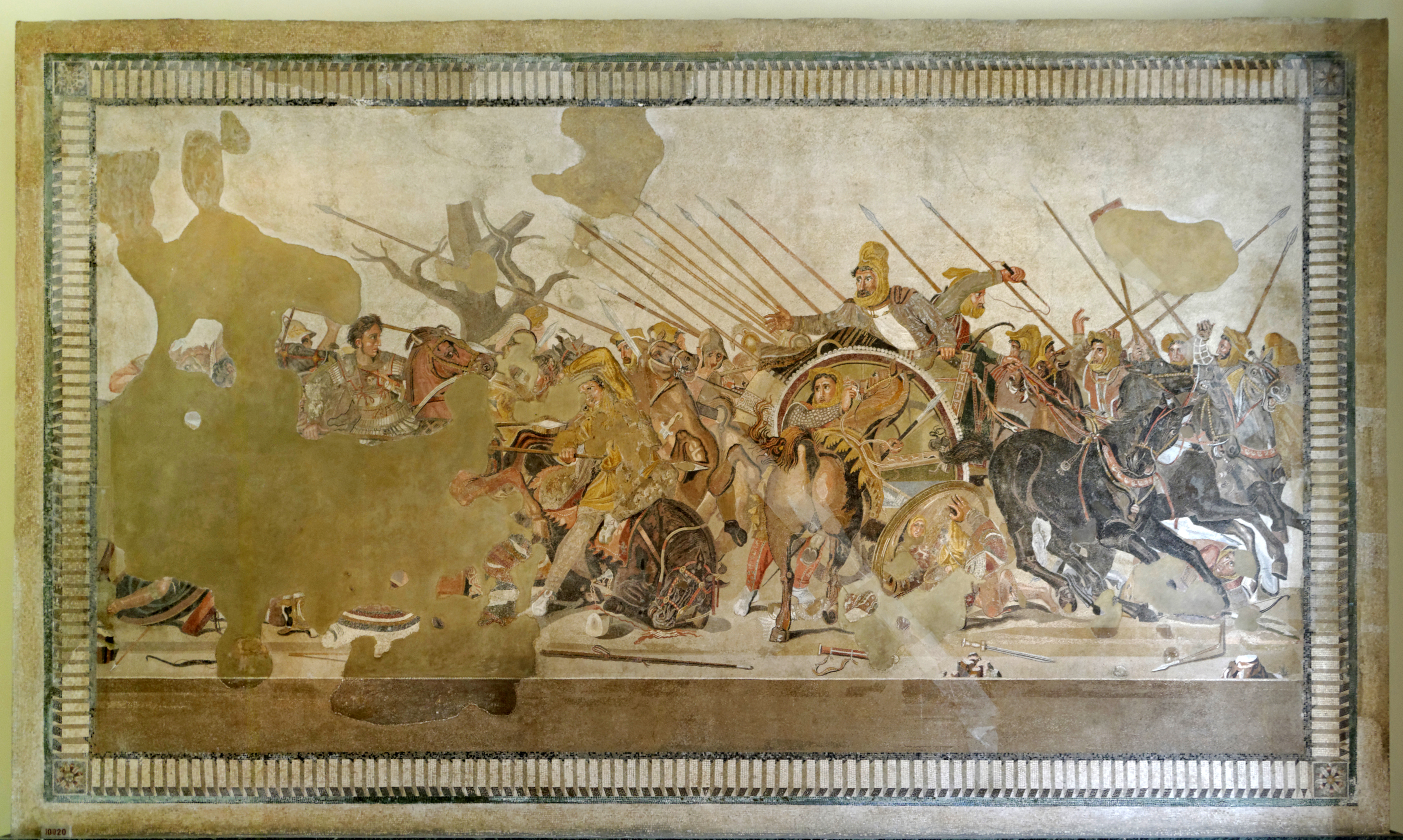
Likewise, there is artwork to support it like this vase or this one that clearly show Persians in some sort of mail. There are also kind of ambiguous ones like this vase and Persians in linothorax like this vase, possibly this cylinder seal, the Altıkulaç Sarcophagus, and some of the soldiers in the background of the Alexander mosaic.
Based on Babylonian documents, it seems that some equipment was supplied by either the soldiers themselves or the estate responsible for providing a group of soldiers (like the Ebebbar temple). This could explain the discrepancy. Well off Persian troops, like Masistius the cavalry commander or those who happened to be associated with a weapons manufacturer, could be better supplied than some of their comrades who wore very little into battle, especially in the early phase of the empire.
Even in light of that, helmets seem to have gone out of use in the Achaemenid military almost entirely. You'll notice in in all of that artwork the Persians are never depicted wearing helmets of any sort. One possibility I have seen suggested is that either a mail hood or close fitted iron cap was covered by the linen or felt caps and hoods depicted in some of that artwork, but there is not much supporting that. We know they did wear helmets, or at least the people Herodotus described as "Assyrians" did. We even have one that was dedicated as a votive offering at Olympia. They just weren't common.
In the last century of the Achaemenid empire, mail armor became more and more common for the cavalry in Greek depictions and descriptions. Mailled leg coverings and hoods appeared in art for the first time, seemingly demonstrating the first steps toward heavy cavalry as it would develop in the Hellenistic and Parthian periods. Unfortunately I'm working from print sources now so I don't have good links to show what I'm describing.



.jpg)