Tl;dr: living in the 'Danelaw' region/ under the rule of new Danish settled elites alone would not have determined significant differences, though we cannot ignore their varied cultural influences in the settled area. Southern part of Northumbria, including York, also fell in their ruling hand.
I wrote some relevant answers before in:
As I cited passages from the Encyclopedia of ASE and explained in the second thread above, 'Danelaw' did never constitute a single political entry in Late Anglo-Saxon England after its reconquest by a series of rulers of Wessex. Even under the rule of newly settled 'Danish' elites, the old local population was not largely replace and probably lived side by side with the new settlers in many places. A few thousands of Scandinavian settlers (that the majority of scholars now estimate the scale of their immigration: see the first thread above) would have hardly been enough to populate the total area of famous 'Danelaw'.
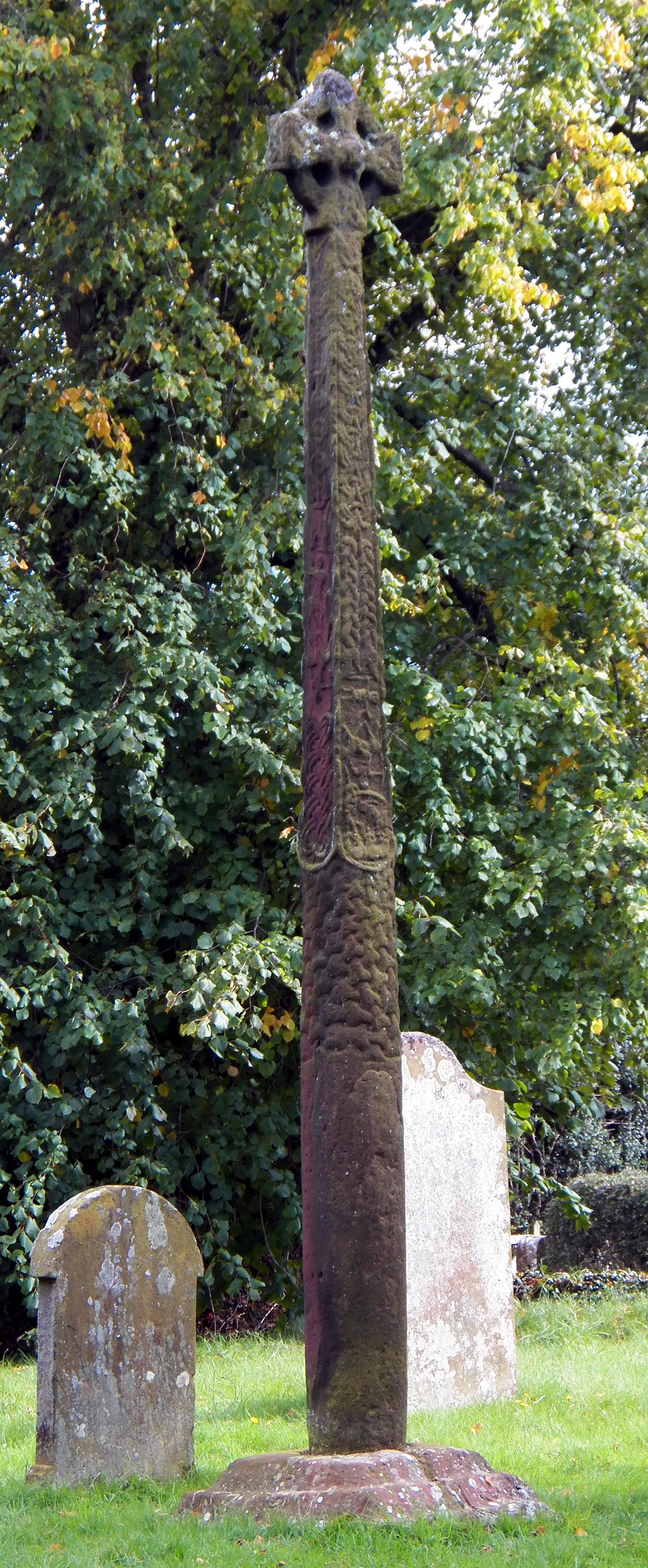
While the extant evidence is not so abundant, it also suggests that the church organization and Christian way of life could go on without serious disturbance at least in some places of the region, though new settlers left a few important cultural traces on Christianity of north-eastern England, such as carved images of human (?) on the famous Gosforth cross that are usually identified with famous deities and their episodes of Old Norse mythology.
As [Hadley 2002] explains (and also made a notice in the OP of the second cited thread), the legal-cultural framework of 'Danelaw' was primarily employed by the kind of England who resided in southern England to describe rather vague north-south cultural (legal) division within Late Anglo-Saxon England, and while the settlement and the lordship of the Danes was certainly not negligible, it was not solely the absolute determining factor to make a difference. We should also take pre-existing cultural differences in consideration.
Add. Reference: