Then, as now, the most desirable spots were the front-row seats!
Here's the thing. You said "a Greek or Roman Amphitheater."
Are theaters and amphitheaters in the same family? Yes. No one's arguing that.
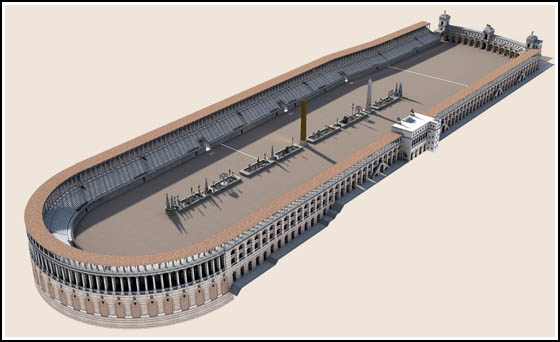
An amphitheater is Roman. While amphitheaters, theaters, and circuses could be used interchangeably in a pinch, they each had a primary function. A circus was for chariot racing, so it was built in a long oval with a barrier in the middle. This barrier could be removed if you wanted to, e.g., stage a mock battle, as Suetonius reports Caesar doing at the Circus Maximus. A theater was for performances, like pantomimes and musicians. They needed good acoustics; think of the semi-circular theaters that the Greeks often built into hillsides. These sometimes get called "amphitheaters" today, but they simply aren't amphi, "on both sides."
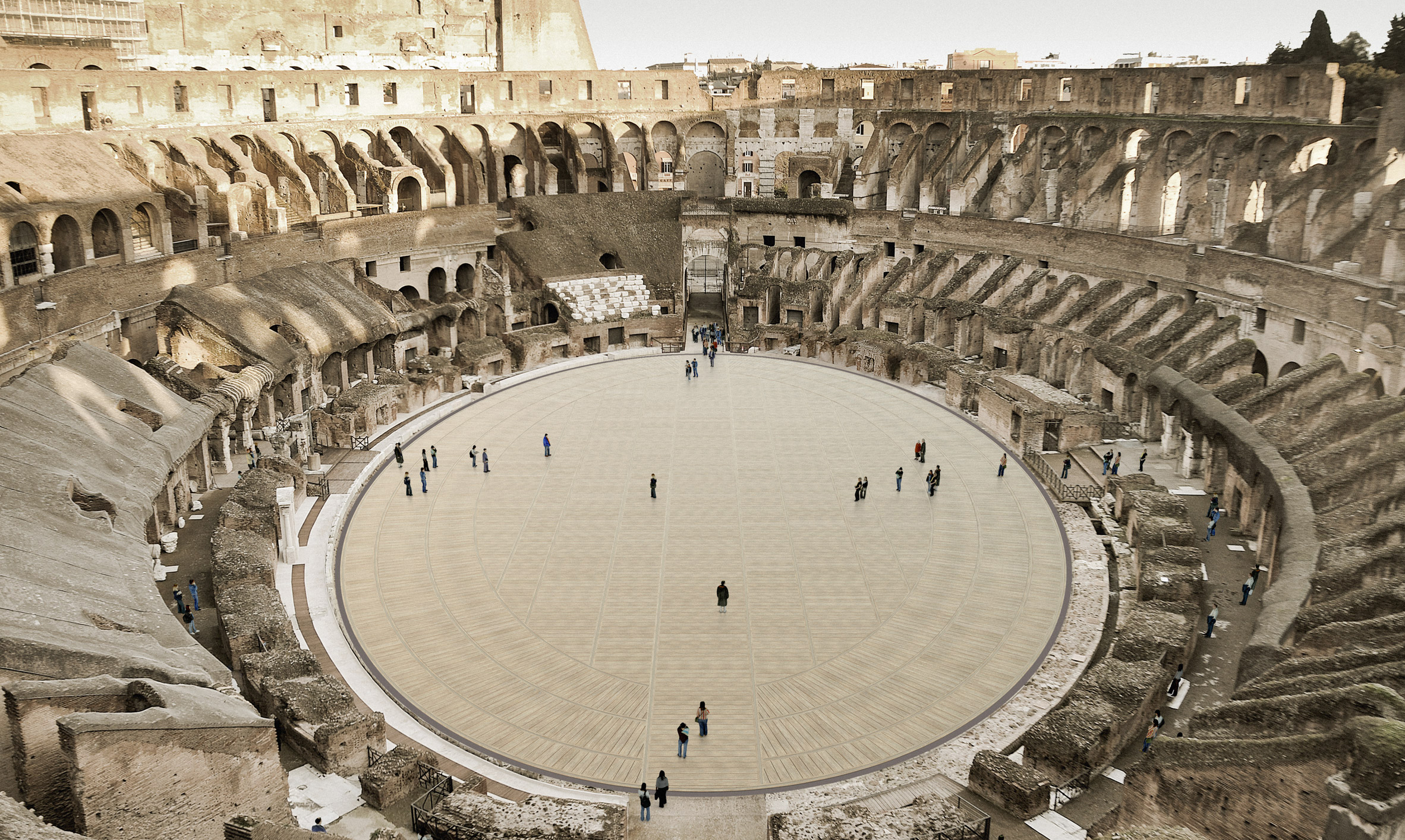
Amphitheaters were for the munera-- roughly speaking, gladiator shows, though the gladiators would typically be preceded by a hunt in the morning and executions at midday. Compared to the circus and the theater, the amphitheater was a latecomer to the Roman world. As Late Republican politicians found more excuses to burnish their reputations by hosting munera, amphitheaters began to emerge in Campania. The amphitheater at Pompeii was one of the earliest ones, around 70 BCE, and the inscription on it specifies that "The quinquennial duumvirs of the colony... gave reserved seating to the colonists in perpetuity." Not the Pompeiians. The colonists, Romans settled in Pompeii when Pompeii sided against Rome in the Social Wars. We can see that amphitheater seating was politicized from day one.
Before day one, really, because gladiatorial combat preceded the construction of amphitheaters by centuries, and assigned seating had always been a big deal. Gladiatorial combat had begun as a funerary rite, so the first combats were likely held in cemeteries. They later moved to the Forum Boarium, and then to the Forum Romanum. Pseudasconius tells us of a man who sold a house in the forum-- all of the house except one column, "where he and his descendants could view the gladiatorial combats." Cicero reports a bronze statue being constructed for a fallen war hero, "and around that statue there be a space of five feet on all sides reserved for gladiatorial games for his children and descendants, because he has met death in service for the Republic". There were lots of spectators, and good standing room was hard to get. Reserved spots were an honor fit for a war hero.
Livy pins 194 BCE as the first time seating was formally separated by class. "At the Ludi Romani the senate for the first time looked on segregated from the common people... This was a novel and arrogant caprice, never desired nor practiced by the senate of any other people." Arrogant or not, the practice continued. Seating was further formalized under Augustus, per Suetonius: "At every public performance, wherever held, the front row of stalls must be reserved for senators... other rules of his included the separation of soldiers from civilians, the assignment of special seats to married commoners, to boys not yet come of age, and close by, to their tutors... Also, whereas men and women had hitherto always sat together, Augustus confined women to the back rows even at gladiatorial shows." Aside from the senators, the fourteen front rows were reserved for the next class down, the equestrians. The front row at the amphitheater had protective fencing or netting to prevent leopards from deciding they'd rather fight an unarmed senator than an armed huntsman.
So, senators in the front, then equestrians, women in the back, with special areas for various classes: it absolutely mattered where you sat in the amphitheater.