In most media the 40’s are depicted as being much closer in emotions to the Civil War, and I’m wondering if that extended to American tankers.
Sherman is depicted in the South as a baby-killing, Attila the Hun type figure hellbent on destruction. Did any tankers take an issue with the name of their tank?
Not really, for the basic reason that during WWII, American tankers, from both North and South of the Mason/Dixon line, did not normally call it "Sherman", the name's popularity in the US is mainly a post-war affair.
In the US, if you look up field reports or interviews of the time, you will normally see the tank referred to by the nomenclature "M4" or the description "Medium". There was no need for most of the war to define "Medium" as "M4" or "Sherman" as it was the only medium tank in use once the M3 went away after North Africa.
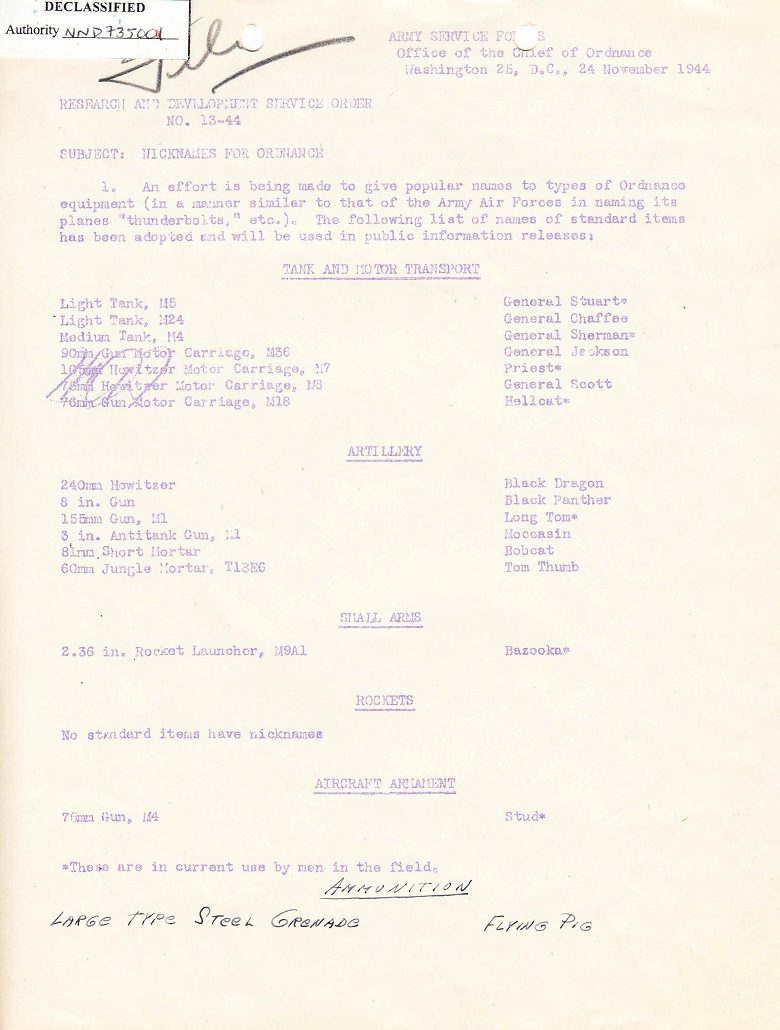
The name was assigned by the British, which had a preference for 'names' for their tanks, not least because their official nomenclature system was all but incomprehensible. It would not be until November 1944 that "General Sherman" became officially sanctioned by Ordnance Branch, for use in press releases and the like, by which point most crewmen probably didn't care what Ordnance Branch felt the vehicles should be called. You'll see the same level of "don't care" for "General Jackson (M36 GMC)", "General Scott (M8 HMC)" or "Mocassin" (3" Anti-Tank Gun M5).
However, the order assigning names does put a little asterisk next to "General Sherman" (And a few others) saying "the names are already in use in the field." Hellcat and Bazooka were names which were domestically created, the former by Buick's PR team, the latter by troops on the ground who thought it looked like the musical instrument, but "Priest", "Stuart" and "Sherman" were names inherited from the British. The Army had earlier issued a policy saying that when naming aircraft, if the British had already given the thing a name, the name should match what the British had already called it, in order to reduce confusion. For example, the US called the F4F the "Wildcat", but the British called it the "Martlet". But later you'll see the US assign "Mustang" or "Hudson" to aircraft because those were the names that the British had already assigned the things. The assigning by Ordnance of these "British" names to the American equipment would fit in with this logical course of action, as well as reducing confusion amongst any troops who may happen to come across a British soldier or newspaper and be familiar with the association of "Sherman" with the M4 Medium.
So, by the late war, at least, an American soldier may well think "M4" when he heard someone say "Sherman", much as I think "boot" when someone says "trunk". I may not use it myself, but I know what you're talking about when you say it.
The name came into much more common use after the war, however, even amongst M4 crewmen.