It is a misconception that Columbus set out to prove the earth was spherical as this was this was common knowledge to educated westerners since the time of Aristotle. Did have any predictions about how long it would take him to reach Japan?
1 Answers 2016-09-11
Basically I am asking what subjects were typically taught, how students were taught etc in medieval universities.
1 Answers 2016-09-11
I'm trying to translate a passage that refers to a woman who falls and gets a foot caught in the bottom part of the dress she's wearing. The phrase is "un pied pris dans la basque de son habit et les cotillons renversés sur sa tête."
In contemporary usage, "basque" refers to the tails part of a coat, so "basque de son habit" would be "coattails". But we know that this is a woman riding through the countryside ca. 1770, so she is most likely wearing something related to a caraco or casaquin — a long, pleated garment with skirts underneath.
Maybe "the pleats of her dress" would be serviceable, but I want to figure out what she's actually wearing and what she actually catches her foot in. So: History/fashion buffs, can you help?
2 Answers 2016-09-11
When really young prepubescent children were crowned the king/queen of a country how did people react? How did normal people receive children being crowned monarchs, and how did the children handle the responsibility.
Did they ever fuck up diplomatic relations with other nations? Why did armies put up with following orders from small children?
How did they rule if they could barely understand the world around them? Did people take them seriously, did they ever through tantrums and start wars or have people executed?
1 Answers 2016-09-11
Hi all of /r/AskHistorians! I'm a history major currently working on a research paper of my choice. I decided to research and compile a record of medical experiments done on humans by the likes of Unit 731 and Joseph Mengele, and how, though unethical and wrong, those experiments and tests helped advance our medical knowledge and understanding. I know that the United States recruited many of those responsible and did so in order to gain access to their notes and knowledge, eventually carrying on their experiments doing things such as the Tuskegee syphilis experiments and the STD experiments done in Guatemala. Basically if anyone has any sources they could recommend even if it just has a snippet of information that I need I would be truly grateful! It is difficult finding the 'positive' side to these human experiments, keeping in mind I do not find these things acceptable, I do wish to find out how it has helped our understanding of medicine, wounds, surgery, and diseases. As a side note I have just started this and am checking here (and the library of course!) on sources as if there are not enough I will have to change topics unfortunately!
1 Answers 2016-09-11
I was talking to a 63 year old man who said that when he was in high school in South Chicago they had to swim naked in PE class in the school swimming pool. They could wear caps to cover their heads, but they were told they could not wear suits because the fabric would clog the filters. He said when swimsuits options came out with silk swimming trunks, they could wear those, since silk would not clog up the filters. Since PE classes were segregated by sex, he doesn't know if they same rules applied for girls at the time. It seems strange that boys would swim naked but girls would not, but that is why I am offering this question up to the sages here at r/askhistorians!
2 Answers 2016-09-11
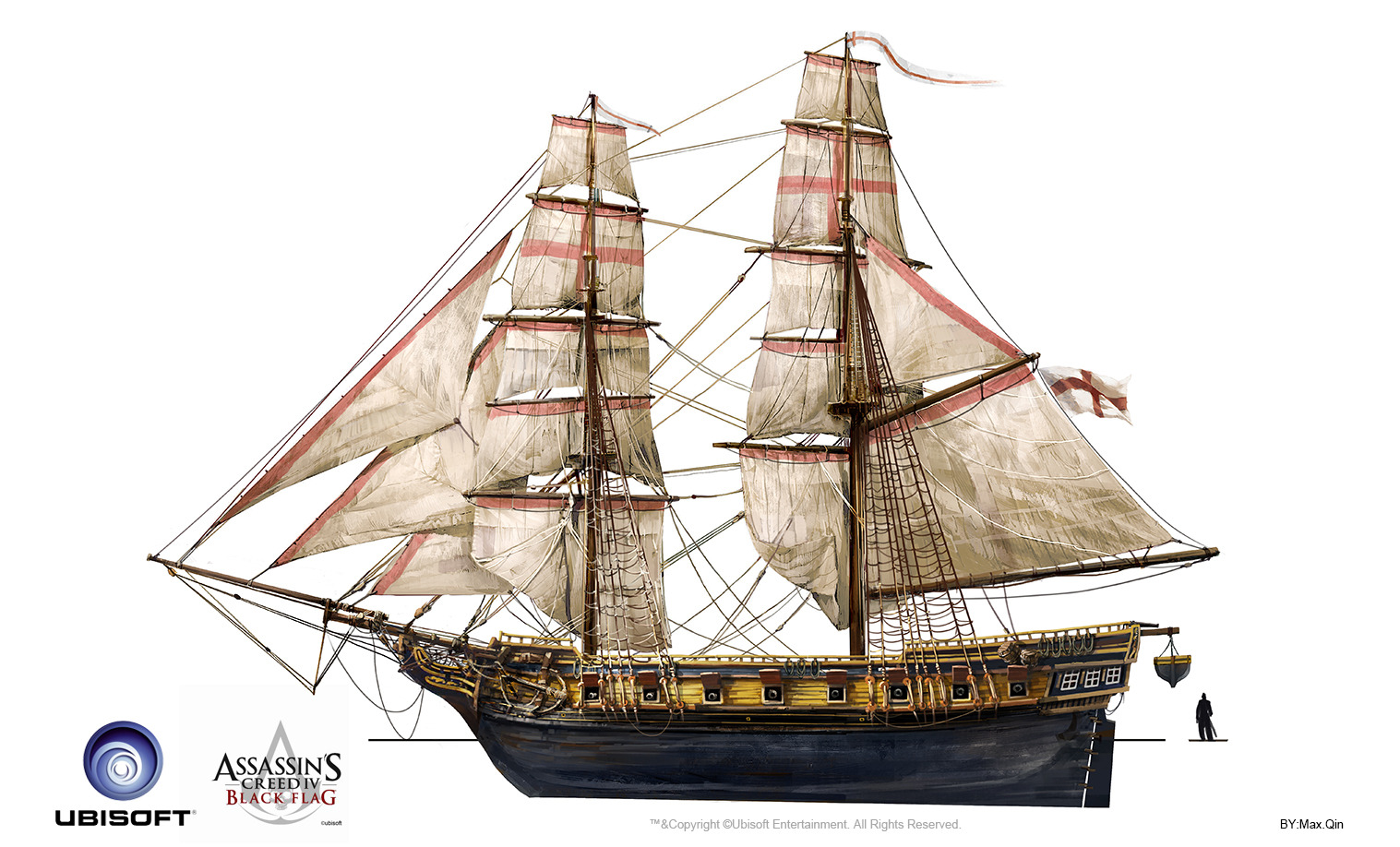
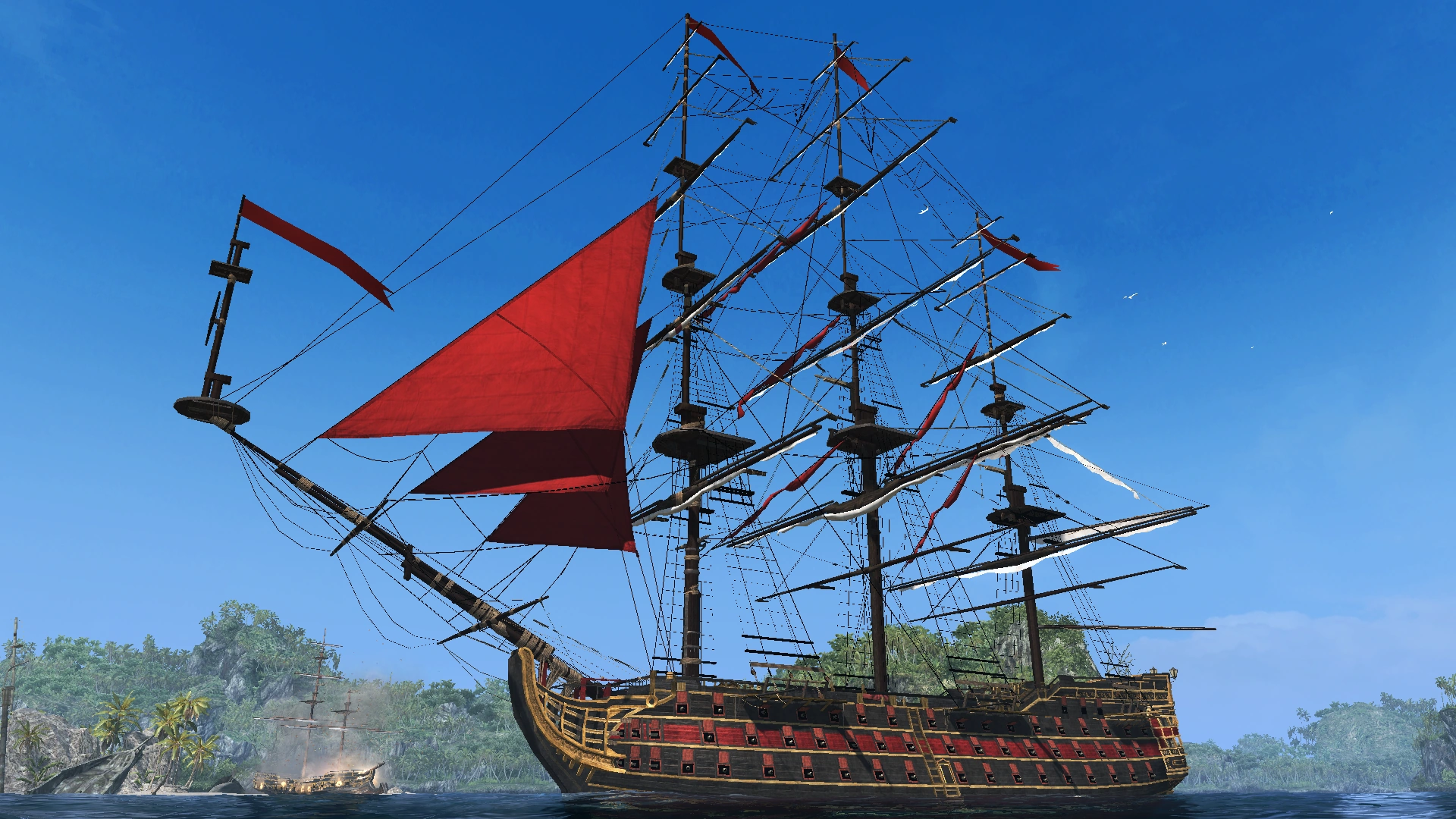
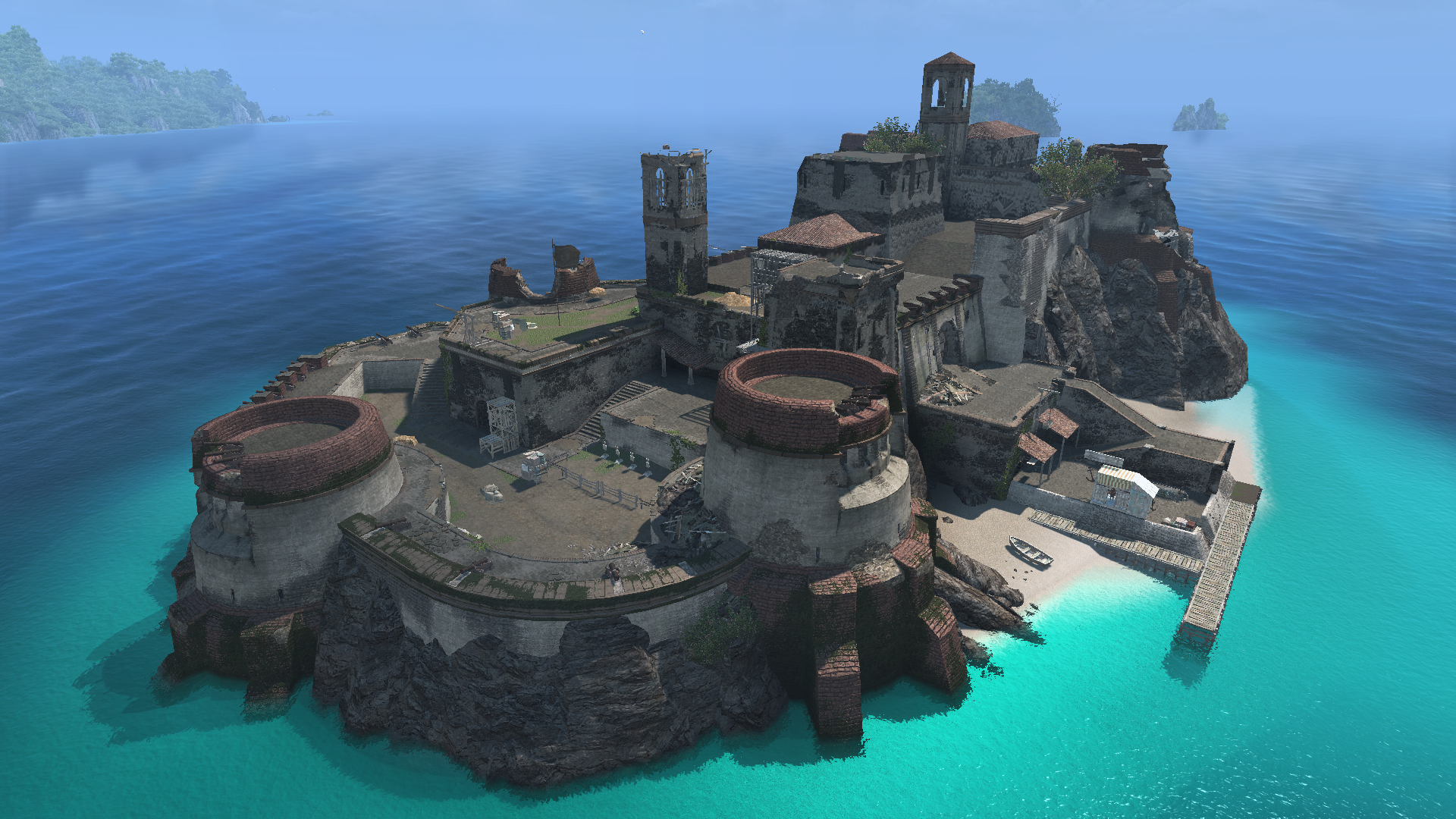
I'm very curious as to how accurate the outfits of the soldiers (or sailors I think, since the British, Spanish, and French navies are in the game) and the warships actually are, and if they share any resemblance to the 18th century West Indies between the years 1715 - 21 (when the game takes place) - Here are some images of them:
For some reason, there were images of Spanish ones in blue-white outfits, but they appeared yellow in the game, here's the Spanish in their blue-white outfits:
all enemies wore the same outfits both on land and at sea in-game.
Warships:
British brig and man o' war plus brig concept art but without the ram
Early (before game released) representations of Spanish ships
Privateer (also referred as "pirate hunters" schooner and brig
The Portuguese navy was present in the game (in one mission, they were involved off the coast of the Yucatan Peninsula). I couldn't find any images of any the Portuguese ships but this video of one of the game's main missions features Portuguese brigs, frigates, and man o' wars
1 Answers 2016-09-11
From a user not a dealer perspective, I mean both drugs really screw you up on the similar pathways.
1 Answers 2016-09-10
This question is in regards to a picture people are reposting on Facebook
I know there was a lot of black slave owners in Haiti, and that African tribes would sell other tribes into slavery. However, my question is essentially, how much truth is in the meme?
1 Answers 2016-09-10
And were there officers that were openly "not enthusiastic" about communism?
1 Answers 2016-09-10
Every evil madman in prison seems to have admirers (especially female) sending fan mail, gifts, proposing marriage, and even protesting for them. Did the Nazis in Nuremberg receive similar attention from crazy people in the public, not just from Germans, but from all over the world? This strange devotion to evil people on trial cannot be a modern phenomena.
1 Answers 2016-09-10
I think this is the fifth *@%#ing time I've posted this question (2 day intervals or longer of course between postings) and I've yet to get any answer, much less good, complete, or varied ones. If you have constructive advice as to how I might change the question to elicit an answer, please let me know (in a PM), but barring that, I'm going to just keep posting it until some of my curiosity is sated!
In reading history, one often finds reference to structures raised by people communally, by rulers, or by private individuals for various reasons. How in practice would this process look like? How much in terms of resources would projects of various scales take? I'm interested primarily in structures for human use rather than monuments or statues. I'm also somewhat interested in e.g. water and sewage projects, or dredging projects, but I still am most interested in buildings that people would walk around in.
Were building materials acquired on a lump basis, or were there regularly-operating quarries etc? I know early Egyptian monumental building could involve sponsored more-or-less-one-of expeditions to certain sources of valued stone, etc, but by the classical era how did that change?
What about workers/talent? Were people full time manual laboring builders? What about the skilled labor? Were they project-by-project with some other work between projects or people who did this full time? How far afield would people go to, say, acquire the services of a foreign architect of note, if such existed?
Would project sponsors need to provide for future upkeep of the structure? What happened when they fell into disuse or disrepair?
How much would be calculated out versus done by experience in terms of planning a viable construction project? How often did these projects result in an unsafe building that would later fail? Did the contemporaries understand the reasons for the failure of their buildings properly? What sorts of cares would be taken to construct with an eye to surviving water damage of various forms? Fire? Earthquake?
Please, tell me about the practice of getting things built in Classical Mediterranean (and classical India or "Asia" [meaning middle east] if that's your area!)
1 Answers 2016-09-10
For the sake of argument, let's say the bulk of the damage is shrapnel damage to the abdomen.
1 Answers 2016-09-10
The future Charles V was a member of the House of Habsburg, so he obviously had extensive connections and influence within the empire even though grew up in the Low Countries before becoming King of Spain. But his background still seems a little odd to me for a Holy Roman Emperor. I wonder if the unusual aspects of his candidacy made Henry VIII of England and Francis I of France seem like more plausible candidates than they would have if, say, Charles V's cousin and eventual successor Ferdinand I had been the Habsburg candidate.
3 Answers 2016-09-10
I'm curious, I know that the Byzantine Empire is also referred to as the Eastern Roman Empire so I'm curious as to what type of names people had.
*EDIT* Forgot to include what time period I'm talking about in the title. I'm asking about what names they used in the 13th century.
3 Answers 2016-09-10
1 Answers 2016-09-10
The BBC series "The Last Kingdom" is set during the Danelaw, and does an okay job of historical accuracy. But, something one of the characters said left me curious as to whether the show was wrong or if I had misconceptions about Danish soil productivity. I can't recall which episode, but I know that Ragnar (the elder) said something along the lines ones of "Denmark is so sandy, you can't grow anything". I was under the impression that Danish soil was greatly fertile, especially the eastern part of the Jylland peninsula, and the isles of Lolland and Zealand. Today over 50% of Denmark's land is cultivated. Is this due to modern advances, or was "Ragnar" wrong?
Thank you.
1 Answers 2016-09-10
In the beginning of the movie the Last Samurai Tom Cruise uses a revolver as his primary weapon instead of a rifle? Would this be common in the 19th century in American history?
1 Answers 2016-09-10
I recently read that Germany's submarines had a larger effect and were closer to cutting off supplies during World War 1 than during WW2. That got me wondering about how close exactly they were during either war to forcing either capitulation or very serious disruptions in Britain's economy. I know getting enough oil was a big factor during WWI, were there any other commodities that faced similar bottlenecks?
The convoy system was of course very useful in protecting the most important shipping, was it implemented because they feared isolation as a realistic possibility?
1 Answers 2016-09-10
In films and texts, they talk about relations as if they understood one another instantly. How do two very different civilisations start learning how to understand one another?
2 Answers 2016-09-10
1 Answers 2016-09-10
I am teaching a 5th-6th grade class the book "The Door in the Wall," and I want to show them a movie after we finish the book. However, as far as I know there is not a movie based on this book. Can anyone recommend a movie set in Medieval Europe that is 1) reasonably historically accurate and 2) appropriate for 5th-6th grade students (no NSFW content). The book takes place in England during the reign of Edward III, but the movie doesn't have to be in that time period, as long as it gives the students a good feel for what life in the Medieval Period was like. Thanks.
4 Answers 2016-09-10
From a video on YouTube: https://youtu.be/npwM2touF08
Relevant part starts at 1:24
Did it really happened like that? What's the background? Why did the druids did that?
2 Answers 2016-09-10