I'm putting together a portfolio for a school project and wanted to use this piece of art to show the changing view of many Christians. I need to cite it but can not find the artist any help would be appreciated.
http://catholicherald.co.uk/content/uploads/2016/10/P23-Iconoclasm-800x500.jpg
(not sure how to post a picture on reddit sorry for the link)
So far I know its location (St. Martin's Cathedral) and the church's location (Achter de Dom 1, 3512 JN Utrecht, Netherlands). I need help finding the artist and date of composition. Thanks again!
1 Answers 2018-01-28
Eisenhower was promoted to Colonel on March 11, 1941. In less than two years he was a four star general, being promoted on February 11, 1943.
He was brought back down to Major General but became a five star general and Supreme Allied Commander on December 20, 1944 some 3.5 years after being promoted to Colonel.
That seems ridiculously fast...
https://en.wikipedia.org/wiki/Military_career_of_Dwight_D._Eisenhower
2 Answers 2018-01-28
E.g., why did Nazis make people run? The account makes it sound like a test of fitness to work in camps... but it could have just been sadism. Or how and why were there toddler-centric ghettos?
Everything about this paragraph is difficult to comprehend:
While I was in Auschwitz, I saw too many things. Some people couldn’t take it anymore and ran into the electrified fence to kill themselves. They just went up in flames. I saw people coming into Auschwitz from different places who were sent to take a shower and were killed. Then they took them to the crematorium. I met a boy who was watching the crematorium where he had seen his parents die. He was hoping they would come and bomb the place. He told me to come to that spot once a week and he’d throw me a package. Shoes or clothes. Maybe they were from people they killed in the gas chamber, I don’t know.
1 Answers 2018-01-28
2 Answers 2018-01-28
For the past few days there has been a heated debate, as Israeli PM is strongly opposing new polish bill that would outlaw referencing nazi death camps as polish. He claims it would be "an attempt to rewrite and falsify history". What does he mean? Is there any evidence? I'm aware of the fact, that there were polish citizens helping Jews and the fact that there were some that would handed them to gestapo. Did Poland had any role in running those death camps?
1 Answers 2018-01-28
Just a humble high school history student here so forgive me if I'm asking an obvious question, but why is the American involvement in Vietnam considered so terrible? I can see that America might have committed a number of war crimes, but North Vietnam seemed pretty brutal so if America had just been more disciplined would the war still be seen as so awful?
1 Answers 2018-01-28
As I understand, gunpowder was invented/discovered in China, before being transported west to Europe, where it was employed in warfare quickly, leading to cannon and hand guns and all the rest. Why did these innovations not take place in Asia? I understand that some Asian cultures had, sorts of hand guns and small cannon, but during the Sengoku Jidai, Japan was importing Portuguese cannon and matchlock rifles. In general it appears that most Asian cultures developed gunpowder weapons more slowly than their European counterparts, despite being closer to it's birthplace (China). Why?
1 Answers 2018-01-28
1 Answers 2018-01-28
Hello, It has always struck me how many casualties were involved in the Napoleonic Wars, and how important incremental technological improvements were in warfare at the time.
My query is, how would an Army from the early French Revolutionary War in 1792 fare against an army at the battle of Waterloo in 1815 ?
Which were the most significant technological breakthroughs that were made during this period of time, that were destined to give an army the edge in battle ?
Thank you,
1 Answers 2018-01-28
I teach World History to high school seniors (12th grade, ages 17-18). The other history teachers at my school are all coaches, and well, they're better coaches than they are teachers. So when my students come to me, they are accustomed to leaving a history class without learning anything, and without caring about history at all. I do my best to change this mindset but the beginning of the school year is the most is the most difficult time for that. So for this upcoming school year, I would like to assign a historical fiction book to my students to immediately engage them in my class. I wanted to ask this question here because I haven't read many historical fiction novels, and before I spend lots of time reading and researching the content of these books before giving them to my students in August, I was hoping to have verification of the book's attempt at accuracy.
I am looking for books that cover anything before the year 1500 (CE) and that are appropriate for high school students. Even though about half of my students are old enough to smoke on their way to the voting booth, my district still has rules about the kind of content that can be assigned to students. However, if there is a book that is just an excellent example of a specific culture or event, I can have parents sign a waiver -- I just can't have that apply to every book I assign.
I would also like the books I assign to cover a broad range of cultures and time periods. I don't want to have 12 books for my students to choose from if 6 of them are about Rome.
Additionally, it would be great if the books were all standalone novels -- mostly because if its really good and a series then I'm going to have to finish it before I can move on to the next book!
If you all could make any suggestions, I would greatly appreciate it! Thank you so much for reading this!
38 Answers 2018-01-28
1 Answers 2018-01-28
1 Answers 2018-01-28
So Italy and Dalmatia were ruled by the Ostrogoths while Hispania and Narbonesis were ruled by the Visigoths, generally speaking there's a negative connotation regarding the Goths as being the ones that ended the Western Roman Empire but how were they as rulers?
There's only so much I can read about other than Theoderic, Theoderic strikes me as not that bad of a dude, he did outlaw intermarriage between the Goths and the Romans however he did emphasize racial harmony and ruled Italy in its most prosperous period since Valentinian in an effort to restore the glory of Rome.
But what about the other rulers? How did the people view the Gothic kings in general?
1 Answers 2018-01-28
2 Answers 2018-01-28
1 Answers 2018-01-28
1 Answers 2018-01-28
My Zayda (grandfather shortened) was a Jewish American army soldier who joined the war on the June 7th, Normandy. He went on with his battalion to liberate a concentration camp. I’ve tried Ancestry.com, Fold3.com, and am at a loss. Not in family records. Where is my best bet at this information, or is it classified? Thank you for your help!
1 Answers 2018-01-28
Today:
Welcome to this week's instalment of /r/AskHistorians' Sunday Digest (formerly the Day of Reflection). Nobody can read all the questions and answers that are posted here, so in this thread we invite you to share anything you'd like to highlight from the last week - an interesting discussion, an informative answer, an insightful question that was overlooked, or anything else.
7 Answers 2018-01-28
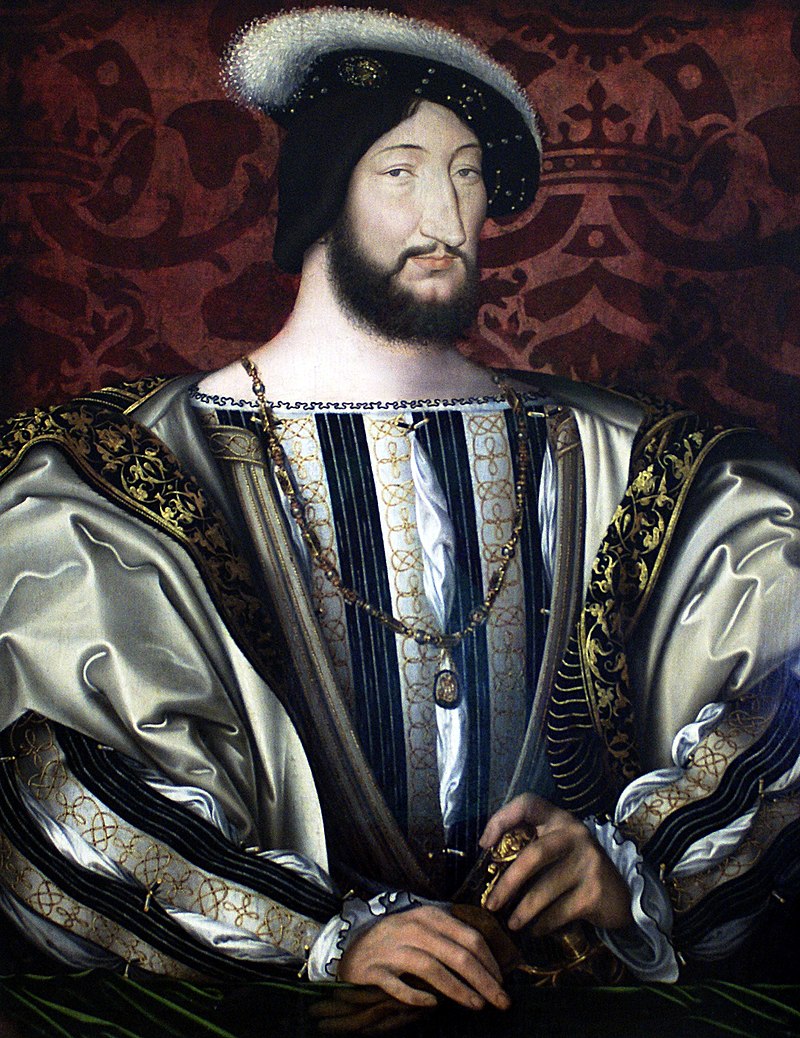
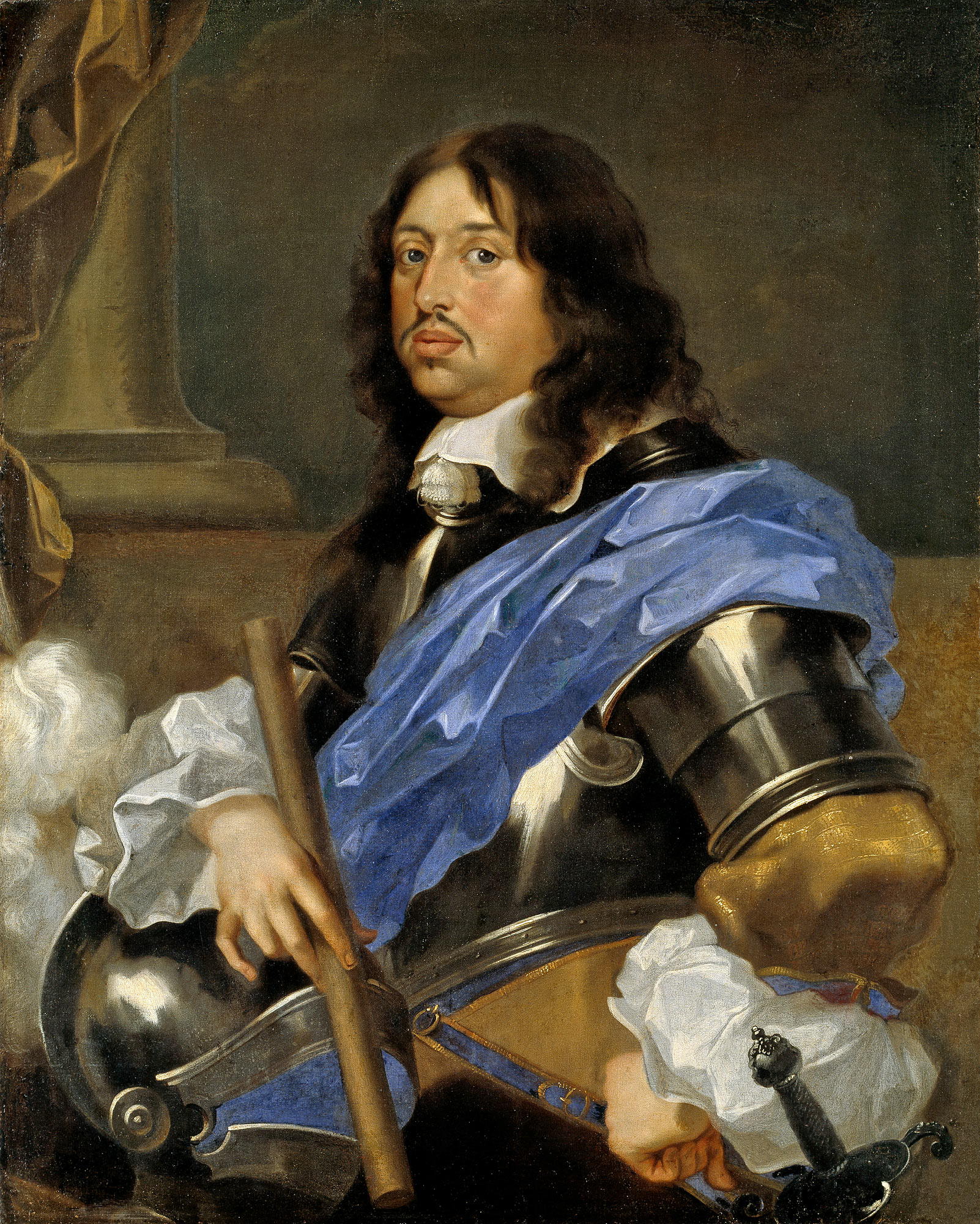
I've been looking at some portraits of kings from the 15th century and beyond, and noticed that almost none are wearing crowns. From 15th century England to 16th century France to 17th century Sweden to 18th century Germany, nobody seems to wear crowns, instead preferring hats or wigs and the like. The only exceptions i can find to this are drawings of long-dead medieval kings the artis never saw.
With the crown being the quintessential symbol of power and authority, why isn't it depicted more often?Were crowns really worn so rarely, or was it an artistic choice?
1 Answers 2018-01-28
i was reding this reddit thread and they suggested that most crashes were caused by pilots being distrated by animals or other things and crashing into each other, is this true?
1 Answers 2018-01-28
3 Answers 2018-01-28
1 Answers 2018-01-28
1 Answers 2018-01-28
The Japanese should have known better when training pilots, considering they saw and knew what experienced and well-trained pilots could do, especially early on during the Pacific theater. Was it mainly due to the growing power-gap between Japanese and U.S. aircraft during WWII?
1 Answers 2018-01-28