[deleted]
1 Answers 2016-04-03
1 Answers 2016-04-03
[deleted]
1 Answers 2016-04-03
Or, is Transnistria an entity that is separated from the USSR?
1 Answers 2016-04-03
1 Answers 2016-04-03
Why were these ones so widespread while others were unique to individual cultures?
1 Answers 2016-04-03
1 Answers 2016-04-03
I'm aware that most educated Romans knew Greek, but didn't this substantially hamper government work? It seems to add a huge obstacle, especially when coordinating with the presumably Latinate military.
1 Answers 2016-04-03
I am trying to know more about the personal lives of the 8 Justices engaged in Plessy v. Ferguson (1896), and whether personal opinions (e.g. racism) might have affected their decision.
I did discover the following evidence of racism for 2 of the Justices:
Edward Douglass White, Jr. had joined two white supremacy organisations;
Justice John Marshall Harlan I had revealed his opposition to the Chinese directly in his dissent.
But what of the other 6?
1 Answers 2016-04-03
The relevant section: https://www.ushmm.org/wlc/en/article.php?ModuleId=10007069
After much debate, 24 defendants were chosen to represent a cross-section of Nazi diplomatic, economic, political, and military leadership.
Adolf Hitler, Heinrich Himmler, and Joseph Goebbels never stood trial, having committed suicide before the end of the war. The IMT decided not to try them posthumously so as not to create the impression that they might still be alive.
In fact, only 21 defendants appeared in court. German industrialist Gustav Krupp was included in the original indictment, but he was elderly and in failing health. It was decided in preliminary hearings to exclude him from the proceedings. Nazi party secretary Martin Bormann was tried and convicted in absentia. Robert Ley committed suicide on the eve of the trial.
1 Answers 2016-04-03
Recently read "The Astonishing Life of Octavian Nothing" and this topic came up several times.
I'm also curious to what extent getting sent to the Caribbean was a realistic punishment for a willful slave in colonial America.
I'd recommend the books, too, in case anybody is interested in the american revolution from the perspective of a fictional educated slave.
2 Answers 2016-04-03
2 Answers 2016-04-03
I realized a few days ago that I know next to nothing about the Bronze Age, especially in Europe. What is the current state of knowledge on the Bronze Age collapse and the identity of the Sea Peoples? Do we know for sure what caused Mycenaean Greece to collapse?
I don't expect huge, specific answers (although that would be great of course), I'd be fine with a reading list.
Thank you!
1 Answers 2016-04-03
I'm working on a big research project for school and I'm trying to find some primary sources to tie into this question. Thanks in advance!
2 Answers 2016-04-03
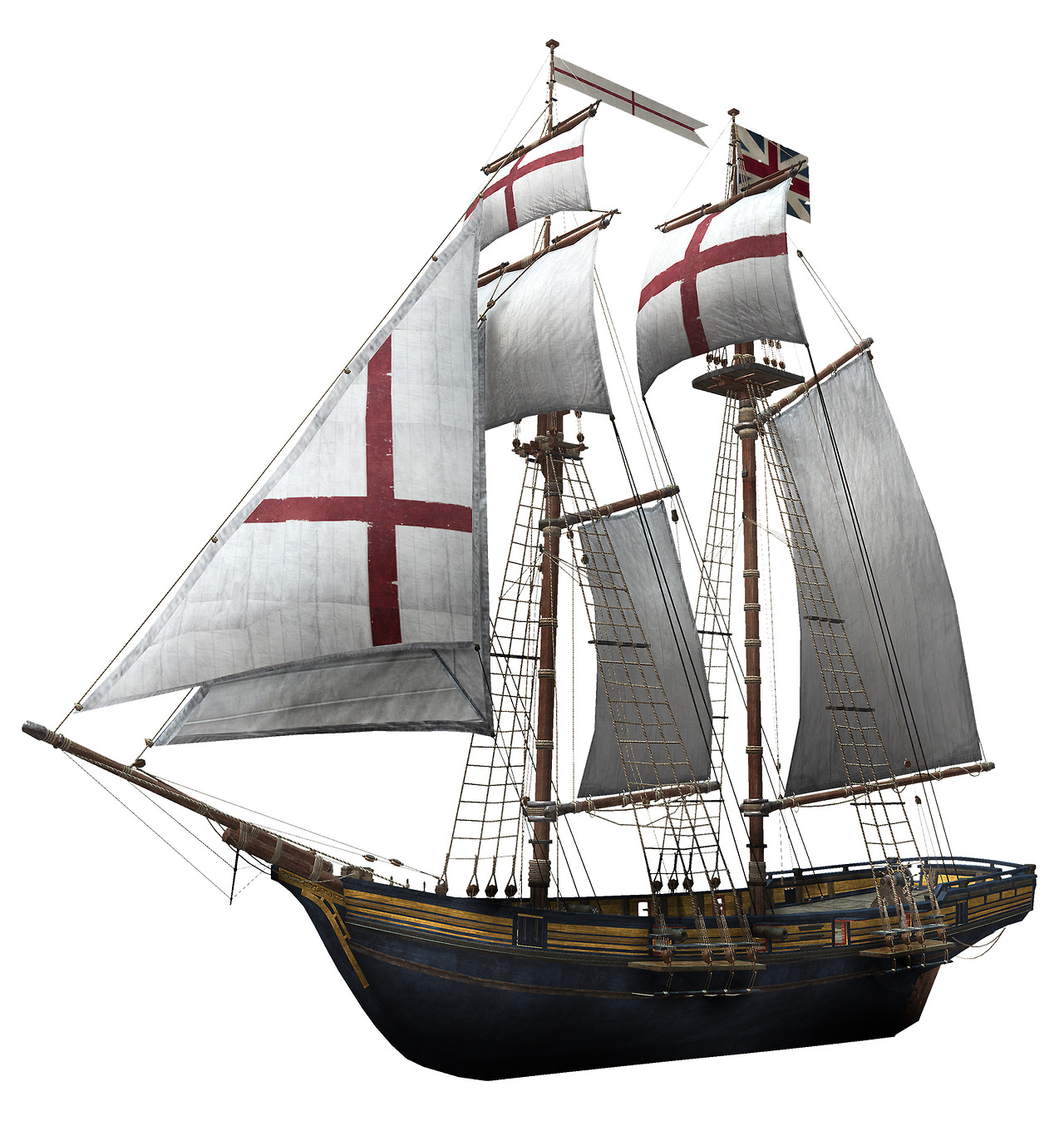
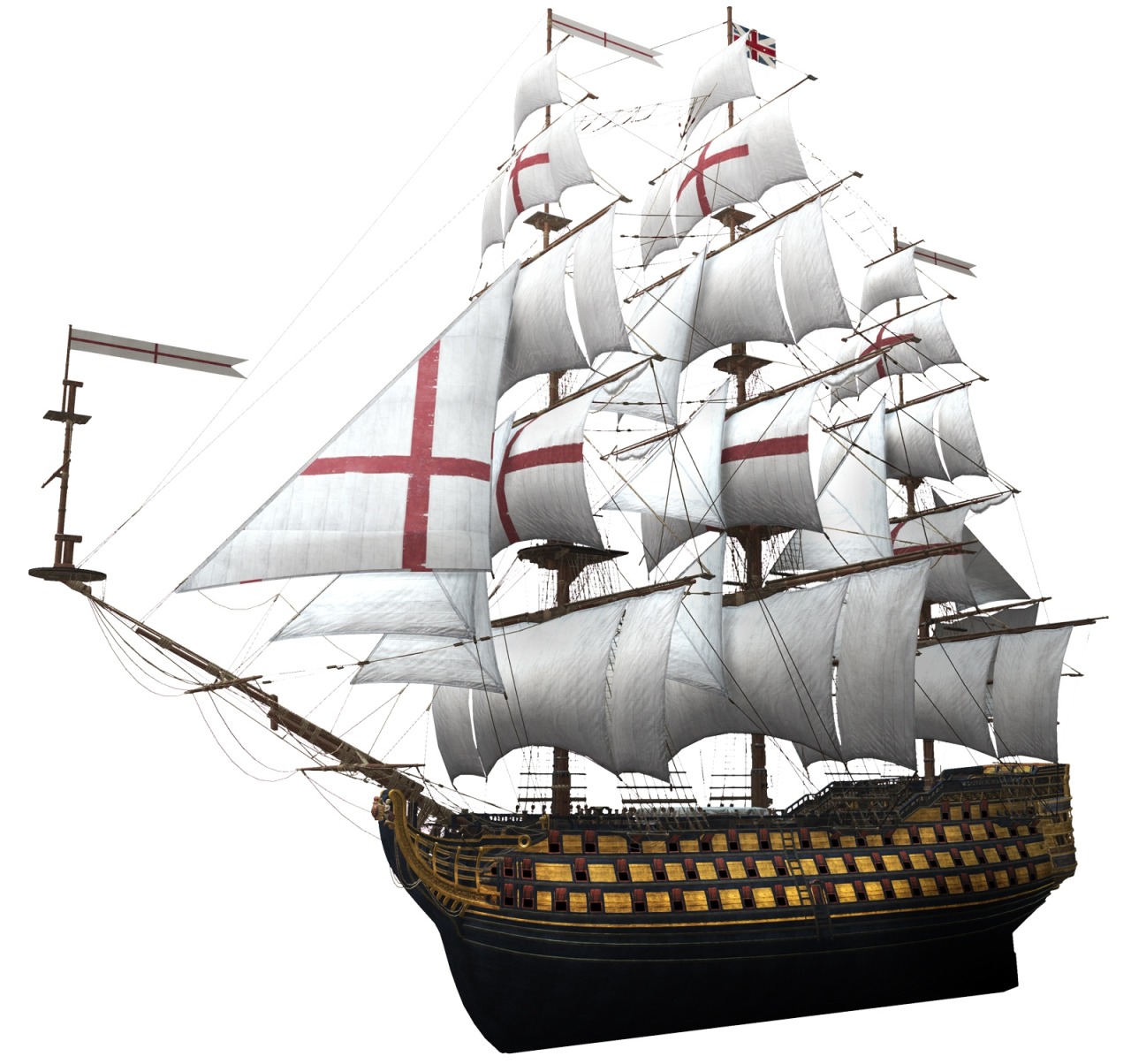
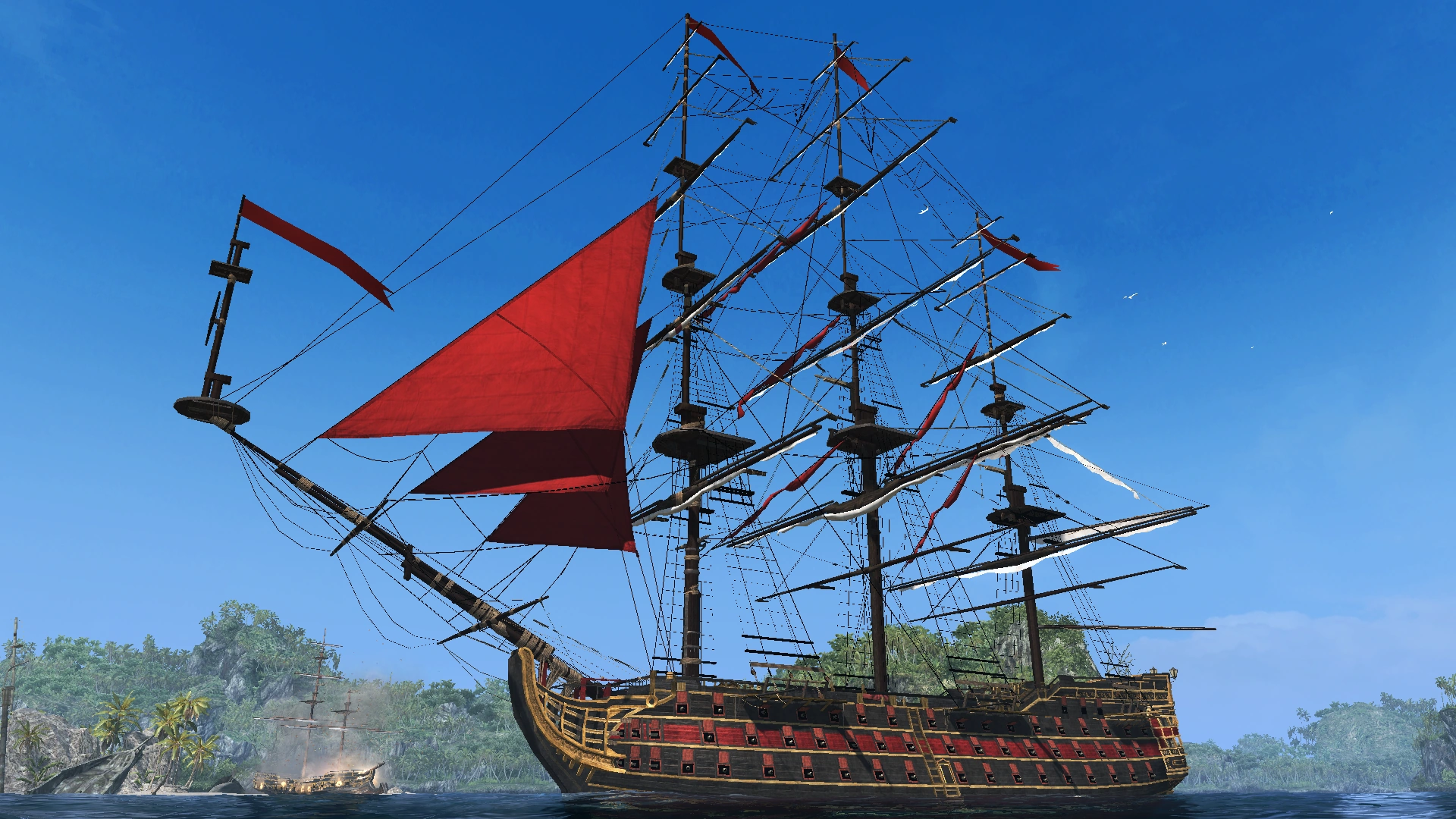
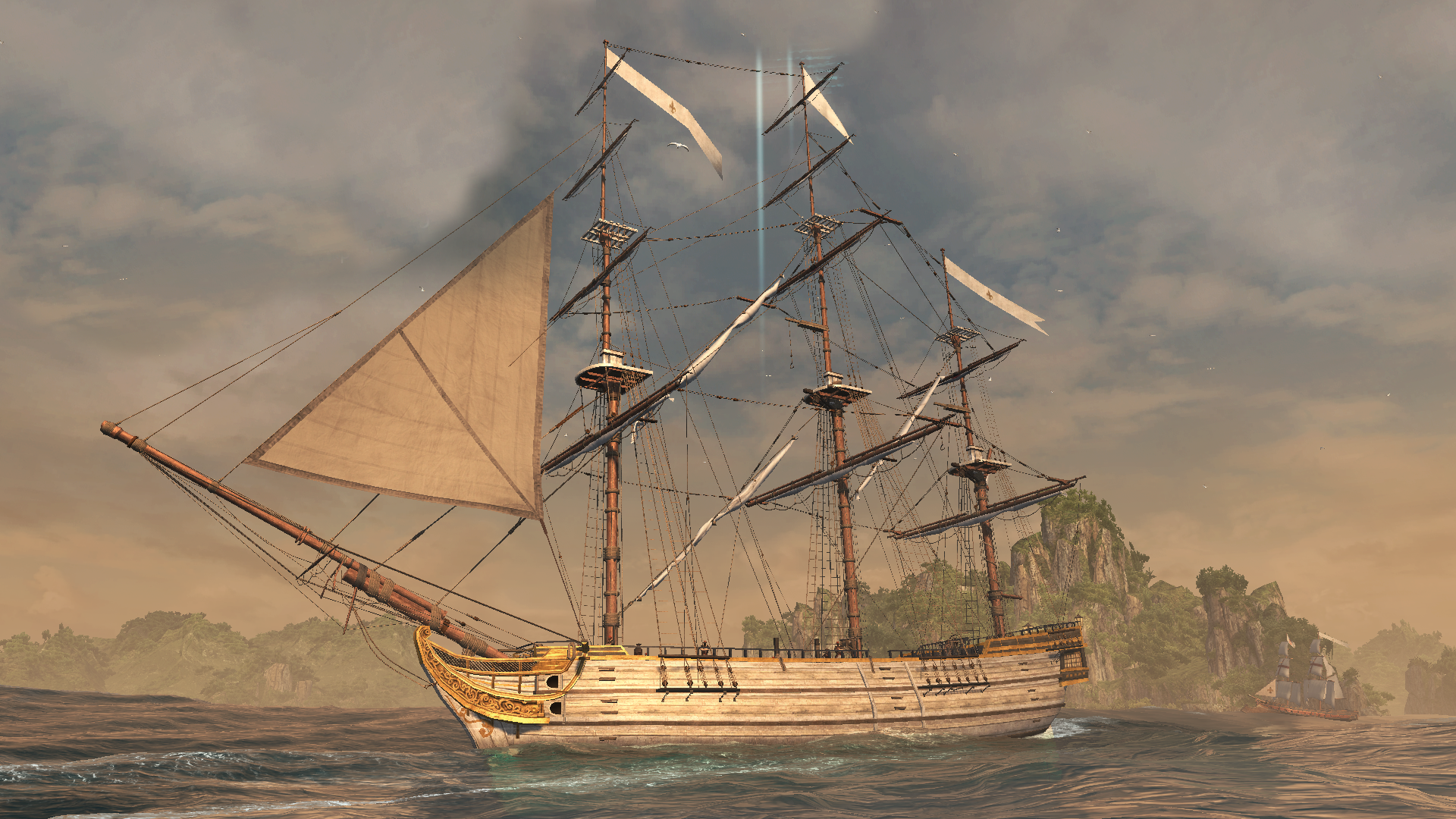
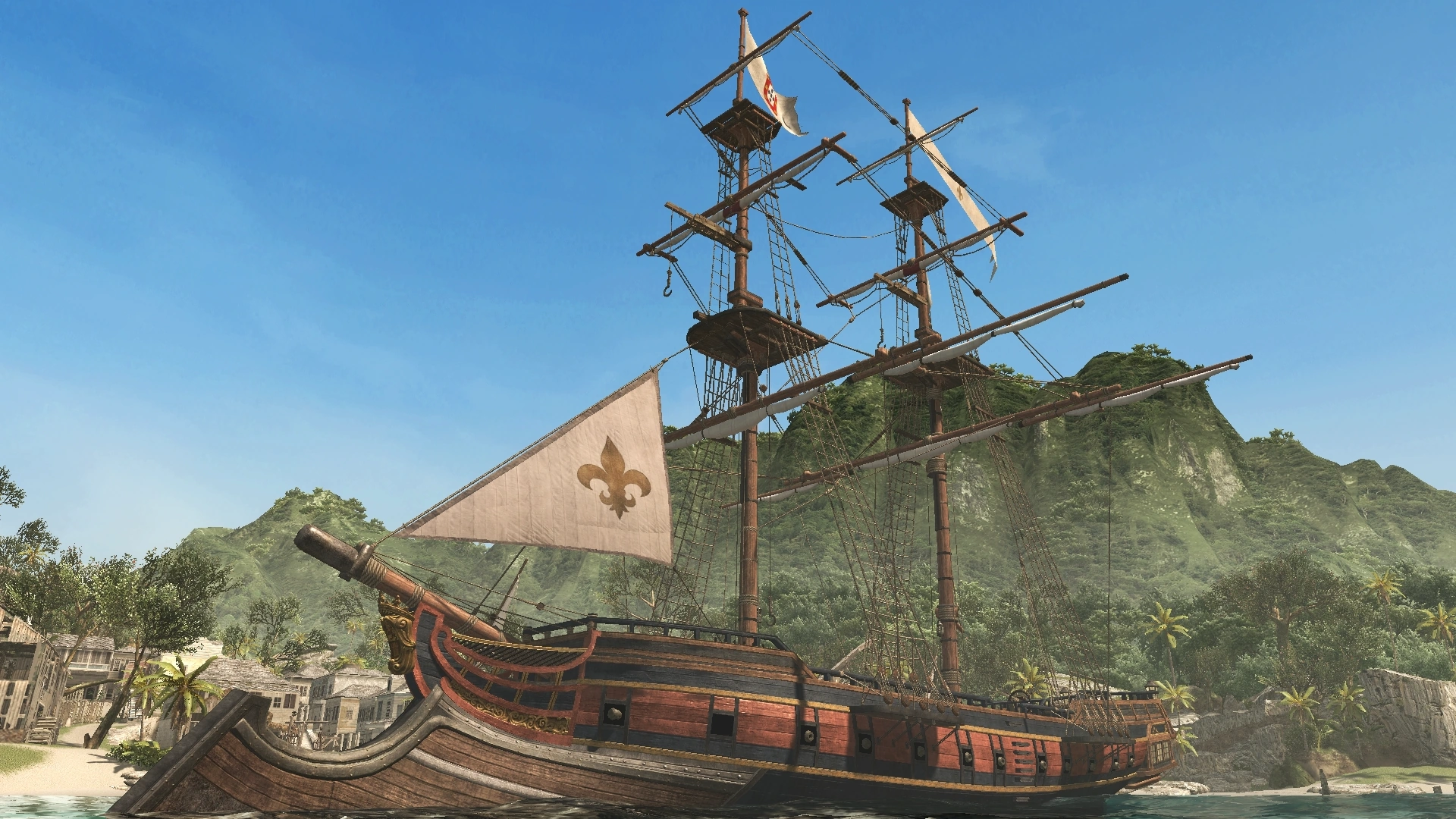
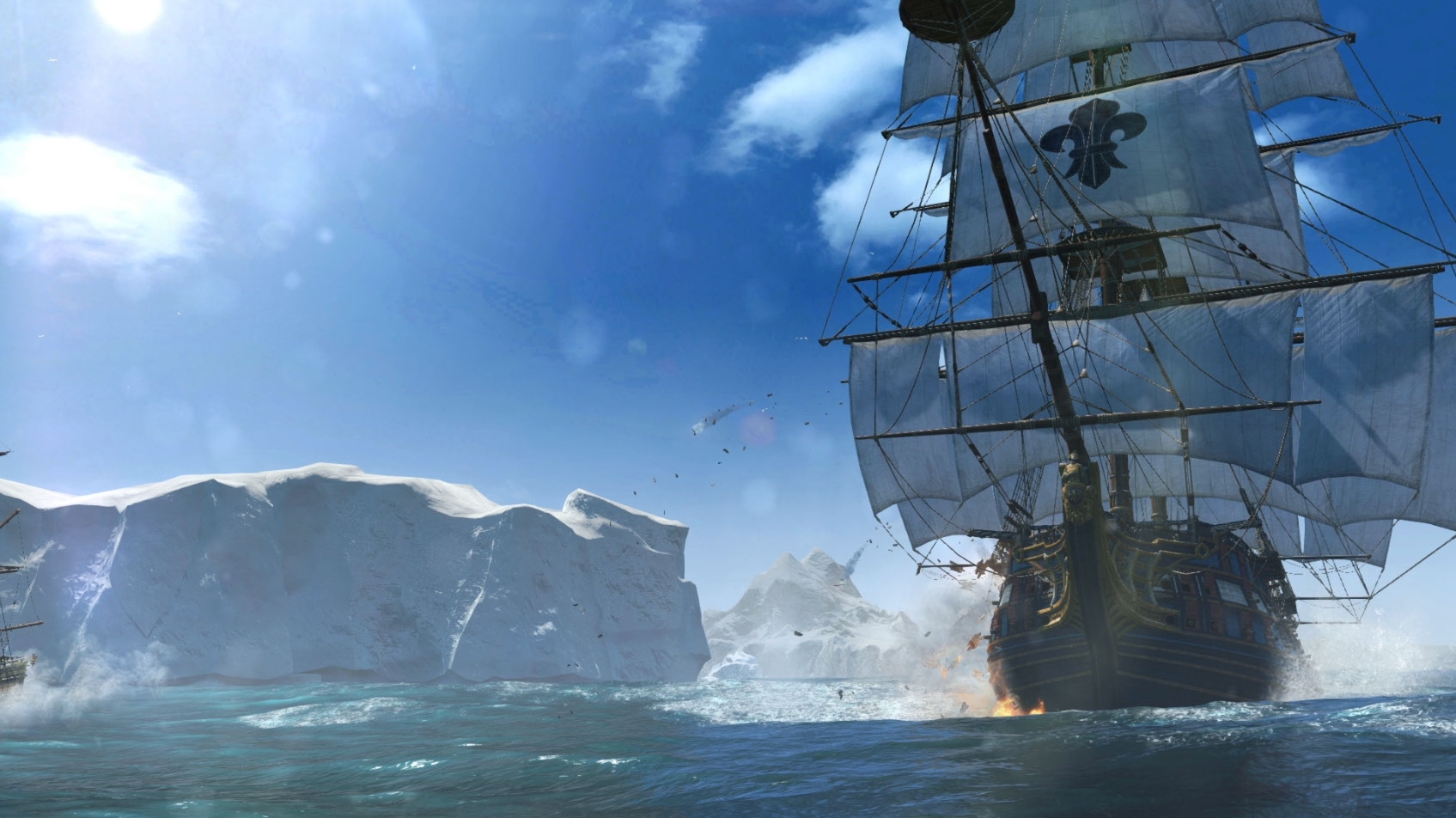
A few game titles have taken place in the 18th century with naval gameplay involved. Here are the game titles featuring what the some of the warships looked like according to them.
Assassin's Creed III (American Revolution)
La Belladonna, a French frigate disguised as a Spanish ship
Couldn't find any artwork of the Continental Navy's ships :(
Assassin's Creed IV (1715 - 21, set during Golden Age of Piracy)
Concept art of British brig, but with no ram
Concept art of Spanish man o' war
Spanish frigate on left, Schooner on far right
I couldn't find any concept art of any the games Portuguese ships (not even sure if the Portuguese had any naval presence in the Western Carribean IRL), but this video of one of the game's main missions features Portuguese brigs, frigates, and man o' wars
Assassin's Creed IV : Freedom Cry (1735, Port-au-Prince)
Assassin's Creed : Rogue (1754 - 60, French and Indian War)
Note: British ships in this game title looked exactly like the ones from IV
HMS Pembroke, James Cook's man o' war, against French fireships, man o' wars, and frigates
EDIT: here is a British jail ship from ACIII, and it was absolutely massive in the game
1 Answers 2016-04-02
I spent some time walking along 18th century British canals today, and at one point read that, via barges and canals, a single horse could transport as much as 40 to 60 tons. Obviously, this is a ridiculous amount for an equine-based system.
The question that semi-randomly came to me was, why did the Romans not have industrial scale canals? Certainly, they had the capability for vast quantities of labour, as evidenced by their roads, aqueducts, and other important infrastructure. But a little very cursory research tells me that the Romans largely used them for drainage rather than transport, and built only a fairly limited array of canals suitable for navigational use.
Why did the Romans not use canals more extensively? Did they not need them? Did they lack sufficient canal-digging manpower? Did they lack sufficient trade to justify the initial outlay? Did they simply not think of it? Or, perhaps, is there some other factor that I've misunderstood?
1 Answers 2016-04-02
1 Answers 2016-04-02
I've got a pretty specific example. In a book I have, Atlantic by Simon Winchester, there is an interesting note on the scuttling of the German fleet at Scapa Flow:
Many of the hulls remain - and high-quality German steel salvaged from some of the remaining wrecks is occasionally brought to the surface today, much prized for certain very delicate scientific experiments, since it was fashioned, forged, and cut long before the spread of radioactive contamination, which has affected most metals that have been made since Hiroshima. - Atlantic, page 256
What is this saying? That the spread of nuclear materials have contaminated historical artifacts?
1 Answers 2016-04-02
I really like Spears and am wondering why the Sword is so much more popular.
5 Answers 2016-04-02
In many sea shanties I've listened to, like this one, for example, I've heard references to flash girls. When I google this term, I either get tattoos or pornography. So what does it really mean in the context of this shanty?
1 Answers 2016-04-02
1 Answers 2016-04-02